

UK builders hit by biggest surge in cost inflation in nearly four years: PMI
It is the second-largest rise since 1997, when the data series began
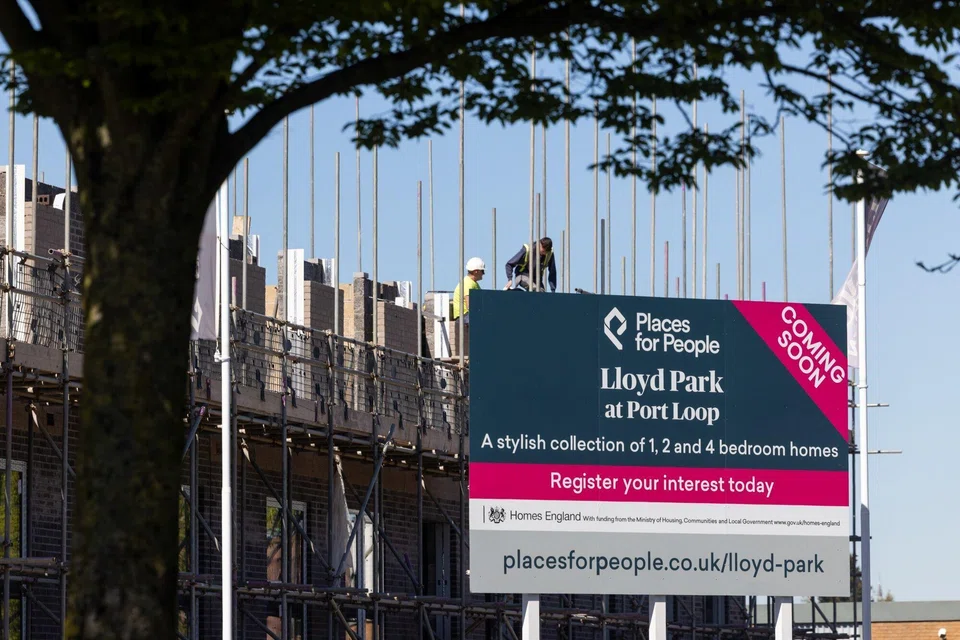
[LONDON] British builders experienced one of the biggest month-on-month jumps in cost inflation on record in April, a survey on Thursday (May 7) showed.
It also revealed that the Iran war increased delivery delays and other supply chain difficulties.
The measure of input cost inflation by the S&P Global UK Construction Purchasing Managers’ Index (PMI) rose to 81.4, its highest since June 2022.
The increase from 70.5 in March was the second-biggest rise since 1997 when the data series began, just shy of the 11-point jump from February to March.
The headline construction PMI, which measures overall activity, fell to 39.7 from 45.6 – its weakest since November and below all economists’ expectations in a Reuters poll.
S&P said around 69 per cent of survey respondents reported a rise in their input costs in April, up from 48 per cent the month before.
Tim Moore, economics director at S&P Global Market Intelligence, said: “A rapid acceleration of input cost inflation was seen across the UK construction sector in April.
“Aside from the post-pandemic surge in input prices from early-2021 to mid-2022, the latest rise in purchasing costs was the steepest in three decades of data collection.”
The Bank of England is closely monitoring measures of input prices and prices charged by companies, as it tries to gauge whether the inflation impact from the war will last long enough to require increases in borrowing costs.



Businesses reported the most widespread delays in shipping times since December 2022, S&P said, as vessels were largely unable to pass through the Strait of Hormuz.
The conflict in the Middle East also hit new orders, which declined at the sharpest rate since November 2025.
In addition, the pace of job-shedding accelerated in April, with the employment index at its lowest since December, as companies cited less work and higher payroll costs.
Companies’ optimism about the coming 12 months dropped too.
The construction PMI showed civil engineering and residential house-building were the biggest drag on activity, while commercial building contracted less severely.
The wider all-sector PMI, which includes previously released services and manufacturing figures, rose to 51.5 from March’s 49.9, reflecting stronger services performance.
A separate survey from the Royal Institution of Chartered Surveyors, published earlier on Thursday, showed that the construction activity in the three months ended March was the weakest since the three months ended June 2020, when the Covid-19 pandemic partially closed building sites. REUTERS
Decoding Asia newsletter: your guide to navigating Asia in a new global order. Sign up here to get Decoding Asia newsletter. Delivered to your inbox. Free.
Share with us your feedback on BT's products and services






