

Ads by telemedicine providers do not fall under Singapore Medical Council purview
They will only be in breach of guidelines if they are put up by individual registered doctors

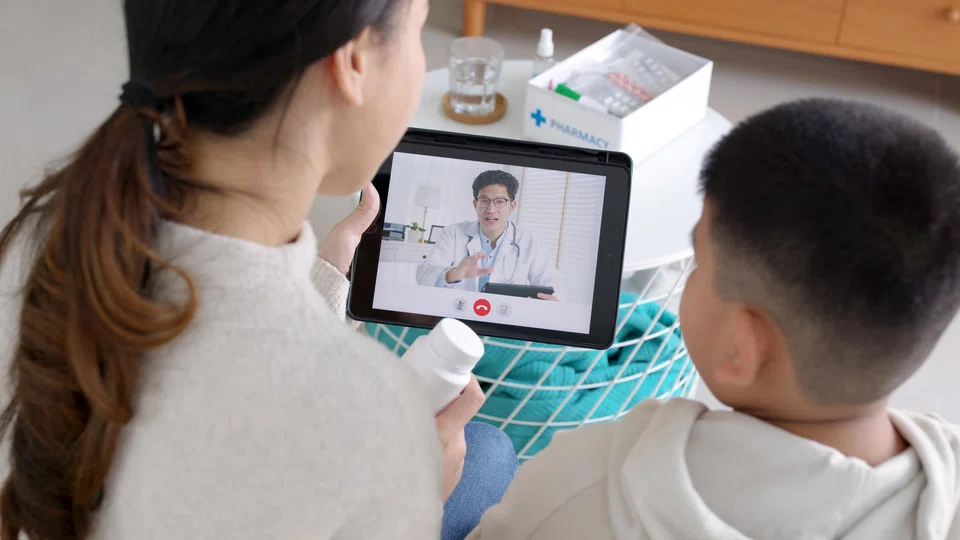
THE Singapore Medical Council (SMC) has no jurisdiction over telemedicine providers, only individual registered medical practitioners, it clarified in relation to advertisements that might breach the Council’s guidelines.
It gave this statement on Thursday (Nov 14), following a report by The Business Times on advertisements put up by telemedicine providers for certain weight-loss drugs, also known as glucagon-like peptide 1 agonists.
Such drugs are available by prescription only. However, ads for prescription-only drugs are prohibited by law.
The Ministry of Health and the Health Sciences Authority told BT that they are reviewing these ads, and will take “appropriate enforcement action if any contraventions are detected”.
SMC’s Ethical Code and Ethical Guidelines provide guidance for doctors, and include advertising principles and standards.
For instance, they state that advertising by doctors must not seek to induce ill-founded fear or insecurity about health or longevity; play on one’s sense of self-esteem; nor generate overly critical perceptions or dissatisfaction with self, body image or physical attractiveness.
However, the code and guidelines do not apply to telemedicine providers – and thus not to any ads put up or sponsored by them.
The weight-loss drug ads would thus be in breach of the guidelines only if presented by individual registered medical practitioners.
TRENDING NOW

Singapore identifies 7 firms responsible for haze fires, notices issued urging action: Grace Fu

‘How many will survive?’: Bubble fears arise as China’s humanoid robotics face reality check

GIC-backed Bank Jago sees wealth management as next growth engine as Indonesian investor base grows

Ageing in Asia: Huge potential for the consumer economy

