



Proposed 12.5% tariff could affect one-third of Singapore exports; MTI rejects US claim of forced labour links
Exemptions include energy products, pharmaceuticals, certain electronics, aerospace products and semiconductors

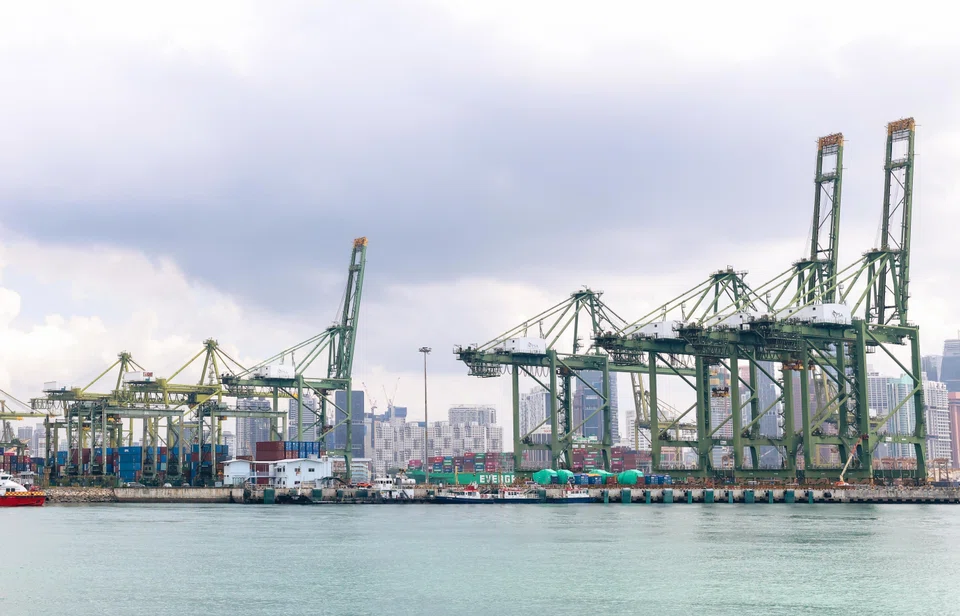
[SINGAPORE] A proposed 12.5 per cent tariff by the Office of the United States Trade Representative (USTR) on Singapore would apply to about one-third of the Republic’s exports to the US, after accounting for a range of product exemptions, a Ministry of Trade and Industry (MTI) spokesperson told The Business Times on Thursday (Jun 4).
The exemptions cover energy and energy products, pharmaceuticals and pharmaceutical ingredients, certain electronics, certain aerospace products, semiconductors, and metals used in currency and bullion, among others.
The MTI spokesperson also reiterated that Singapore “does not condone the use of forced labour in supply chains” and has a “comprehensive framework to enforce against such illegal practices within our borders”.
“There is also no evidence of Singapore’s role in the supply chains of goods associated with forced labour,” the spokesperson said in response to media queries, echoing remarks previously made by the ministry in April.
“Forced labour is a transnational issue that requires international cooperation,” the spokesperson added. “(MTI) had conveyed Singapore’s position to the USTR during our bilateral consultation.”
The comments followed the publication of a 98-page USTR report on Tuesday, which proposed double-digit tariffs on imports from 60 economies, including Singapore.
The investigation, launched in March, found that the economies had either failed to impose a prohibition on imports linked to forced labour or had not effectively enforced such measures.
As a result, tariffs ranging from 10 to 12.5 per cent were proposed.
The final tariff rates have yet to be determined, as the proposal remains subject to public comments and hearings before a USTR trade panel, which are set to begin in July.
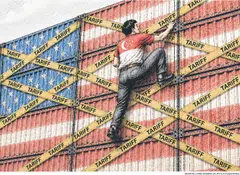
The proposed tariffs are intended to replace current US reciprocal tariffs that are due to expire on Jul 24. For non-exempt goods, Singapore exports to the US are currently subject to the baseline 10 per cent tariff rate.
Singapore has run a trade deficit with the US for more than two decades, meaning the US exports more goods to Singapore than it imports from the Republic.
The US was Singapore’s fourth-largest trading partner in 2025, with total bilateral trade amounting to S$139.2 billion.
It is also Singapore’s largest market for non-oil domestic exports (NODX).
In 2025, Singapore exported S$27 billion worth of NODX to the US, based on data from the Department of Statistics.
The two countries are also major investors in each other. Singapore was the third-largest Asian investor in the US in 2024, with an investment stock of US$71.1 billion. More than 250 Singapore companies have operations across over 45 US states.
Separately, another USTR investigation involving Singapore and 15 other economies – focused on excess manufacturing capacity and its impact on US commerce – remains ongoing and could result in additional tariff measures.
Decoding Asia newsletter: your guide to navigating Asia in a new global order. Sign up here to get Decoding Asia newsletter. Delivered to your inbox. Free.
Copyright SPH Media. All rights reserved.






