Singapore tightens national bonus criteria for political salaries, including unemployment, income growth
The government also agrees to explore including a ‘robust’ quality-of-life measure in the framework
 Add BT as a preferred source
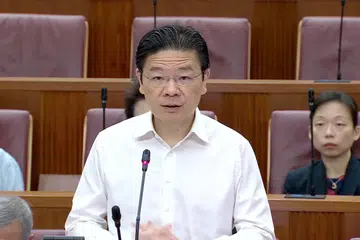
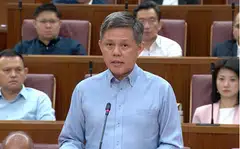
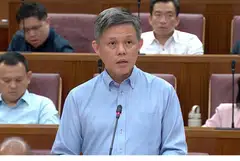
[SINGAPORE] The government will tighten the targets underpinning the National Bonus – the variable component of political salaries – across three socioeconomic indicators, while updating the real gross domestic product growth band to reflect the country’s long-term potential, said Coordinating Minister for Public Services Chan Chun Sing on Tuesday (Sep 8).
The National Bonus, which ranges from zero to six months’ pay, is tied to four indicators: the unemployment rate, real income growth for median and lower-income Singaporeans, and real GDP growth.
The government has accepted the political salaries review committee’s recommendation to revise all four targets.
The unemployment rate target will be tightened from a range of 4 to below 4.5 per cent, to 3 to below 3.5 per cent.
Meanwhile, the real income growth target for median Singaporeans will be tightened from 2 to below 3 per cent, to 2.5 to below 3.5 per cent, while the real income growth target for lower-income Singaporeans will move from 2 to below 3 per cent, to 3 to below 4 per cent.
For real GDP growth, the target band will be updated from 3 to 5 per cent, to 2 to 4 per cent.
Chan noted that Singapore’s average growth rate over the past decade has been about 2.6 per cent, and while the Ministry of Trade and Industry has upgraded this year’s growth forecast to 4.5 to 5.5 per cent, such performance reflects “exceptional years” rather than the norm for a maturing economy.
The Ministry of Trade and Industry expects real GDP to grow by an average of 2 to 3 per cent annually over the next decade, as an ageing population and slower workforce growth weigh on Singapore’s long-term growth trajectory.
The revised National Bonus criteria will take effect from Jan 1, 2027, as the underlying data is reported on a calendar-year basis.
SEE ALSO
Political salaries comprise both fixed and variable components in a roughly 65:35 split, meaning about 65 per cent of the annual MR4 reference salary for entry-level ministers is fixed, with the remainder tied to performance outcomes, said Chan.
This, he added, keeps salaries “transparent and disciplined” while ensuring performance continues to matter.
Beyond the immediate revisions, the government has also agreed to explore including a “robust” quality-of-life measure in the National Bonus framework once such data becomes available, as recommended by the committee.
The government also affirmed the current practice of paying each political appointment holder a single salary package, even if they hold more than one appointment or portfolio, said Chan.
Decoding Asia newsletter: your guide to navigating Asia in a new global order. Sign up here to get Decoding Asia newsletter. Delivered to your inbox. Free.
Copyright SPH Media. All rights reserved.