


Developing green solutions
These Emerging Enterprise Sustainability Award finalists innovate commercially viable products and technologies that contribute to a greener economy
Koh Kim Xuan
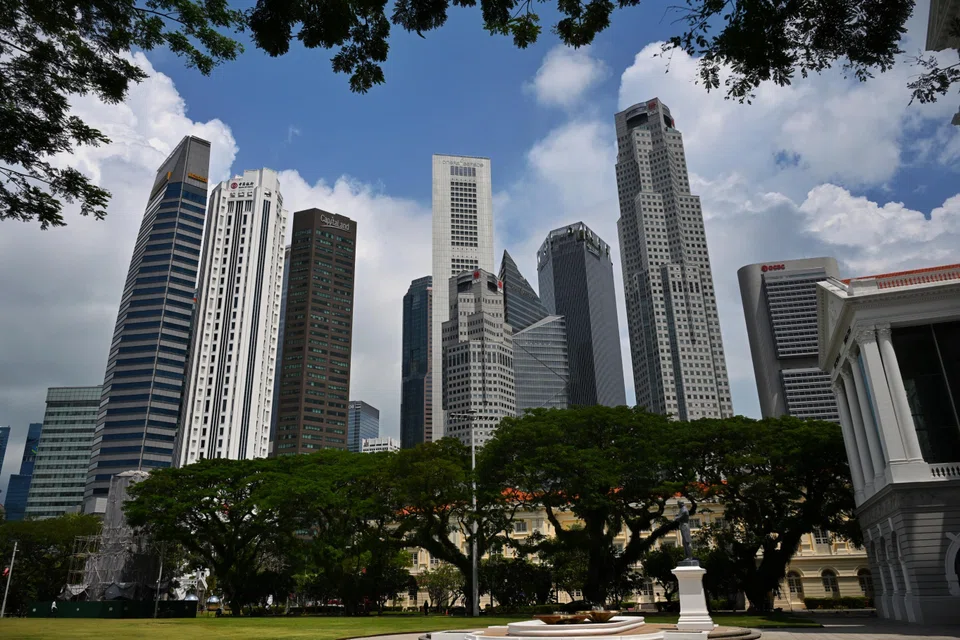
WITH a focus on developing business-friendly innovations such as recycling waste and patented green technologies, five companies show how sustainable practices can contribute to the economy.
They are among 10 finalists of the 2026 Emerging Enterprise Sustainability Award (EESA), which was introduced in 2023 to recognise small and medium-sized enterprises driving growth in the green economy.
EESA is part of the wider Emerging Enterprise Awards launched in 2008 to celebrate startups and young businesses across Singapore and Asia, providing resources to boost their growth.
Jointly organised by The Business Times and OCBC, the 2026 edition is supported by Mastercard, RSM Singapore, A*Star, Enterprise Singapore and Paia from CBRE.
Unleashing energy potential of LED light tubes
Excalibur’s self-developed blue-painting technology creates energy savings
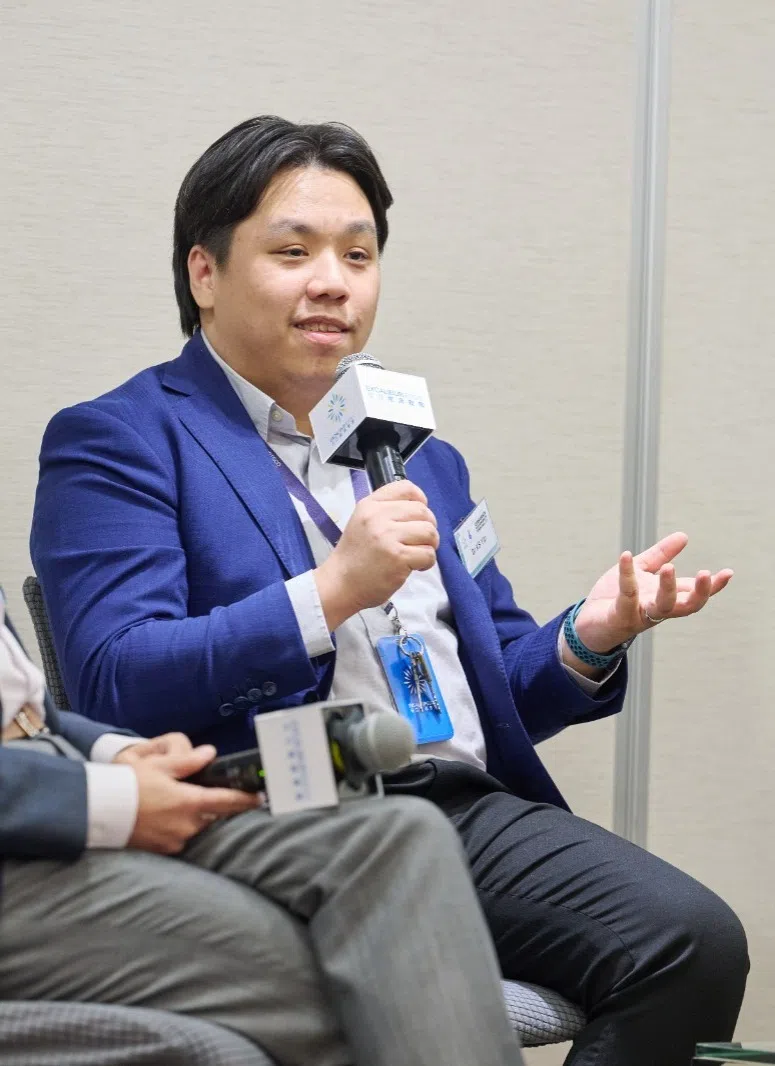
Excalibur developed a blue-painting technology for our LED tubes, unlocking energy performance potential and savings.
As a Hong Kong-based energy service company, we are committed to advancing the sustainable development of Hong Kong’s commercial industry, and help build a more environmentally friendly and liveable city.
Through research and development, our in-house lighting products like the Excalibur Eco-Pro T8 LED light tube achieved Grade A in both EU and UK energy labels with a luminous efficacy of 215 lumens per watt. This enables 50 per cent more energy savings than LED tubes with the same brightness.
The blue-painting technology also lengthens the lifespan of our LED tubes by 400 times the average lifespan of other LED tube products in the market.
SEE ALSO
With this technology, we provide comprehensive, customised and affordable energy-saving solutions to corporate customers through our Diversified Carbon-Neutral Product Ecosystem.
As the business environment evolves, we are also expanding our footprint further to other carbon-neutral solutions beyond lighting technology.
This includes the Battery Energy Storage Systems, external thermal management systems, Internet of Things-based energy saving systems and renewable energy solutions.
Our company is also widening our client base by introducing a new Savings Sharing Contract business model, which allows corporate clients with limited budgets to save energy at no cost.
For Excalibur, energy efficiency is not solely about saving money, it is also a passion to create a better tomorrow by building a more sustainable environment for society.
Recycling waste to accelerate a circular, zero waste economy
Parongpong Recycle and Waste Lab’s proprietary platform converts waste to materials suitable for commercial use

Through a hydrothermal-based technology platform, Parongpong converts waste like fishing nets, construction debris and plastics into high-performance building materials.
Our mission is to accelerate the adoption of circular materials made from residual waste – a process that is backed by a traceability system, research and development (R&D), and cost-effective, community-based local manufacturing.
Founded in 2017, our company name comes from the Sundanese word for zero, anchoring our identity in starting from what others discard.
We have deepened relations with major industry players like chemical manufacturer Mitsui Chemicals and global furnishing brand Ikea.
These partnerships validate our technology and manufacturing approach in engineering structurally reliable building materials at commercial scale.
Beyond recycling waste, we are building SISA, a business-to-business construction waste intelligence marketplace with a material passport system, offering data and traceability infrastructure for the wider industry.
We are also staying adaptive to localised waste stream disruptions by diversifying our waste inputs and product lines by expanding geographically.
Currently, we are actively growing into Japan, Malaysia, Thailand, Korea and Vietnam.
To ensure messy, inconsistent waste streams can be converted into reliable materials, we are incorporating artificial intelligence into our workflows in three ways.
Firstly, during the R&D phase, AI helps model and predict material properties as we formulate composites of waste inputs, accelerating iteration cycles.
Secondly, AI will be used in SISA, helping us connect waste generators, processors and buyers more efficiently, and power the material passport system that tracks sources and quality across supply chains.
Lastly, we use AI in our operations to improve traceability and quality control across the decentralised, community-based manufacturing network.
Creating circular rubber solutions
Geomax Rubber’s solution transforms industrial waste into commercially viable footwear products
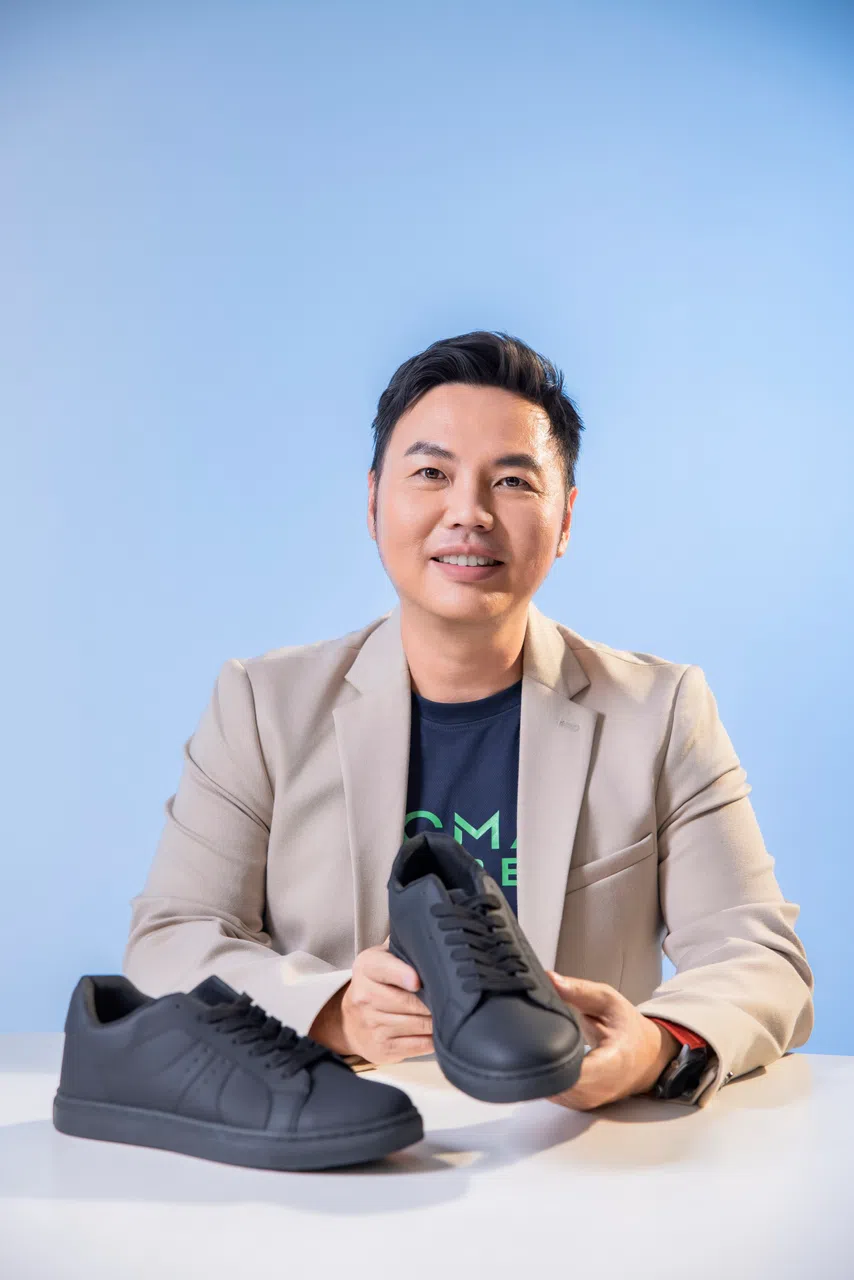
Geomax Rubber Innovative Products specialises in the development of sustainable rubber materials and innovative footwear solutions
Through our patented green recycling technology, we transform rejected nitrile rubber gloves that would otherwise be sent to landfills or incinerators, into advanced eco-materials that can be incorporated into durable, functional footwear.
The commercially viable footwear created from industrial waste includes Fosser Eco Safety Footwear, which is Malaysia’s first safety shoes to receive the SIRIM Eco Label, and FOMULA Eco Footwear.
Our other products also carry the Malaysian Technology certification and government-endorsed green recognition scheme MyHijau Mark, providing validation for our commitment to sustainable product development and customer confidence in our solutions.
Amid fluctuating raw material costs, regulatory developments and changing customer requirements, we are improving our recycling technology, developing alternative applications for rubber waste and diversifying our product portfolio.
Additionally, we are strengthening our supply chain and accelerating market access by seeking strategic partnerships with industry stakeholders, research institutions and commercial partners.
Altogether, our strategy is built around innovation, operational resilience and market diversification, which will enable Geomax Rubber to remain adaptable while creating long-term business value.
We are also looking to expand our technology applications beyond footwear and contribute to a more sustainable manufacturing ecosystem.
By combining patented technology innovations, product functionality and credible environmental certifications, Geomax Rubber is positioned to contribute to the circular economy while creating value across the rubber and footwear industries.
Protecting people and the environment with reusable, anti-viral masks
Innotier’s patented antibacterial fabric provides permanent protection

Founded in 2020 at the peak of the pandemic when countries faced mask shortages, Innotier started with a mission to save lives and the planet, through developing reusable and anti-viral masks.
The masks are made of our patented permanent woven anti-viral and anti-bacterial technology, which is woven with 99.9 per cent pure silver yarn. This enables apparel and accessories to be both sustainable and protective.
Unlike most anti-microbial technology that are spray-on and wash out after a limited number of uses, our woven technology provides permanent anti-microbial protection. One of our products, InnoShield mask, maintains 99 per cent of its anti-viral and anti-bacterial functions after 500 washes.
Our technology is backed by founder Juliana Lam’s more than 28 years of research and development, four international patents and more than 600 lab-proven certifications.
With 100 per cent ownership of our own factories, Innotier is able to flexibly adapt and create solutions for different industries through a vertically integrated supply chain. We are also able to manufacture a diverse range of fabric product types with our facilities.
We have gained recognition on a global scale, which includes the United Nations members repeatedly ordering our InnoShield masks during the pandemic. These reusable masks cut carbon emissions by up to 94.7 per cent compared with disposable masks.
Additionally, we have also become an official Disney supplier and provided anti-viral technology fabric for Hong Kong and China delegation teams at the Paris Olympic Games.
Overall, we aim to create world-class, sustainable protection accessible to people from all walks of life.
Decarbonising and sustainably scaling rice farming
Rize created a full-stack platform to help farmers shift to sustainable farming practices
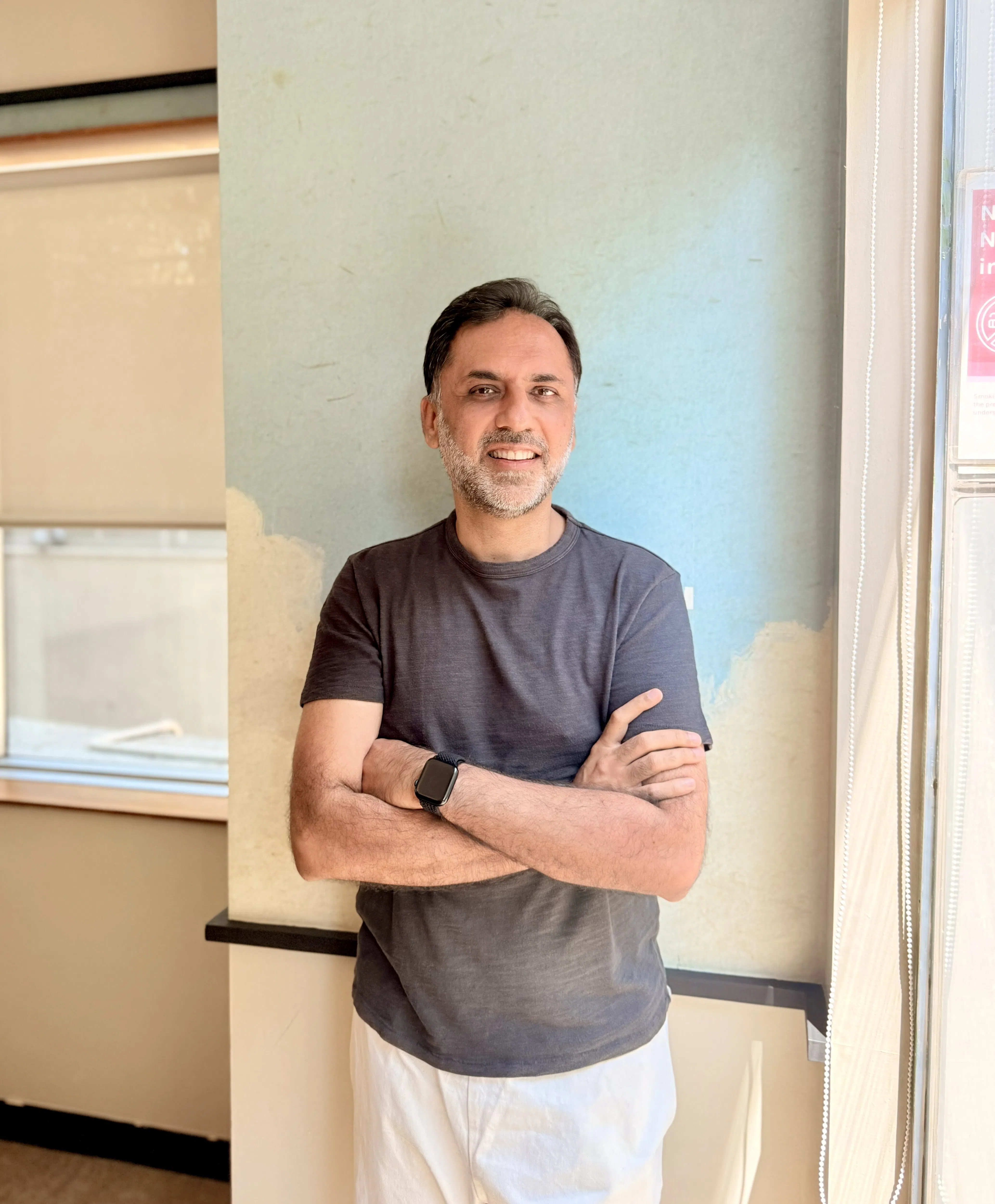
Envisioning a future where rice farming shifts from being a source of emissions into a cornerstone of climate resilience and food security across Asia, Rize has developed South-east Asia’s first one-stop platform that provides rice farmers data-driven guidance to lead that transition.
Our full-stack platform integrates agronomy – the science of soil management and crop production – field-level data, carbon measurement and verification, agricultural inputs and services, and market access into a single system.
This helps smallholder farmers shift to lower-emission and higher-income practices like alternate wetting and drying (AWD), which is a method of controlled and intermittent irrigation.
Across our operations in Vietnam and Indonesia, the platform has reduced more than 30,000 tonnes of carbon dioxide equivalent emissions and raised farmer incomes by up to 30 per cent. We have also onboarded more than 17,000 farmers and manage more than 50,000 hectares (ha) of paddy fields.
It is currently backed by our team of more than 100 agronomists managing more than 500 ha each.
AI also serves as the engine behind our operations. Through an AI-automated, proprietary training system, agronomists are onboarded faster than traditional field-based training, and equipped with the newest tools and practices.
This enables us to expand our footprint across the region without relying on headcount growth alone.
Rize also uses an AI model to validate geotagged AWD field photos counted towards carbon credit calculation. AI further underpins the monitoring of every farmer and field under our management, through methods like land polygon mapping, yield estimation and ground-truth reconciliation.
Together, this enables faster and more accurate carbon measurement and verification, as well as decision-making across the region.
Decoding Asia newsletter: your guide to navigating Asia in a new global order. Sign up here to get Decoding Asia newsletter. Delivered to your inbox. Free.
Share with us your feedback on BT's products and services
TRENDING NOW

Once staunchly pro-China, Malaysian Chinese businesses are now distancing themselves from Beijing

Britain’s mansion tax shows the difficulty of targeting wealth

Three hats, one goal: How Ng Kian Swan runs sustainability at NUHS

COE review: The gap between luxury and mass-market cars isn’t the only one worth bridging

