


‘If you can make it in Singapore, you can make it anywhere’: Minor Food CEO
Diversification is key amid pressure from China F&B players and the new Johor transport link, says Dellen Soh

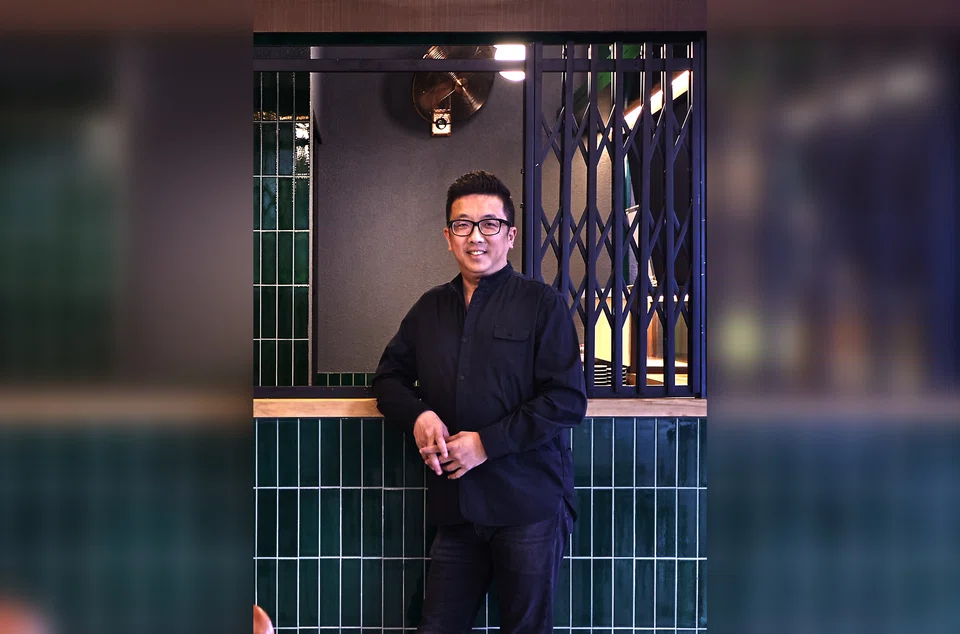
[SINGAPORE] Singapore’s F&B sector has a reputation for being extremely cut-throat and unforgiving.
High costs, discerning consumers and an influx of international brands, particularly from mainland China, combine to create a tough operating environment for established players and new entrants alike.
Yet, for the CEO and chairman of casual-dining restaurant operator Minor Food, it is exactly the reason to have a footprint in the city-state.
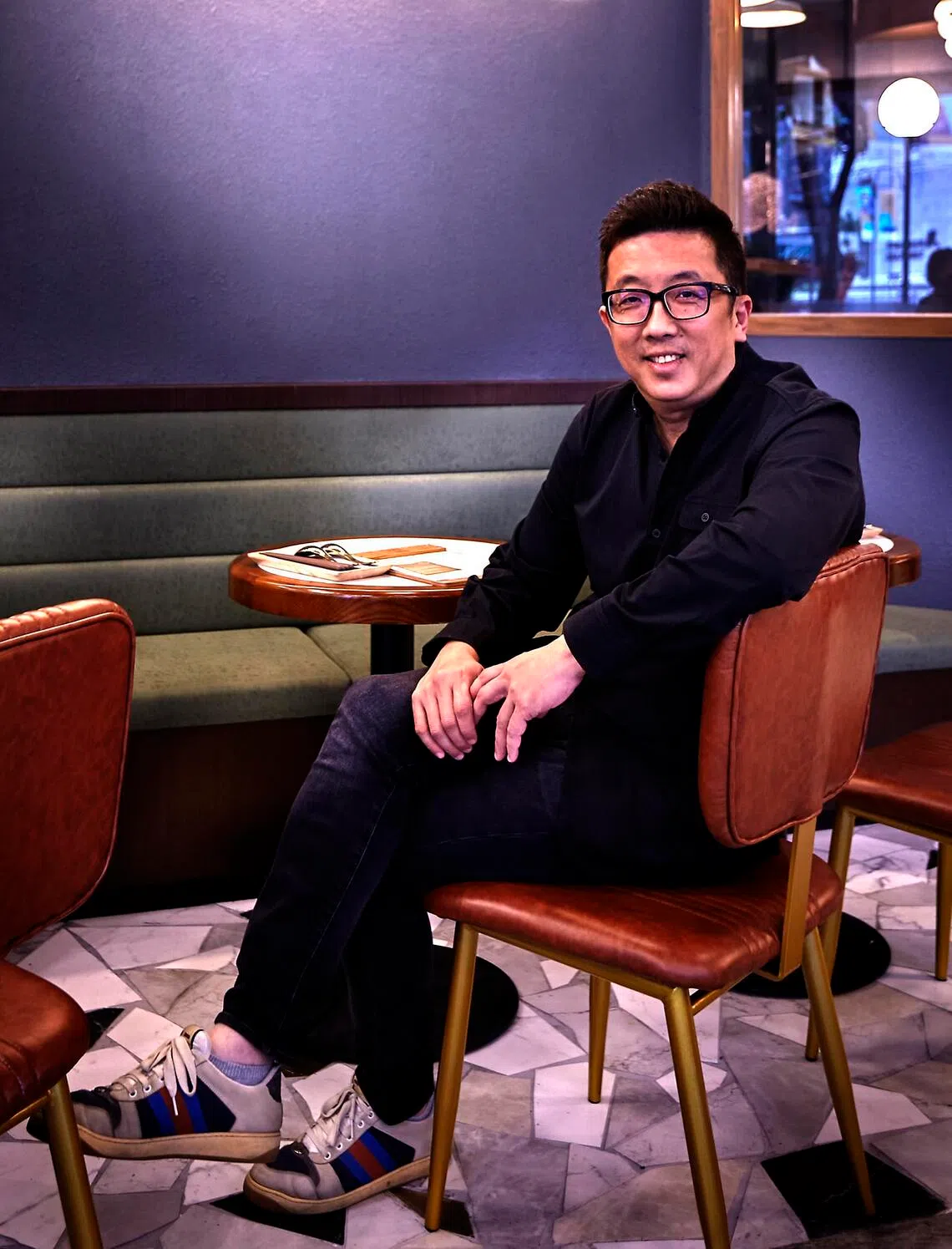
Dellen Soh, in an interview with The Business Times, said: “People ask me: ‘Singapore is so hard. Why do you want to pick this place to innovate? Business, labour costs and rentals are very high.’
“But this is precisely the reason you should choose Singapore as an innovation centre. This is where you face the worst challenges.”
Soh leads Minor Food, one of the world’s largest F&B platforms. The group operates more than 2,800 outlets in 24 countries. It has a portfolio of more than 30 brands that include franchise licences for Burger King and Dairy Queen; in Singapore, its brands include Thai Express, Poulet and Xin Wang.
Minor Food is owned by Bangkok-headquartered Minor International, one of the largest hospitality and leisure players in the Asia-Pacific. Minor International is listed on the Thai Stock Exchange.
Soh argued that while Minor’s home market Thailand may offer restaurant operators lower costs, Singapore’s higher labour costs and manpower constraints actually force businesses to find more efficient ways to operate.
“If you can make it in Singapore, you can make it anywhere else,” he said.
Competition heats up
Labour and rental costs are not the only issues restaurant operators in Singapore have had to deal with in recent times.
Soh said the influx of restaurant brands from mainland China into Singapore is increasingly becoming a formidable source of competition for local operators.
“There is a lot of talk about Chinese brands coming here and paying high rentals, but their model can pay,” he said.
He attributed their competitiveness to economies of scale that enable them to serve appealing dishes at relatively affordable prices. By comparison, a meal at a local Chinese restaurant could easily cost a typical family S$300 to S$400, he added.
He sees these newer mainland China entrants differentiating themselves through simpler, more targeted menus, as well as speciality dishes and perks such as complimentary ice cream and snacks, which can enhance the overall dining experience.
“You may think these are small things, but these are big things that people have never thought of or seen before.”
One change the group’s Xin Wang Hong Kong Cafe made was to have its menu “re-engineered”; it was streamlined because it was too extensive, offering items from Hong Kong dishes to Western food.
Another potential challenge for Singapore’s F&B operators is the Johor Bahru-Singapore Rapid Transit System Link, which will likely make it more convenient for Singaporeans to cross the Causeway for meals.
Soh said that Minor Food is preparing for a potential drop in business as cross-border travel becomes easier. The group operates five restaurants in Johor Bahru, compared with about 100 in Singapore.
“We just have to ensure that our brand is the consumer’s choice when it comes to eating something,” he said.
Soh’s relationship with Minor Food began in 2008, when he sold ThaiExpress, the Singapore-based Thai restaurant brand he founded in 2002, to the group. He continued running the business until 2013, when he pivoted to helping Minor Food acquire restaurants. In 2018, he was helming the group.
The group’s newest brand is Bake It Babe, a Thai bakery known for its banana cake, which Soh and Minor Food franchised and brought to Singapore.
Many of the 20-something brands that Minor Food operates in Singapore are fast-casual, sit-down restaurants, but Bake It Babe will put the group into the bakery business in the city-state.
Soh said a diverse portfolio of brands is particularly important in the current market, as it gives the group greater flexibility when negotiating with landlords and selecting concepts for different locations.
“If a mall already has three Thai restaurants, I can put in a French, Vietnamese, Taiwanese, local or Western concept instead,” he said.
Good food no longer enough
Soh expects further consolidation in the Singapore F&B market as operators face mounting costs and changing consumer expectations.
“Everything is difficult, but there is still money to be made because nearly 80 per cent of people here eat out,” he said.
Singapore’s small but densely populated market is highly competitive, leaving little room for operators to become complacent. Consumers are also increasingly well travelled and discerning, and their expectations are shaped by dining experiences overseas, he noted.
“Right now, consumers don’t taste your food anymore, they taste your whole system,” Soh said, referring to how diners assess the overall experience from the quality of the food to the service and standard of operations.
“Good food itself is fundamental, which I still believe in, but that can bring you only so far,” he said.
Singaporeans’ familiarity with international cuisines has raised the bar for restaurant operators.
Diners who travel frequently can quickly recognise whether a restaurant serves food that meets the standards they have come to expect, Soh pointed out.
“If you are not up to standard, you will fail very quickly because consumers know what a good steak is,” he said.
This means operators have to stay on their toes to keep up with increasingly discerning customers, who are increasingly spoilt for choice.
Soh noted that F&B businesses now make up 50 to 60 per cent of the tenants in shopping malls, up from 20 to 25 per cent in the past.
This is the result of traditional retail weakening amid a widespread pivot among consumers to e-commerce, so mall landlords have had to rely increasingly on F&B to attract foot traffic, given that dining experiences cannot be easily replicated online.
Despite the difficult environment, Soh believes there is still room for growth, given Singaporeans’ continued appetite for dining out.
“The market is still there. We’re still very crowded. People still want to eat out,” he said.
He believes that operators can therefore choose between staying to fight for the right to succeed in Singapore’s crowded market, or get out of this very hot kitchen.
TRENDING NOW

Looking beyond looming CEO succession, should UOB potentially pursue a transformative merger?
MAS holds monetary policy settings, pausing after two straight tightenings

Once staunchly pro-China, Malaysian Chinese businesses are now distancing themselves from Beijing

Stocks to watch: Kore US Reit, Parkway Life Reit, Raffles Education, Vin’s Holdings

