

5 Questions with angel investor and Rainforest CEO JJ Chai

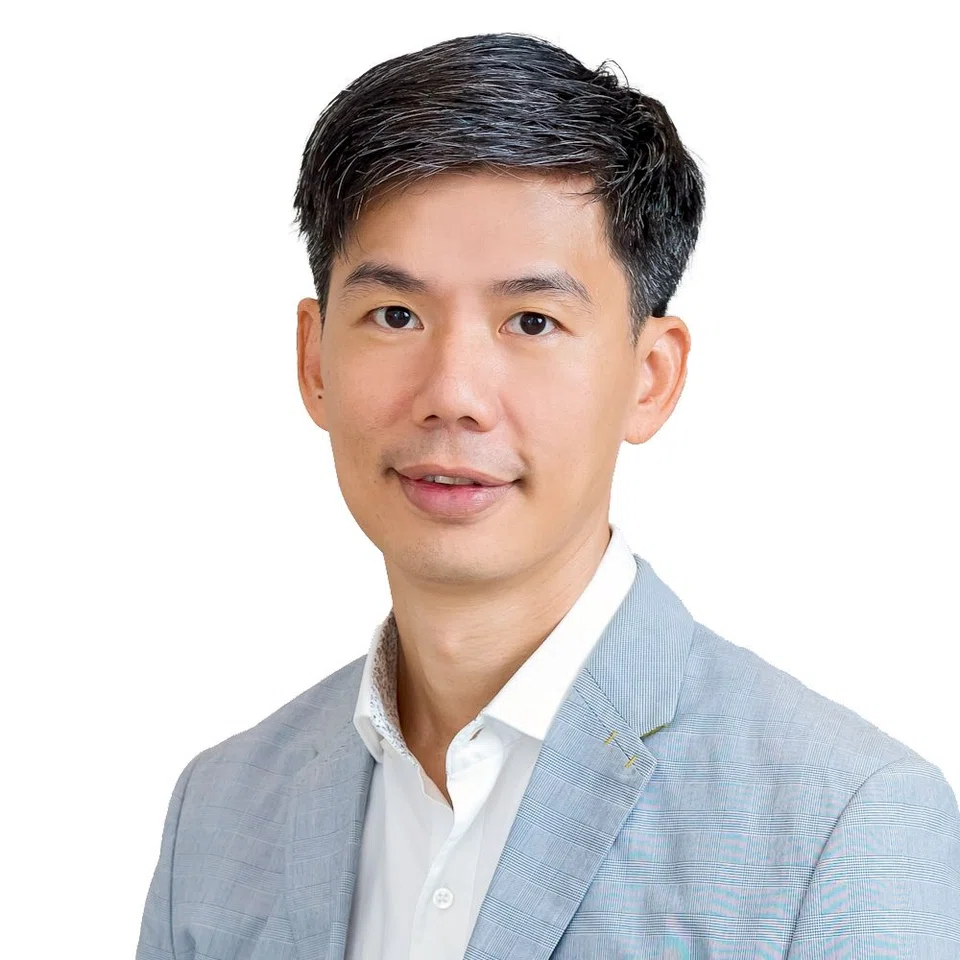
FROM mental health startup Intellect to decarbonisation platform Unravel Carbon, JJ Chai has backed a wide range of South-east Asian startups.
Chai is a techie himself, having co-founded e-commerce aggregator Rainforest. He started his career in software engineering and product management, and later moved into the consulting world with McKinsey.
He then took on several leadership roles, notably as Airbnb’s managing director for South-east Asia and India, and Carousell’s growth and strategy senior vice-president.
In this month’s edition of 5 Questions, Garage speaks to Chai about his wide-ranging experience in the local tech scene, his angel investing approach and why the current tech winter actually creates a healthier environment for building new companies.
1. Tell us more about how your career journey started off and what eventually drew you to startups
I actually started out my career in technology with a Singapore-based startup just after the first dot-com crash in the early 2000s. I was a software engineer and then product manager, before moving into consulting after my MBA. I’ve always believed that fundamentally, a huge impact to businesses and consumers comes from innovation and technology adoption.
In consulting, I enjoyed the time working with smart people and understanding the inner workings of large organisations and governments. It’s changed a bit now, but back then, most clients were large, established businesses, where there was more emphasis on winning market share, capturing value or creating barriers to entry.
In startups, what I particularly enjoy is the opportunity to create value industry-wide, creating a bigger pie, rather than about just fighting for a share of a fixed pie.
Obviously there’s some eventual disruption to incumbents, but Airbnb has expanded the travel industry through home sharing and vacation homes, while Carousell has expanded the retail industry by adding consumer-to-consumer re-commerce.
2. You eventually started your own e-commerce venture Rainforest in 2021. How did you know it was the right time to start a venture – especially while the pandemic was still ongoing – and why e-commerce?
At Rainforest, we are building an e-commerce house of brands, focusing on the modern parent. We acquire brands in the parent and kids categories, and run them on our platform to grow through better operations, product innovation, channel and geographical expansion.
When I was at Airbnb and Carousell, we were often trying to help smaller sellers and hosts operate better on the platform. So the idea of acquiring smaller e-commerce brands to run them better as a group made sense to me.
While it may feel like e-commerce is well established, I believe it’s still early days, with e-commerce forming only about 20 per cent of retail even in developed markets like the US. The tailwinds of e-commerce growth will go on for many more years.
3. We’ve also seen your name popping up as an angel investor in many startups, such as Mito Health, NodeFlair and Needle. What inspired you to angel invest, and what is the biggest factor you look out for in deciding to back a founder?
I angel invest because I’m keen on building a thriving startup ecosystem in this part of the world. It stems from my dismay on graduation in the early 2000s as a computer engineer when there were very few tech startups to join.
The ecosystem has matured a lot since, but one aspect that’s important for a thriving ecosystem are angel investors who can help founders navigate the challenges of building a company, in particular “operator-angels” or “founder-angels” who have seen the fundraising, hiring and growth aspects of a startup in their sector.
I try to do my part by partnering founders who operate in spaces I’m familiar with, or point them to the right angel investors who can be helpful.
Backing a founder is exactly the right way to put it, as there’s really not much more than a business idea at investment. So what I look for is founder-problem fit, ability to attract talent, and a growth mindset. I generally also apply the executive team test – would I want this person on my executive team and work alongside them.
For Mito Health for example, I had told the founder, Kenneth, that I’d back his next startup when he left Seedly – only knowing that it’d be a consumer business, but not knowing exactly which!
4. There’s a lot of bearishness over tech at the moment. How are you adapting to the challenging environment, and what is your advice for any tech entrepreneurs who might just be starting out?
While bearish and challenging in terms of fundraising, I think it’s a healthier environment now to build new companies.
One of the unfortunate problems with the low-interest-rate environment of the past decade was that it started becoming hard to tell if a company had real product-market fit.
Was it growing because it solved a problem well enough for customers to pay, or was it simply growing on the back of unsustainable unit economics subsidised by cheap money?
It’s perfectly fine to give it a good go and spend two to three years on a startup and fail, but it’s quite harsh to spend 10 years only to find out that an idea is unsustainable without continued funding.
I’ve adapted by doing what most other founders have done, which is to prioritise cash flow and profitability over growth. We’ve fortunately attained profitability and positive operating cash flow in the first two quarters of 2023 at Rainforest. We now are looking at how best to balance that with growth again.
As for advice to tech entrepreneurs, it sounds a bit self-serving, but I really do think first-time tech entrepreneurs should get a trusted angel investor onboard early in their journey to help with some of the important decisions.
For example, which institutional investors are best suited for the business or what are market norms for fundraising terms. They ideally should find an angel that cares about them as a fellow founder, not as an investment.
5. What is one thing you would tell your younger self?
I would tell myself the Jeff Bezos anecdote about how it’s much harder to be kind than to be clever or funny.
A young Bezos was in a car with his grandparents, and heard on radio a health ad about how each puff of cigarette reduced one’s lifespan by a few minutes. He decided to do the math on his grandmother’s smoking habit and then declared to her that he calculated she had taken nine years off her life from smoking, expecting to be praised for his cleverness.
His grandmother broke down in tears and Bezos was taken aside by his grandfather, who told him one day he’ll understand it’s harder to be kind than clever.
TRENDING NOW

Government to bring forward raising of retirement age, give employers more financial support to create flexi-load jobs
If Europe goes to war, the fallout will be felt in East Asia

Indonesia stocks suffer worst plunge in nearly 30 years as MSCI proposes standalone status

Vietnam’s northern provinces, not Hanoi or Ho Chi Minh City, are powering near 10% GDP growth

