

Preparing for Singapore's future
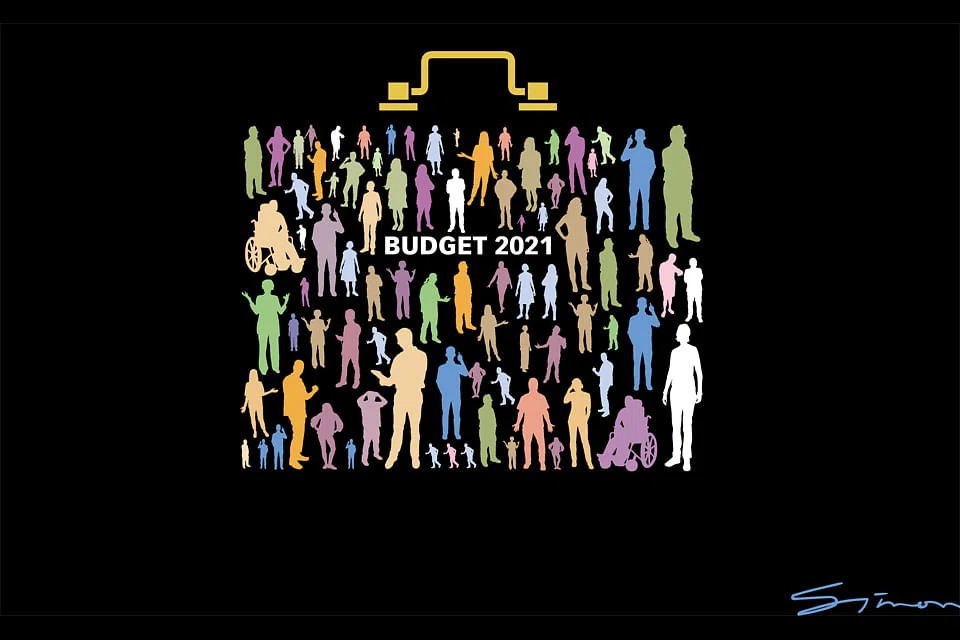
THIS WEEK'S TOPIC: What should be the focus of Singapore's Budget 2021? Is there any issue in particular you wish to see addressed?

THIS WEEK'S TOPIC: What should be the focus of Singapore's Budget 2021? Is there any issue in particular you wish to see addressed?
Yeoh Oon Jin Executive Chairman PwC Singapore
By placing environmental, social and governance (ESG) factors at its core, Budget 2021 should support the development of new capabilities such as renewable energy, innovative technology or ESG financing to help establish Singapore as a leader in sustainability for the region.
The Budget can also help Singapore enterprises embrace initiatives such as building food sustainability and achieving net zero targets. As we continue to support recovery and the transformation of the economy, doing it sustainably has become increasingly important to Singapore's resilience and long-term economic prosperity.
Cheung Pui Yuen Chief Executive Officer Deloitte Singapore
Singapore's economy is poised for a reset, and this year's Budget can set it off on its trajectory towards reinvention and new ideas while continuing the protection needed for Singaporeans to adapt to the new normal. Supporting businesses and workers should remain key, and striking the right balance between funding short to medium-term recovery post-pandemic is important.
To lay the foundation for longer-term success, measures that encourage investments in new growth areas and new capabilities are needed. The pandemic has shown that things that were once considered impossible are now being made possible by thinking out of the box, and there is impetus for Singapore to strengthen the innovation ecosystem necessary to continue moving the economy forward.
Christopher Wehner Managing Director BMW Group Asia
In addition to cushioning the economic impact of the pandemic and providing further support for hard-hit industries, Budget 2021 plays an important role in safeguarding the long-term viability of the local economy. While 2020 was a challenging year for the automotive industry, we adapted considerably well and are well-placed to significantly contribute to the economy in 2021 and beyond. As the electrification of motor vehicles will play a significant part in Singapore's transportation ecosystem in the future, our wish is for a more detailed roadmap for the next five to 10 years, supplemented by sustainability initiatives and a further developed charging infrastructure to support the transition phase.
Iris Xu CEO and Founder Jenga Business Consulting Group
Apart from addressing immediate issues stemming from the pandemic, the Budget should take a long-term view on strengthening Singapore's competitive edge, that it may continue to create high-value jobs and upskill our workforce amid industry disruption and political volatility across the globe. In this regard, I would like to see Budget 2021 providing greater support for the development of fintech and blockchain capabilities in terms of training and infrastructural assistance for companies or entrepreneurs intending to leverage these technologies, in boosting Singapore's position as a key financial hub that is future-ready.
Max Loh Managing Partner, Singapore and Brunei Ernst & Young LLP
There is clearly a pressing need for companies to digitalise, transform and deepen capabilities, so as to pivot towards new opportunities and achieve resilience. The existing industry roadmaps have outlined what is needed to sustain growth across sectors; yet rallying businesses and workers to take ownership and move forward together - in mindset and action - remains a challenge. To that end, the Budget should continue to focus on deepening enterprise capabilities that drive innovation and productivity, investing in our workforce through a more nuanced SkillsFuture programme, and pushing for job redesign and skills-based employment to enhance individual employability and business agility. The Covid-19 pandemic and its ensuing economic impact have further highlighted the risks of sustainability and socio-economic inequalities as well as the importance of emerging stronger as a Singapore collective. Targeted measures to address these have certainly become more imperative.
Sylvie Ouziel International President Envision Digital
Decarbonisation is a matter of collective survival and an inclusive economic development opportunity. As such, this should be addressed in Budget 2021. Singapore may leapfrog and increase the number of electric vehicles (EVs) by 100 per cent, showcasing an exportable mobility concept. Singapore may also avoid mistakes: high-speed chargers that still take too long as drivers queue and damage batteries' health, or sophisticated public chargers that end up underused - only twice every 24 hours, as people do not move during a day of work or a night of sleep. Singapore can go for mass chargers with orchestration to ensure that each EV receives in the right priority its daily needs (40km versus 10 times more for full capacity). Cars that are usually immobile 95 per cent of the time can then be leveraged to deliver massive grid flexibility.
Luc Hovhannessian Managing Director, Asia Pacific Finastra
The evolution of the fintech industry is key for Singapore as it continues to affirm its position as the region's fintech hub. Singapore has been very successful thus far in attracting significant equity funding, and almost half of the region's leading fintechs have established bases in the city state. Singapore fintechs also benefit from the government's progressive and inviting regulatory approach to the sector. We hope to see continued support for growth and innovation, particularly in open banking. It will be exciting to see the industry make further strides towards open finance through a truly collaborative ecosystem. As the transition to digital financial services continues to accelerate across the region, more government-driven initiatives will be needed to nurture talent development to support the continued rise of and demand for fintech services.
Han Chung Heng SVP, Systems, Alliances, Channels, and ISV Oracle Asia Pacific and Japan
For Singapore to stay resilient, there are three focal areas. First is transforming our educational system by imparting skills that will help the new generation adapt fast in the digital economy and ecosystem - what matters will be how we teach, not just what we teach. Secondly, we could also look at placing a greater emphasis on building a green, smart city. Certain facets include investing and supporting enterprises in renewable energy, enabling EVs, and creating sustainable food sources for us to be self-sustainable in the future. Thirdly, besides nurturing the new generation, we have to prepare a robust silver economy - ensuring that our pioneers, with the aid of technology and healthcare, can continue to benefit and drive the future economy.
James Yi Managing Director APCO Worldwide
The Budget touches upon every aspect of our economy, from digital transformation to targeted sectoral support. Our economic recovery will require sector-agnostic collaboration for resources, expertise, innovation and partnerships to be leveraged in a way that supports key priorities such as healthcare reform and climate action in a way that does not leave communities behind. In addition, the Budget may prioritise investment areas for Singapore to take a global or regional leading position, resulting in a faster-growth model for Singapore to further help groups towards long-term national economic recovery.
Manish Bhatia Executive VP, Global Operations Micron Technology
Manufacturing, a key pillar of Singapore's economy during the pandemic, was one of the only sectors to experience growth in 2020. In the second half of 2020, the manufacturing sector grew by around 10 per cent on an annualised basis, bolstering the economy and employment levels. By supporting high-tech manufacturing companies such as Micron to invest in research and development (R&D), product design, and adoption of advanced manufacturing, Singapore can ensure a long-term comparative advantage in its quest to become a knowledge-based economy. Such investments in the manufacturing sector are critical, as they have had a tremendous multiplier effect on job creation and economic activity, helping Singapore continue its miraculous journey for the past 55 years.
David Kuo Co-founder The Smart Investor
Singapore is facing a looming ageing crisis. Currently, the median age in Singapore is 42. It could rise to 53 by 2050. By 2035, nearly a third of Singaporeans could be aged over 65. Care for the elderly is no longer an academic issue but a pressing practical problem that deserves immediate attention. The elderly have specific needs that go beyond the help provided by the limited finances of the nuclear family. The recent launch of assisted-living Housing Development Board (HDB) housing is a step in the right direction. More funds need to be allocated to prevent a greying problem from turning into ageing calamity.
Carlos Gómez Gallego Chief Technology Officer, APJ Aruba
There is no question that the current state of work is very different from office life prior to the pandemic. As the hybrid workplace becomes the new norm, employees now expect seamless connectivity to support their work, be it at home, at the office or on the go. If employers do not provide this, they simply will not get the most out of their best employees, let alone keep them. To overcome traditional networking and security infrastructure intended for a static work environment, tech investments need to support this flexible business model, employee preferences, and additional security concerns of today's world.
Veronica Shim Founder & CEO Envysion Wealth Management
Budget 2021 should be scaled down from Budget 2020. We should not encourage complacency; businesses should reinvent themselves and embark on innovation to compete regionally and globally. While it is important to be compassionate to those affected by Covid-19 and other issues, it is important that the government remains resolute in its focus of elevating Singapore across the world. While the rest of the world continues to grapple with the pandemic and vaccine distribution problems, the government should not lose its long-term focus of staying competitive and using this period to build its lead over other parts of the world.
Lim Ee Ling Regional Director, APAC 500 Startups
The upcoming Budget should be a reflection of some of the biggest changes brought on by the pandemic, such as remote working and home-based learning. While the government has done a fantastic job with initiatives such as SkillsFuture, SGUnited Jobs and Traineeship programmes, taking a long-term approach towards redesigning youth education and training can ensure Singapore's competitiveness locally and globally in the next decade.
There needs to be a strong focus on enhancing the population's skills in a rapidly evolving world. This can be achieved through a more concerted collaboration between the public, private and government entities. Together, we can then continue building a Smart Nation supported by founders and pioneers of new-age ideas.
Choe Peng Sum Chief Executive Officer Pan Pacific Hotels Group
We are grateful that the government has dipped steeply into our reserves last year to give a life buoy to the drowning economy. Budget 2021 is expected to be expansionary and strategic in supporting critical sectors as we recalibrate and rebuild the economy, and work towards restoring its finances for the future.
The tourism and hospitality industries have been among the hardest hit and will need a longer trajectory for recovery as the reopening of international borders remains uncertain. As a vital sector here, it would be prudent for Budget 2021 to continue to provide lifelines through property tax rebates, job support schemes and domestic tourism initiatives. It must support the longer-term industry revival roadmap through enhancement of workforce productivity and transformation, as well as innovation and technology development.
Ben King Country Director Google Singapore
The pandemic has only worked to further expose gaps in benefits drawn from the online world. While we saw 30 per cent of Singapore's online consumers engage with a new digital service for the first time last year, many continue to grapple with the effects of rapid digitalisation. This digital divide can entrench social and economic inequality, while hampering local talent and entrepreneurship at a time when Singapore needs it most.
The government has a role in putting the right infrastructure and resources in place to ensure this gap does not widen. Even before the pandemic, children from under-privileged backgrounds, micro-entrepreneurs and migrant workers had more limited access to opportunities. Building a more inclusive digital economy requires a spirit of collaboration, and public-private partnerships will ensure the benefits of technology can be shared as equitably as possible.
Dinesh Malkani CEO and Founder Smarten Spaces
The pandemic has transformed the landscape of work, with businesses implementing workplace strategies to address a dispersed workforce. Companies in Singapore have played a huge role in the transition of hybrid working, but are increasingly on the lookout to leverage technological innovation for flexibility to cater to an agile workforce and the new hybrid workplace.
The key to thriving in a fast-paced digital economy - and a key aspect I hope to see this year - would be support and resources from governmental agencies in Singapore to help local businesses and startups with their expansion plans globally. With such support, local businesses can have a strong go-to-market strategy and operate smarter in delivering efficiency, enabling Singapore to lead the charge as a technological hub and a regional leader in the digital ecosystem.
Sridhar Pinnapureddy Founder and CEO Cloud4C
The Budget should remain focused on digitalisation and technology as a long-term and sustainable growth driver. As Industry 4.0 unfolds, there is a need to invest in people development, including reskilling and upskilling, to support the increasing talent needs in cloud technology, artificial intelligence (AI), robotics and data analytics. After Silicon Valley, Singapore has the economic system, governance and reputation needed to build and nurture global industry titans like Google, Amazon and Apple. It will be good to see more investments in emerging tech and companies to bolster Singapore's standing as a global hub for the digital future.
Maren Schweizer Director Schweizer World Pte Ltd
Budget priorities shall support economic recovery and help to improve the readiness of high-impact industries and sectors. I believe it is essential that the sector focus is based on economy-wide linkages, such as contribution to gross domestic product (GDP), industry and supply-chain inter-linkages, share of employment, and innovation strength. Digital manufacturing is undoubtedly one target sector with high-growth market potential, room to differentiate and strengthen Singapore's role as an innovation hub, pilot market, and enable reshoring.
The way we handle the recovery will define companies' brands, establish their reputations for years to come, and determine their future competitiveness. Our talent is the core. Therefore the 2021 Budget has to assist workforce re-design - regarding, in particular, learning and reskilling to close capability gaps to prepare for and shape the new normal.
Chua Hock Leng Regional Managing Director Pure Storage
2020 has shown us that an innovative and agile public sector is critical to the delivery of impactful digital services that keep Singapore running safely and efficiently in the midst of a pandemic. 2021 will see a continuation of investments in new technologies, especially those that help companies to make better use of their data. This greater use of data also calls for a re-examination of the government's data security and sustainability priorities. Government agencies here have the opportunity to play a leading role in driving the adoption of greener data infrastructure, while further strategic investments will need to be made to ensure that mission-critical data is always available, yet stored and backed-up securely.
Kuan Hsu Co-Founder & General Partner KK Fund
Given the impact of ''circuit breaker'' safety measures on traditional businesses, the Singapore government is on the right track with its focus on promoting digital transformation. I expect digitalisation to continue at full steam even post-Covid. We hope that Singapore continues to support businesses in their digital transformation journeys through more Budget grants, allocations, incentives and programmes. These will help businesses accelerate and execute their digital transformation goals at speed, leading to a more resilient and competitive Singapore economy on the world stage.
Dan Beevers President, Asia Pacific Vodafone Business
Singapore's Budget has, in recent years, emphasised the need to help businesses drive adoption of digital technology. This will continue to be an important area to note, with Vodafone Business' own research highlighting that Singapore's future-ready businesses had accelerated digital transformation plans even amid the pandemic last year. A sustained focus on helping enterprises take the lead in the digital economy will be essential in ensuring that businesses remain agile enough to capitalise on opportunities anywhere, have deep technological capabilities, and create value through innovation in an increasingly volatile global economic arena.
Eryk Lee Chief Executive Officer AAM Advisory
Due to various lockdowns across the world, it is likely that many businesses in Singapore will continue to be negatively impacted in 2021 regardless of the ongoing vaccination programme. Rent remains a significant overhead for most businesses, and it will be interesting to see how Budget 2021 can assist tenants in all sectors, not just those in the hospitality or retail industry. Similarly, staffing costs are usually the next biggest overheads for a business; further assistance to offset this would be helpful in keeping many companies afloat. In addition, help in this area can save jobs and reduce unemployment, which can only be good for the economy. Last but not least, there should be a continued focus on creating roles for graduates and a continuation of the training subsidies aimed at mid-career individuals so that they can upskill.
ST Liew VP, Qualcomm Technologies, Inc President, Qualcomm, Taiwan & SE Asia
As Singapore prepares for a post-pandemic world, we expect the Budget to focus on ensuring a smooth economic recovery and this will include incentives to help the country transform into a smart nation. 5G will be a key driver for Singapore's Smart Nation journey as high-speed connectivity, low-latency and the ability to handle a massive number of connections will enable new smart services. As such, more government support is needed to ensure the country is on track with its 5G deployment and adoption on a larger scale. Even as we navigate through a period of uncertainty, 5G-enabled industries have the potential to drive sustainable economic growth and define what is next in terms of technology innovations.
Lucie Hulme President Association of Independent Asset Managers
Following recent developments such as the signing of the Regional Comprehensive Economic Partnership (RCEP), a historic US leadership transition, and also vaccine breakthroughs globally, markets in Asia are projecting a better year ahead. The foremost focus of the Singapore Budget should be to capitalise on this momentum and ensure a smooth economic recovery for all. Amid a highly uncertain global environment, economic stability and security will be the rising tide that lifts all boats.
As an important regional financial hub, Singapore should also consider how it can continue to enhance its standing to investors across the region. New initiatives in improving digital literacy, establishing business-friendly regulation and creating an open framework for investment managers will go a long way towards keeping Singapore's financial services industry competitive and safeguarding the country's financial future.
Vivian Chua Managing Director HP Singapore
Small and medium-size enterprises (SMEs) are the backbone of our economy and employ 72 per cent of Singapore's workforce. They will drive the revival and growth of the Singapore economy in this crucial fiscal year. We believe the government should continue to prioritise SMEs by providing greater support for them to go digital, innovate faster and upskill their employees. The HP Asia SMB 2020 report notes that SMEs understand that bouncing back requires innovating how they work to anticipate customer needs and improve their customer experience. Technology companies such as HP share the responsibility in providing the tools and knowledge to build skills and reinvent business models to aid their transformation.
Kevin Fitzgerald Managing Director, Asia Xero
2020 was a year defined by its challenges. Despite this, many SMEs have clearly identified opportunities to succeed through innovation, most often through technology enablement and digitalisation.
This is a testament to the government's strong support and vision of digitalisation, helping SMEs become the most resilient and competitive version of themselves. It was through initiatives such as the Digital Resilience Bonus and e-Invoicing (Invoice Now) that online grocer Zairyo was able to achieve 400 per cent revenue growth during the pandemic.
With Budget 2021, we are confident that the government will reinforce its support for SMEs, and we hope that much of it will be focused on equipping them with the right digital tools to face the future with resilience and certainty.
Ho Nyok Yong President Singapore Green Building Council
The Singapore government has declared climate change to be an issue of significant concern, and mitigating the climate challenge is also a pressing and urgent priority for the world. Singapore's carbon emissions can be significantly lowered through the decarbonisation of the built-environment sector - not just from promoting greater use of renewable energy and reductions in the use of water and other resources, but also from how we choose to build our buildings and the materials we use.
Addressing built-environment carbon emissions will contribute to momentous gains in Singapore's climate mitigation and adaptation efforts, as building-based emissions account for nearly a quarter of the country's total. Budget 2021 should include measures to drive decarbonisation efforts for buildings and infrastructure assets as well as support for manufacturers to transit to less carbon-intensive materials and manufacturing practices, galvanising the industry to build a more sustainable, low-carbon built environment that is green from the inside out.
Richard Low Managing Director Cargill Tropical Palm
There is tremendous potential in what we can do to strengthen our food supply chains in a sustainable manner, whose vulnerabilities were exposed by the pandemic. In Singapore, we believe an out-of-the-box approach is key to extending the city-state's remarkable lead in food security. Cargill has been advocating for the adoption of cutting-edge technology to drive positive changes in the production of food and nutrition, including increased traceability and improved sustainability practices.
For Budget 2021, we hope to see greater support for digital adoption and new frameworks to steer agri-food companies towards a path of sustainability, while still giving them room to grow.
Mark Billington Regional Director, Greater China and SE Asia ICAEW
As Singapore forges ahead with its phased reopening of the economy, Budget 2021 should continue to focus on driving recovery for businesses and the hardest-hit sectors. Concurrently, the government should consider allocating resources to building up capacity for a post-pandemic world and establishing its regional leadership in key areas of growth that will drive its economy forward over the next decades. A good start will be further investment in emerging technologies such as fintech, AI and 5G development, which are poised to drive business transformation and propel Singapore towards its ambition of being a Smart Nation.
We hope to see a continued focus on the sustainability agenda such as support for the development of green economy-related projects, businesses and services. ICAEW stands ready to assist by facilitating dialogues among our members and the broader accountancy profession on how to incorporate sustainability into core business functions and investment frameworks.
Justin Loh Country Director, Singapore Veritas Technologies
The economic outlook is improving albeit still uncertain. Still, some businesses are struggling to regain their footing following the initial chaos caused by Covid-19. With Budget 2021 round the corner, I hope to see continued support on the economic front for schemes that will help businesses to digitally transform their business models. It was evident during the pandemic that digitally-ready businesses adapted fast and benefited greatly from the shift in consumer behaviour. In addition, it will be useful to implement schemes that boost cyber protection as digital businesses face new and growing cyber threats. With a strong cyber defence in place, businesses will have added confidence to accelerate their digital transformation journey and reap the benefits it brings - new customer segments, business agility and cost optimisation.
Mark Micallef VP, Asia Pacific and Japan Cloudera
Organisations in Singapore have been leveraging data to strengthen their businesses amid Covid-19. However, the continued lack of necessary infrastructure to effectively manage it leaves them vulnerable to cyber attacks and breach of data privacy laws.
To help private and public organisations better safeguard data, we hope to see additional support for digital transformation, which will accelerate the adoption of new technologies such as the enterprise data cloud (EDC). With EDC, business leaders have better visibility of how data is consumed internally and can enforce consistent governance policies across information technology (IT) environments. The growing data stream, coupled with 5G's rise, necessitates organisations taking steps to secure their data which will be critical to tackle business uncertainties.
Geoff Soon Managing Director, South Asia Snowflake
In a post-Covid world, digitalisation has become more urgent and is seen as a vital step for recovery. Resources should be allocated to help businesses, especially SMEs, to pursue business transformation and implement technologies such as cloud, AI, data analytics, robotics, and 5G. Grants to help reskill and retrain workforce will also be valuable as businesses try to keep pace with the changing landscape of work.
Joanne Wong VP, International Markets LogRhythm
It has been an extremely challenging past year and there are many priorities that are important. But as our economy becomes even more reliant on technology, it has never been more pressing to highlight the importance of building trust in this digital economy. The pandemic has brought us all online - working remotely, ordering everything via mobile, digital banking. Without peace of mind and trust that the digitalisation of everything will not do us more harm than convenience, a fully digital economy just simply would not work.
Gan Ta Loong MD, Barco SEA and VP Immersive Experience, Barco APAC
The Budget should act as a much-needed catalyst for economic growth by having a strong focus on education, infrastructure, capital spending, job creation and digitalisation. As the trend towards virtual and hybrid learning in the education sector continues, we are hopeful that the Budget will undertake definite policy measures and provide fiscal stimulus to ensure technological improvements, thereby enhancing blended, experiential and immersive learning in the country. Increased investment in educational tech can effectively engage learners of all stripes, which will have a significant impact on the nation's future.
Frankie Chia Managing Partner BDO LLP
Singapore Budget 2021 should be pave the road to recovery by focusing on support for businesses and jobs while taking care of the people's mental well-being. Businesses would welcome measures on enhanced corporate income tax rebate with a higher cap of S$30,000 in YA2021, extension of SG Traineeship Programme for SMEs for one year, double deduction for training on mental wellness for employees incurred in 2020 (capped at S$5,000), and enhanced deduction of 350 per cent for donations made in 2020 and 2021 to encourage giving to those who need it most during this challenging period.
Vincent Goh SVP, Asia Pacific and Japan CyberArk
This year's Budget is an opportunity to solidify the moves made by private and public sector organisations over the last 12 months to be digital-ready, which were undertaken to support the new hybrid-work reality and the accelerated change in how we buy and consume products and services. This is a journey that was already underway in some respects but the pace has exponentially picked up. Singapore is a world leader in digital initiatives, and we understand their essential building blocks; aspects such as cybersecurity and the infrastructure that underpin the technological promise. This Budget is a chance to put in place the ancillary investment that will support the journey.
Geraldine Kor MD, South Asia, & Country MD, Singapore Telstra
Our homes have seen a tremendous change since the pandemic struck last year, with living rooms converted into shared working spaces, and children taking classes from home. As managing director for South Asia at Telstra, a global network service provider, I strongly support the emphasis that the government places on the importance of equipping our people with the right technologies and infrastructure to thrive in the new digital normal. There are still gaps in digital literacy among our people, notably in marginalised segments of our community such as the elderly and underprivileged. By collaborating with local businesses, the government can continue to address this issue.
For businesses, networks underpin technology - they will need to be software-defined, cloud-ready and flexible to connect mobile workers. In the current business climate, organisations also need support to accelerate the roll-out of customer-centric digital services. Our Smart Nation push means that citizens are increasingly encouraged to access every government service online. With remote work and digital transformation trends set to continue, I hope to see the government strengthening digital literacy and access to digital services among our seniors and marginalised communities.
Hari V Krishnan CEO & MD PropertyGuru Group
2020 has been an unprecedented year, one that has restrained investments and spending by Singaporeans due to loss of income and increased ambiguity around recovery from the outbreak. Though the housing market has shown resilience, and there is cautious optimism among prospective home-buyers, the loss of income due to Covid-19 has become a significant barrier to property purchases. A deferment of payment for personal income taxes to ease cashflow for individuals impacted by salary adjustments or in job transitions would undoubtedly help them deal with the pandemic ramifications.
As people have been spending more time at home, Covid-19 has also underscored the importance of ventilation, natural lighting, proximity to greenery, access to smart cooling and energy-saving systems for Singaporeans. The government should encourage the design of more environment-friendly buildings with enhanced indoor environmental quality, energy and water management efficiency systems and continue to help lower-income households upgrade to more energy-efficient appliances.
Ronak Shah Chief Executive Officer QBE Insurance (Singapore) Pte Ltd
With businesses still reeling from the pandemic's effects, SMEs will need to be more cautious with their business decisions this year. Our recently-launched survey of Singapore SMEs found they generally have a more positive economic outlook but are less confident about their own businesses, with 81 per cent expecting their businesses to either stay at the same level or contract. This bleak outlook suggests that SMEs will need an extra helping hand in the Singapore Budget, given they still serve as our economy's lifeblood. Our survey findings supported this too, with 50 per cent of SMEs intending to rely on mostly financial support from the government this year to get through continued economic pain. Insurers need to be alert to the threats SMEs are facing, and stand ready to support their recovery efforts amid an uncertain, complicated business environment.
Parvinder Walia President, Asia Pacific & Japan ESET
Cybersecurity must remain a priority to effectively guard against cyber attacks as Singapore embarks on the next phase of growth in the digital economy. Accelerated digitalisation and remote working have created new opportunities for cyber-criminals. This is evident with a nearly eight-fold increase in Remote Desktop Protocol (RDP) attacks globally in 2020. The security paradigm today has changed, and existing cybersecurity infrastructure might not be enough.
Everyone has a role to play in keeping the nation cyber-secure, and support needs to be provided to those that lack the resources to do so, especially small businesses. This will ensure equal access to the digital economy without compromising on security.
John Ng Chief Executive Officer YTL PowerSeraya
Areas of focus for Budget 2021 could include targeted assistance to industries combating climate change, incentivising sustainability efforts, and promoting workforce transformation. Calls for an increase in carbon tax need to be well thought-through, with a sustainable and gradual approach to allow carbon-emitting sectors such as power generation, energy and chemical companies, as well as consumers, time to adjust. While the power industry has already been financially impacted even pre-Covid, it can seek to do more in the fight against climate change if provisions can be made to support further investments in high-efficiency generating units. At the same time, the government may consider helping recyclable industries, and introducing incentive schemes for households to achieve sustainable living.
As companies seek to transform for the future, support should also be geared towards digital innovation and home office set-up for employees as work-from-home arrangements continue to be the norm moving forward. To support wider digital adoption, boosting consumer confidence to adopt cashless payment systems is also key.
Helen Ng Chief Executive Officer Lock+Store
Those with brick-and-mortar shop fronts have been the hardest hit by the pandemic outbreak with no end in sight. The Budget should address not only rental relief for SMEs in the retail and food and beverage (F&B) sectors, but also the perennial problem of manpower shortage. Support should be given to SMEs to boost their digitalisation efforts. Some SMEs may lack the digital capabilities to integrate with National Digital Identity (NDI) products. The government could look at extending existing grants to cover the costs of hiring developers to integrate with NDI products. This would be a win-win for both SMEs and the systems integrators servicing them.
Chua Kee Lock Chief Executive Officer Vertex Holdings
Even as Singapore embarks on its path to recovery, the adverse economic impact of the pandemic is likely to remain protracted. To turn this adversity into a source of enduring strength for Singapore, the upcoming Budget will need to help protect Singaporeans and our livelihoods in the near term. Looking ahead, it also needs to positively transform our economy and strengthen our society as we strive for growth and progress in the new normal.
Innovation and technopreneurship can play a central role in this journey. The Budget should continue to lend support to the digital economy as well as transformational startups seeking to build a better world through innovative products and services. Additional support for current initiatives such as Startup SG and the Financial Sector Technology and Innovation (FSTI) scheme are expected to be well received by the industry. These new grants can help support many businesses in the early stages of their digital transformation journey.
In combination, these measures can enhance Singapore's economic vitality and strength in the post-pandemic phase.
Ivy Lai Country Manager Philips Singapore
As our healthcare system continues to serve the evolving needs of Singaporeans, we see strong demand for greater technology adoption, especially in the areas of telemedicine, Internet of Things (IOT) and AI. There is a need to accelerate the digital transformation of the healthcare sector to enhance productivity and efficiency. This virtual care and remote monitoring can and should extend beyond the walls of hospitals. Upskilling healthcare professionals is vital to fully utilising these new digital tools, particularly in data analytics and interoperability, for better patient outcomes. Building on Singapore's leading healthcare infrastructure, there also remains opportunities to develop new healthcare innovations to meet the nation's rising future needs.
Aaron Tan CEO and Founder Carro
Fast recovery and long-term economic growth will be a priority as the nation moves on from the pandemic. For this, the Budget 2021 should allocate additional support for local businesses to digitise and accelerate their transformation. For example, the Digital Resilience Bonus - an initiative incentivising F&B and retail businesses to adopt digital solutions - has proven to be a successful model that can be extended this year to other industries, such as automotive.
Further adoption of digital solutions will enable local companies to scale their businesses, provide innovative and efficient services and expand to other key markets. This will cement Singapore's position as an innovation hub with a robust economy for the future.
Guna Chellappan Country Manager, Singapore Red Hat
Encouraging transformation in the economy has been, and should continue to be, a key pillar of the Singapore Budget. While the impact of Covid-19 was felt across all industries and saw the move to digital spaces becoming mainstream, it also demonstrated the importance of connection, resilience, and the need for communities to work together in an open, transparent manner to achieve common goals.
To help businesses grow in 2021, it is crucial that the Budget continues to focus on people, processes, and technology to navigate and succeed in the new year. We hope there are avenues for enterprises to address problems together and build the skills and capabilities needed for the digital economy, so that Singapore can take its innovations to the global stage.
Simon Dale Managing Director, SE Asia Adobe
While it is a cliché to say that Covid-19 has accelerated the speed of digitalisation, there is no doubt that digital will continue to drive the global economy in 2021. Over the last year, we have seen businesses and government taking cloud services such as e-signatures more seriously - notably with GovTech launching the new Sign with SingPass service that Adobe supports. The Singapore government has injected large funds to encourage greater digital adoption across all sectors, along with support for reskilling and upskilling of the workforce. For Budget 2021, we hope to see more targeted support towards developing digital and data analytical skills that will help organisations accelerate their offline-to-online transformation and understand how to get the best value out of it. Adobe looks forward to working closely with the government to provide continued support, including programmes such as Adobe Programmatic League, which provides digital customer engagement skills training for public officers and professionals in all sectors.
Mario Singh Chief Executive Officer Fullerton Markets
Come Budget 2021, it will not be surprising to see the government continue its significant financial support for the aviation and tourism industries. Before the pandemic, the aviation sector contributed to 12 per cent of our country's GDP and employed about 375,000 people.
I expect to see a tapering off in the Jobs Support Scheme as companies pivot and start gaining a stronger footing in the economy. However, the government's overall focus for Budget 2021 will likely be on three areas: continual job creation, upskilling the labour force, and advancing our Smart Nation initiatives.
Personally, I would like to see more development in the blockchain arena. With 5G, AI and IOT becoming common buzzwords, taking a leadership role in the global blockchain arena can seal our vision of becoming the world's first Smart Nation.
Ian Lee Regional Head, Asia Pacific The Adecco Group
As the Singapore economy looks towards recovery, the focus of Budget 2021 should potentially support businesses and citizens to help them rebuild, perform and innovate. Affected industries and businesses can rebuild and innovate via additional R&D, digitalisation grants or tax rebates, while the SGUnited Jobs, Skills Package and Enhanced Hiring Incentive can potentially be extended beyond 2021 to encourage citizens to continuously reskill and upskill. This will encourage businesses to keep their workforce up to date with in-demand skills and increased productivity, and ensure that we have a future-ready local workforce.
Christina Teo Executive Director SAPI
The Singapore Association of Pharmaceutical Industries (SAPI) recognises the importance of ensuring that current healthcare financing structures are sustainable yet allow Singaporeans access to innovative treatments. SAPI will leverage international best practices, insights and experience to partner the government in formulating viable long-term public health policies. Budget 2021 will need to consider several significant healthcare challenges, including the need for faster access to innovative medicines, vaccines and medical technology.
SAPI calls on the government to enhance Singapore's position as a centre for biopharmaceutical research and innovation and as an intellectual property hub. Through Singapore updating its patent protection standards and encouraging innovation, more R&D spending and associated jobs will be driven to Singapore.
Leslie Ong Country Manager, SE Asia Tableau Software
As we dive headfirst into another year of the global pandemic, the lessons from living through Covid-19 last year hold much value. Singapore's Budget 2021 should see a balance between the short and long-term initiatives. The government must continue to build on the foundations it has been laying to equip its people with the right skills to future-proof their jobs, and also help propel businesses into the growth phase. 2020 proved that the role of data and the ability to leverage this strategic asset is no longer a nice-to-have. A survey we commissioned with YouGov found that data-driven companies are more resilient and confident than their counterparts, and report reaping business advantages during the pandemic. To achieve this, it is the workers who need to be empowered with the right skills to work with data. A nation of data-driven people is a successful nation, and I look forward to seeing what Budget 2021 holds.
Robson Lee Partner Gibson Dunn
Covid-19 virtually handicapped many industries in 2020 and caused particularly SMEs in vulnerable sectors to be in dire financial straits, with many eventually becoming bankrupt. This has consequently put a number of Singaporeans out of employment. Covid-19 has not abated. Singapore is susceptible to a real risk of a pandemic resurgence and its consequential debilitating effects. The 2021 Budget should thus address three key areas. The first is in providing financial assistance to affected SMEs (whose businesses are salvageable), and interim financial aid to tide disenfranchised or retrenched employees to over the difficult period while they seek new employment. The second is in providing grants to assist SMEs in acquiring new hardware and technologies to restructure their businesses to be better able to plug into the e-commerce grid of business transactions, and to enable their employees to be better equipped to work from homes. This will make the businesses of SMEs more mobile, more responsive and less constricted by fixed rental costs. The third area is in providing more tax incentives and grants to attract high-tech companies to invest in Singapore and more multinational corporations (MNCs) to set up regional headquarters in Singapore, to create new higher-valued added jobs and to engender new technology transfers to the Singapore workforce. In the long term, this will increase the employment capabilities of Singaporeans with new know-how and skill sets that can command higher remuneration. There must be no let-up to re-educate and retrain more Singapore workers so that they have better and more sustainable career prospects.
Chia Ngiang Hong President Real Estate Developers' Association of Singapore (REDAS)
Budget 2021 should pivot towards a more calibrated and differentiated approach now that the economy has reopened and most businesses are on the mend, except those affected by travel and related disruptions such as aviation and hospitality. It should continue to support industry transformation and development to enhance our competitive edge and attractiveness for investments. The real estate industry contributes significantly to employment and economic growth, and the government's continued support for the sector will help the many stakeholders in the value chain overcome challenges and headwinds to recover faster and emerge stronger. I also look forward to measures to lower business costs in the form of targeted corporate income tax, property tax and other tax/fee exemptions for key affected sectors. Protecting and enhancing jobs and wages should also remain a priority, as well as helping low-income and vulnerable citizens to ride through this rough patch with particular emphasis on lower-rung jobs that are most affected by the pandemic and technological disruptions.
Victor Tan Chief Executive Officer TOP International Holding
The recently announced Green Plan to tackle climate change challenges requires a targeted approach aimed at encouraging companies to embark on green initiatives. The road to going green is not always the cheapest nor easiest. In support of this, the Budget should cater for deeper corporate tax cuts or funding to build such capabilities. Singapore has emerged in a much better shape from the pandemic vis-à-vis other countries. We should quickly leverage our relatively good position to gain ground by accelerating efforts to bring in investments and expertise for growth areas such as decarbonisation, digitisation, healthcare, and technology.
Eric Hoh President FireEye, Asia Pacific
To transform and thrive in the post-Covid new normal, we can no longer afford to ignore the advent and rapid adoption of smart technologies in the way we communicate, transact and work. This accelerated pace of digital adoption does not come without risks, as cyber threats and attacks are on the rise. Cyber attackers are taking advantage of the new normal to launch ransomware campaigns targeted at the healthcare sector doing Covid-19 vaccine research and state-sponsored attacks disrupting supply chains.
The Singapore government is advocating a zero-trust cybersecurity model but, more importantly, it needs to focus on helping businesses, particularly SMEs, to build a culture of security consciousness. Cyber threats are real, and there needs to be a strong mandate by the government to take a proactive stance to relentlessly defend and protect its critical infrastructure in Budget 2021. Lastly, we cannot discount the mental health toll from Covid-19. It will be a refreshing change to see more resources channelled towards promoting the well-being of the population such as healthy lifestyle campaigns and mental wellness programmes. These will help the nation combat against the fatigue of the Covid-19 war and build a new resilience to forge ahead during these turbulent times.
Joshua Yim Chief Executive Officer Achieve Group
As a leader of an SME manpower recruitment firm in Singapore, I can feel the pulse of business confidence here and across the region through their hiring activities. January and February numbers are showing well, but my question is whether the uptick is sustainable. With both the key Jobs Support Scheme (JSS) and Jobs Growth Incentive (JGI) coming to an end, will the financial health of companies and job creation in the market be affected?
Business sentiment remains subdued. My personal wish is to see an extension to JGI for another three months to create more jobs. I would also want to see the government extend employment grants aggressively to companies to create jobs and career opportunities in information and communications technology (ICT).
While companies have the seed funding through these initiatives of salary and training grants to create new business and services, Singapore will be curating an ecological landscape for more ICT startups to flourish and for the growth of talent in the technology sector. The talent infrastructure will in turn attract more companies like Tencent and ByteDance to Singapore, and fulfil the vision of making the republic the Silicon Valley of Asia.
Manish Tibrewal Chief Executive Officer Maitri Asset Management
Following a tumultuous 2020 which exposed the fragility of the global economy, 2021 marks an opportunity to build back better and enhance long-term resilience by placing sustainability and ESG considerations at the core of the national agenda. With Singapore most recently joining the swell of countries declaring climate change as a global emergency, we look forward to seeing greater strides taken towards the decarbonisation of the economy, fuelled by the government's latest Green Plan. Alongside this, continuing to strengthen Singapore's social fabric through investment in healthcare, employment, education and reskilling for the new economy will be key to bolstering pandemic recovery efforts and sustaining Singapore's thriving and competitive economy for the long term.
Henry Tan Group CEO Nexia TS Group
This Budget follows immediately after an unprecedented multiple-budget year and I believe we cannot continue to have too generous a Budget. I'm looking forward to these: first, continued support for those that still need help after the generous JSS -- probably SMEs and specific sectors; second, platforms to allow more collaboration between companies, especially SMEs, to support transformation of their business model; third, continued improvement in the private wealth ecosystem by supporting private foundations in attracting high-net-worth individuals. In summary, we look forward to a Budget that does not just dole out goodies or give fish, but equips citizens to learn to fish.
Dora Hoan Chief Executive Officer Best World International Ltd
In transit to the post-Covid era, besides long-term plans to prepare for the future landscape, such as the stepping up of workforce transformation as well as productivity and innovation, Singapore's Budget 2021 should focus on supporting a smooth economic recovery.
First, the planned Goods and Services Tax (GST) hike should be put off for longer, by at least two to three years, to mitigate the impacts of Covid-19. Meanwhile, support for the harder-hit sectors such as tourism, hospitality, catering, must be maintained, on liquidity and to leverage opportunities. The priority of the Budget should also include saving jobs, creating new openings, and dedicating additional help to allow employees to better cope with the pandemic.
Kanv Pandit Group MD, AsiaPac, Banking Solutions FIS
5G is set to become a game changer, driving transformation for many industries and delivering new experiences for consumers. As Singapore rolls out its 5G networks, the government's funding to drive commercial adoption under the Infocomm Media Development Authority's previously launched 5G Innovation Programme is a welcome boost. I hope further grants and incentives can be provided in the upcoming Budget for 5G pilots within the financial sector.
Open banking is set to disrupt the industry, and 5G capabilities will further innovate the way we bank. Not only will 5G raise the bar for hyper-personalised and immediate customer service, it can also greatly enhance proactive fraud prevention as it allows vastly more data to travel across networks in real time. In order for banks to embrace the opportunities that 5G can bring to their processes and products, they need to scale up their infrastructure and develop 5G-ready systems to cope with the massive shift. The government must put in place the necessary investments to enable the financial sector to realise the full potential of 5G and maintain Singapore's place as the top financial hub in the region.
This is Part 2 of the responses.
Part 1 was published on Feb 8: https://www.businesstimes.com.sg/views-from-the-top/gear-up-for-a-digital-future
READ MORE:
TRENDING NOW

Companies still in search of AI use cases with worthwhile ROI, says Broadcom’s CEO
Beauty World Plaza up for collective sale for S$165 million

Trouble in paradise: Bali runs low on fuel, sparking long lines at pumps

Philippine power giant First Gen rebuffs foreign offers, plans up to US$2.6 billion in expansion

