

Short of ending Iran conflict, Trump has limited tools to lower oil prices
Possible options include waiving federal taxes or restricting US fuel exports, analysts say
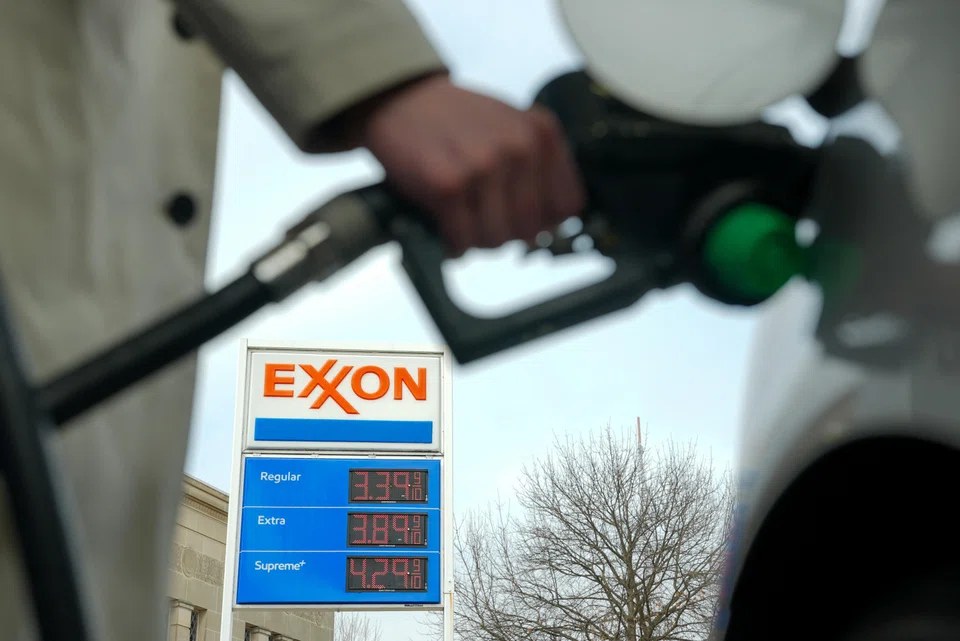
AS THE war in Iran causes oil prices to surge and US petrol prices to rise, Trump administration officials are searching for ways to ease pain at the pump and fend off a voter backlash.
Yet, American presidents have learnt a tough lesson over and over since the 1970s. Once global oil prices start spiking, it can be difficult to shield people from the consequences.
Policymakers have discussed various ideas to reduce petrol prices at home, including tapping strategic reserves, restricting US exports and suspending petrol taxes. But unless the Iran conflict ends, quick fixes will likely be hard to come by.
“Those of us who have been through this before know there are no easy solutions,” said Bob McNally, president of research firm Rapidan Energy Group and once an energy adviser to former US president George W Bush.
As long as the war continues to disrupt energy supplies, he said, “the president has few effective tools to quickly bring down oil prices, and that’s just a reality”.
Oil prices have soared during the current conflict because fighting in and around Iran has paralysed tanker traffic through the Strait of Hormuz, a narrow waterway off Iran’s southern coast that typically accommodates roughly 20 per cent of the world’s oil supply and a large proportion of its natural gas.
Since oil is traded globally, that shock has quickly translated to higher US petrol, diesel and jet fuel prices.
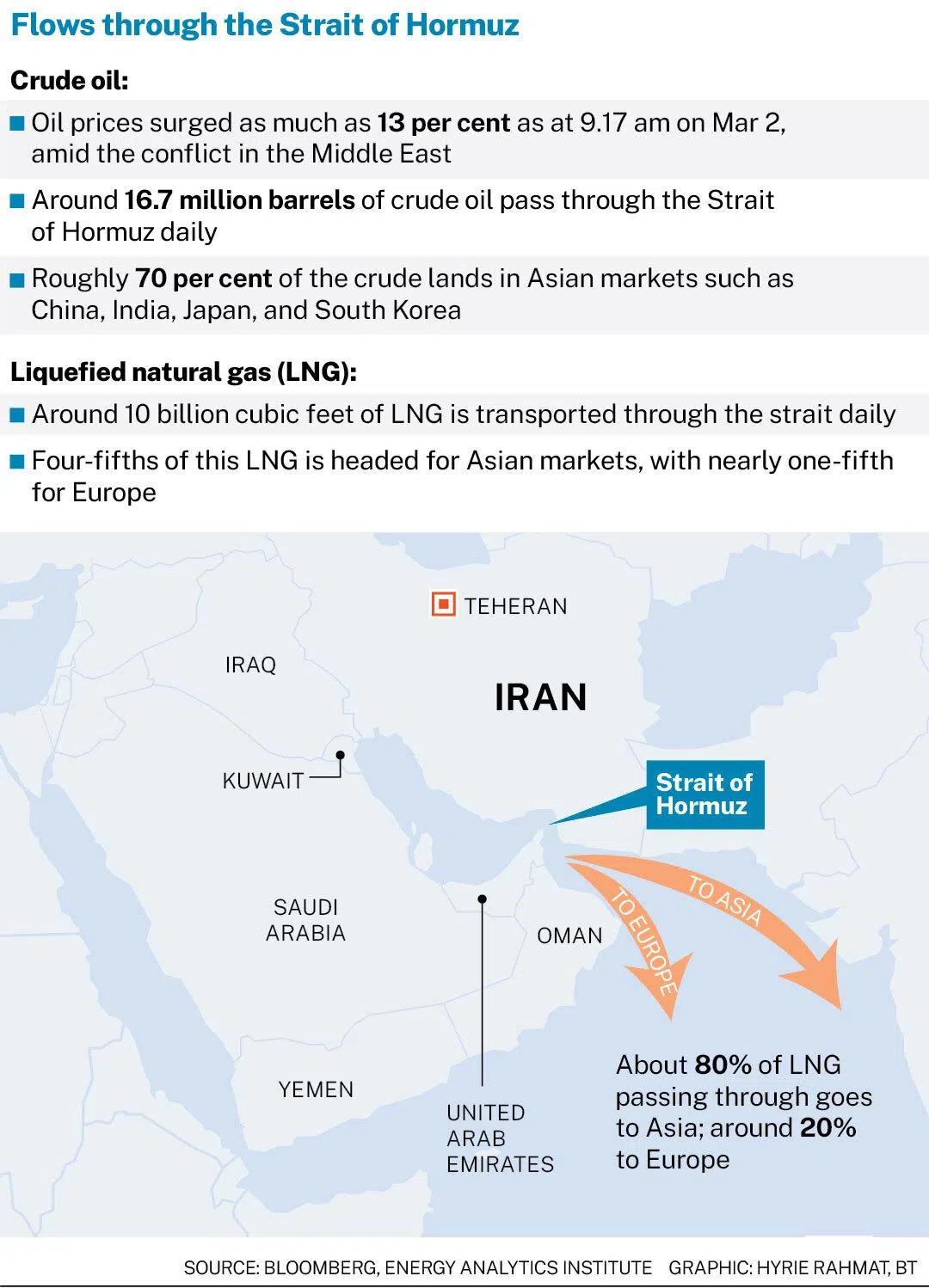
Until that tanker traffic returns to normal – either because the war ends or because Iran can no longer threaten ships – it will be difficult to bring prices back down significantly, experts said. And the longer the conflict lasts, the greater the risks that prices could soar higher.
“This is the largest supply shock in the history of the market,” said Rory Johnston, founder of Commodity Context, an oil markets analytics firm. “Until normal traffic resumes through the strait, everything else is just tweaking around the edges.”


International crude prices have risen by about one-third since the conflict began, and were hovering around US$100 per barrel for much of Monday (Mar 9) until dropping significantly after President Donald Trump told CBS News that the war is “very complete, pretty much”.
Petrol prices in the US have climbed 17 per cent, and now average about US$3.50 a gallon, the highest level since 2024.
Options to lower energy costs
Trump has been meeting with advisers to discuss ways to lower energy costs. Possible options could include waiving federal taxes or restricting US fuel exports, analysts said.
So far, Trump administration officials have generally downplayed the severity of the oil shocks, saying that any disruptions will be temporary and promising that the conflict in Iran would be over soon.
“We’re putting an end to this threat once and for all, and the result will be lower oil and gas prices for American families,” Trump said on Monday.
If Iran continued to disrupt oil flows in the Strait of Hormuz, he added, “we’re going to hit them at a level that they have not seen before. So we’re winning very decisively. We’re way ahead of schedule”.
Taylor Rogers, a spokesperson for the White House, said in a statement: “President Trump and his entire energy team have had a strong game plan to keep the energy markets stable well before Operation Epic Fury began, and they will continue to review all credible options.”
One quick action the US could take would be to release oil from the Strategic Petroleum Reserve, a stockpile of crude typically saved for emergencies.
Other countries have their own strategic reserves, although on Monday the Group of Seven, a bloc of industrialised nations, said it would hold off on a coordinated release for now.
“That’s not going to completely replace Hormuz, but it’s the single most important physical thing that Western countries can do,” Johnston said.
Trump had criticised the Biden administration for releasing oil from the reserve after Russia invaded Ukraine in 2022. So far, he has refrained from tapping the stockpile.
The US reserve currently contains about 415 million barrels of oil in its underground caverns and has a maximum output of 4.4 million barrels a day.
That is a fraction of the roughly 20 million barrels per day of oil and oil products that were being shipped through the Strait of Hormuz before the war.
Even releasing oil from the reserve might only help so much. When the Biden administration released roughly one million barrels per day for 180 days in 2022 after the Ukraine crisis, oil prices moderated somewhat but stayed above US$100 per barrel for much of the year.
“A terrible tool”
Other ideas to ease price shocks could be more contentious.
Arizona Senator Mark Kelly proposed last week a temporary suspension of the federal petrol tax, which amounts to US$0.184 per gallon. Doing so would require an act of Congress, and would deplete federal funding for highways.
A more drastic possibility would be for the US to temporarily restrict oil exports again, analysts said.
In 2015, Congress lifted a longstanding ban on crude exports after America’s oil production started growing rapidly as a result of the fracking boom. The US now exports more than 10 million barrels per day of crude oil and petroleum products.
In theory, forcing US producers to keep more oil at home might drive domestic prices down temporarily by creating a glut of crude. Yet, an export ban could also disrupt refinery operations and hurt European and Latin American countries that trade with the US. It could also upend the economics of the US oil industry.
“It’s a terrible tool, likely to do more harm in the long run,” said Kevin Book, managing director of research firm ClearView Energy Partners. “But in these situations, politicians often have a hard time doing nothing and just letting the market work it out.”
Another thorny option would be for the United States to ease sanctions on Russia, which has millions of barrels of oil sitting in tankers that it has been unable to sell. Last week, the Treasury Department issued a temporary sanctions waiver to enable Indian refiners to buy more Russian oil.
Other ideas, such as relaxing environmental rules so that refineries can produce less-costly summer gasoline blends, would have a smaller effect.
“There’s a tried-and-true playbook that gets brought up every time prices spike,” said Jason Bordoff, founding director of the Center on Global Energy Policy at Columbia University.
“But in this case, if the Strait of Hormuz remains closed, there are very few options that can make a meaningful dent in that.” NYTIMES
Decoding Asia newsletter: your guide to navigating Asia in a new global order. Sign up here to get Decoding Asia newsletter. Delivered to your inbox. Free.
Share with us your feedback on BT's products and services






