

Will the Iran conflict end in checkmate or stalemate?
Much is uncertain, now with the Strait of Hormuz’s vulnerability apparent and key issues still unresolved
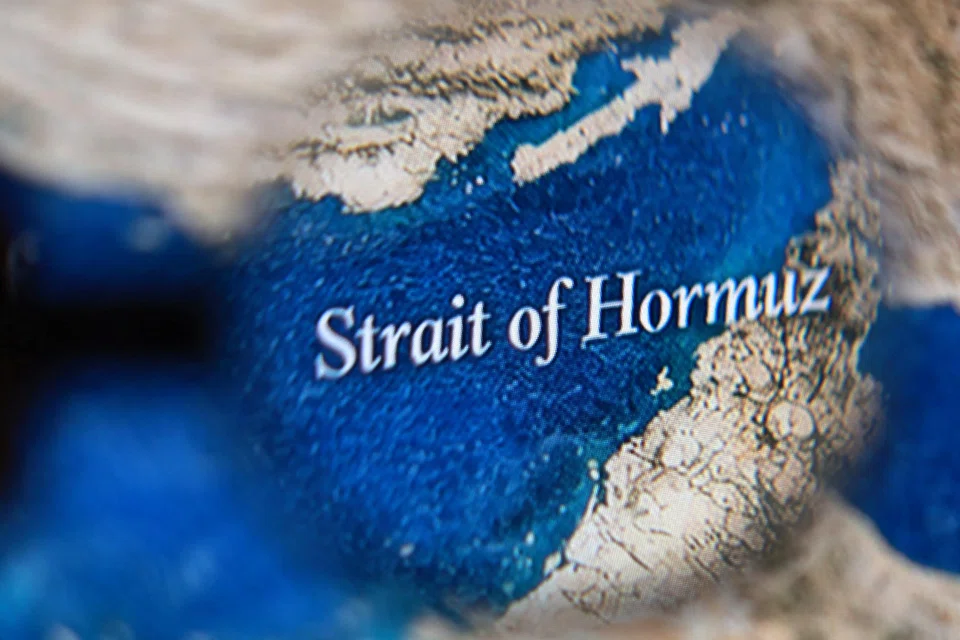
SHAH mat – a Persian phrase dating back to AD 600 and meaning (approximately) “the king is helpless” – evolved over subsequent centuries into “checkmate”, uttered by the winner to the losing player in the game of chess.
With the Strait of Hormuz serving as one giant chessboard and a growing sense that the endgame in the Iran conflict is in sight, it is impossible not to wonder how the final few moves will be played out.
Will the crisis conclude in a draw, checkmate or stalemate? This is the critical question that politicians and markets are grappling with right now.
Everyone has an opinion on politics, usually shaped by their own beliefs. I’d argue that markets are a little more objective. Hence, it is worth paying close attention to the signals they communicate.
After an uncertain start, market messaging has become clearer. Market signals now suggest that a negotiated resolution sooner rather than later is the more likely outcome.
Mixed signals
At the start of the conflict, markets saw confusion and uncertainty, demonstrated by conflicting reactions across different assets. Oil prices spiralled higher, gold fell hard, bond yields spiked and equities remained strangely silent. The US dollar, so long the target of “doomsday debasement” narratives, defied its critics and strengthened.
Subsequently, confusion diminished substantially.
The shooting war and peak uncertainty are now well behind us. Oil prices remain elevated, but the futures curve is in steep backwardation. While June 2026 Brent crude contracts price oil at around US$96 per barrel, June 2027 contracts are closer to US$78, pointing to expectations of hefty price declines in the months ahead.
Similarly, gold is now behaving as a safe-haven asset should.
As the crisis broke – and in a bid to protect their currencies – central banks, particularly of Turkey and Russia, resorted to the rampant selling of gold, resulting in a sharp price correction.
Other sell catalysts were in place, with the stronger US dollar being one, but as markets normalise and currencies stabilise, we anticipate gold to strengthen into the year and are forecasting a target of US$5,400 per ounce in 12 months.
Looking through
Similarly, at the onset of the crisis, there was confusion in the bond market as investors attempted to price the effect of the oil shock on inflation and growth.
Benchmark 10-year US Treasury yields spiked notably, approaching 50 basis points at peaks. But in the last few weeks, they have moved lower by around 20 basis points and now appear reasonably stable.
The moderate inflation outlook reflected by bonds is also consistent with the lower prices further out on the oil futures curve.
Conversely and surprisingly, the equity market remained stable, electing to look through the crisis rather than “sell first and ask questions later”. As at the time of writing, on Apr 14, the S&P 500 index was higher by just 11 basis points than at the close of Feb 27, the day before the first attacks were launched.
Rather than focus on volatile and fluid geopolitical risk, equity markets focused instead on still-robust corporate earnings and the likelihood that the interest-rate landscape in the US would remain constructive. That was the right call.
Endgame
It is apparent the markets and asset allocators are positioning for de-escalation and a near-term resolution.
My view is that they are right rather than complacent. But for broad-based cross-asset risk-on behaviour to propagate in the weeks and months ahead, I’d look at the technicals around the oil price for direction and timing.
At Lombard Odier, we still believe Brent crude faces significant resistance between US$121.85 and US$125.28 a barrel, with a decisive break below US$95.20 to US$96 required to signal an easing of upside pressure.
Simultaneously, the S&P 500 must hold above support at 6,147 to 6,174; and a breakdown in oil prices would strengthen the case that equity lows have been secured.
But I still feel uneasy.
An end of the shooting does not necessarily equate to a lasting peace. Chess demands thinking several moves ahead. In this case, however, it feels as if the game is unfinished and has been abandoned in the middle, and is thus subject to enduring and hard-to-foresee consequences.
Possibly the war gamers went AWOL, or absent without official leave; but more than likely political expediency trumped the military planners.
Rather than a clean and simple geopolitical checkmate, I suspect a stalemate as the more likely outcome, where neither side fully yields and gridlock remains on key issues.
The Strait of Hormuz’s fragility has been exposed; and the regional damage inflicted is unlikely to heal quickly.
Gulf Cooperation Council economies will suffer, European defence spending will surge, and America’s fiscal position will likely deteriorate further.
It’s peace, Jim, but not as we’d like it.
The writer is chief investment officer for Asia at Lombard Odier
TRENDING NOW

Britain’s mansion tax shows the difficulty of targeting wealth

Once staunchly pro-China, Malaysian Chinese businesses are now distancing themselves from Beijing

The only common thing in S-E Asia is that we all eat rice: Cisco’s Asean president

Singapore data centre operator DayOne opts for US IPO at likely US$20 billion valuation

