

Oil touches 2-week high after drone attack on UAE nuclear power plant
The drone attacks and rhetoric from the US and Iran raised concerns of an escalation in the conflict
 Add BT as a preferred source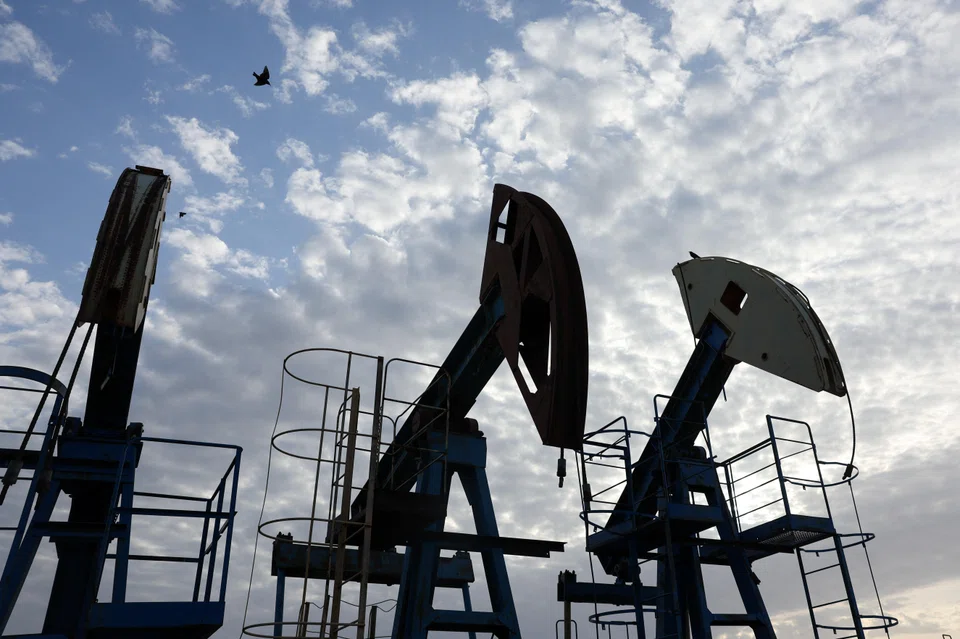
本文由AI辅助翻译
[NEW DELHI] Oil prices extended gains on Monday (May 18) as efforts to end the US-Israeli war on Iran appeared to have stalled, after a nuclear power plant in the United Arab Emirates came under attack and as US President Donald Trump is expected to discuss military options on Iran.
Brent crude futures climbed US$2.01, or 1.84 per cent, to US$111.27 a barrel by 0432 GMT, but were off the US$112 they had touched earlier for their highest since May 5.
US West Texas Intermediate crude stood at US$107.75 a barrel, up US$2.33, or 2.21 per cent, after a rise to US$108.70, its highest since April 30. The front-month June contract expires on Tuesday.
Both contracts gained more than 7 per cent last week as hopes dimmed for a peace deal to end ship attacks and seizures around the key waterway of the Strait of Hormuz.
The May 14-15 talks between Trump and Chinese President Xi Jinping ended without an indication from the world’s top oil importer that it would help resolve the conflict unleashed by the US-Israeli attacks on Iran.
Drone attacks on the UAE and Saudi Arabia and rhetoric from the US and Iran raised concerns of an escalation in the conflict.
“These drone strikes are a pointed warning - renewed US or Israeli strikes on Iran could trigger more proxy attacks on Gulf energy and critical infrastructure by Iran or its regional proxies,” IG market analyst Tony Sycamore said.
Emirati officials said they were investigating the source of the strike on the Barakah nuclear power plant and that the UAE had the full right to respond to such “terrorist attacks.”
Saudi Arabia, which intercepted three drones that entered from Iraqi airspace, warned it would take the necessary operational measures to respond to any attempt to violate its sovereignty and security.
SEE ALSO



Trump is expected to meet top national security advisers on Tuesday to discuss options for military action regarding Iran, Axios reported.
In a move that could support oil prices, the Trump administration on May 16 allowed a sanctions waiver to lapse that had previously allowed countries including India to buy Russian seaborne oil after a month-long extension.
“Fears of renewed strikes on Iran have worsened supply fears ... the United States letting the Russia sanctions waiver lapse didn’t help,” said Vandana Hari, founder of oil market analysis provider Vanda Insights. REUTERS
Decoding Asia newsletter: your guide to navigating Asia in a new global order. Sign up here to get Decoding Asia newsletter. Delivered to your inbox. Free.
Share with us your feedback on BT's products and services
TRENDING NOW
EU and Asean at 50: time for bold action

Indonesia bets on creative economy, IP for growth amid rising global competition

Tiger Beer lines up new products as Singapore operations’ role shifts from brewing to innovation
Asean must retain more value as its digital economy races towards US$2 trillion: Indonesian minister

