

Asian currencies rally on AI enthusiasm, US-Iran peace hopes
The rebound eases some pressure on the region currencies
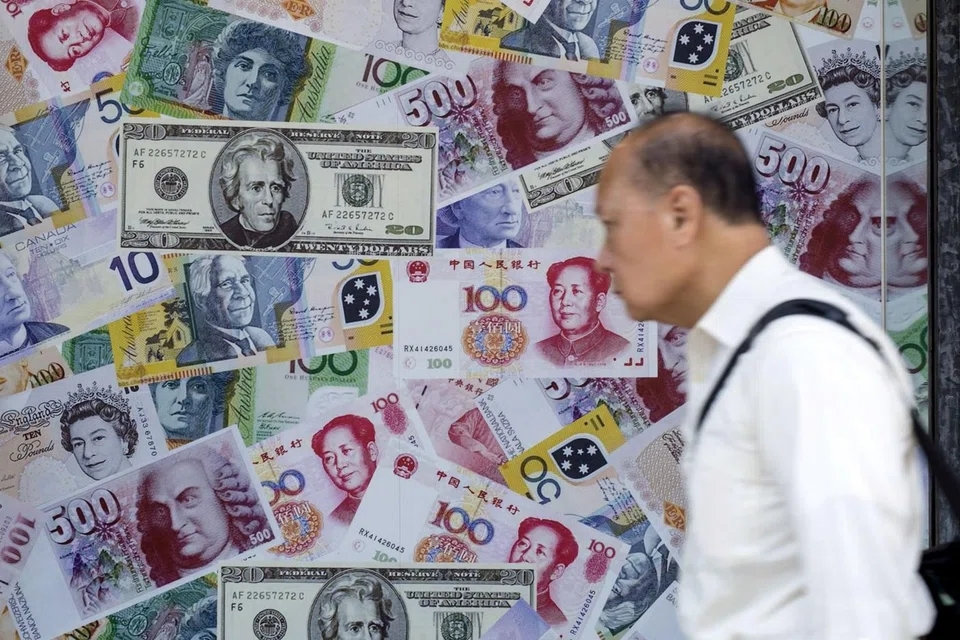
[MELBOURNE] Asian currencies extended a rebound as the artificial intelligence trade gathered pace and sentiment improved on hopes of a peace deal between the US and Iran.
The South Korean won led currencies higher, rising the most in almost three weeks as Samsung Electronics’ market value hit US$1 trillion on booming demand for microchips. The Thai baht climbed as much as 0.8 per cent, the most since Apr 17, leading most Asian peers – especially those most exposed to fluctuations in oil prices – higher.
The rally comes as renewed optimism for AI lifts Asian markets, a key part of the global AI ecosystem. US President Donald Trump also suspended a plan to escort ships through the Strait of Hormuz following clashes with Iran, in an effort to reach a deal to end the conflict.
“Trump’s suspension of Project Freedom, which may raise the hope of negotiation between US and Iran” is driving high-beta FX higher, said Kiyong Seong, lead Asia macro strategist at Societe Generale in Hong Kong. While it’s hard to speculate if the worst is over for Asian currencies, “the worst case of re-intensifying military action can be avoided”, he said.
The rebound eases some pressure on Asian currencies. The jump in oil last week, driven by fears of a breakdown in the US-Iran ceasefire, pushed currencies of countries facing high crude-import bills such as the Indonesian rupiah and Indian rupee to record lows. That prompted repeated interventions from central banks including Bank Indonesia and Reserve Bank of India to stem the weakness.
Still, the rally may not endure as the performance between Asian currencies exposed to the AI-trade and oil swings diverges. India, Indonesia and the Philippines are yet to face the full impact of high energy costs, while the South Korean won will likely be supported by inflows into stocks, according to Eugenia Victorino, head of Asia strategy at Skandinaviska Enskilda Banken.
SEE ALSO


“We still think markets are overestimating prospects for a quick resolution,” said Eddie Cheung, a senior emerging markets strategist at Credit Agricole in Hong Kong. “The ceasefire is still fragile.” BLOOMBERG
Decoding Asia newsletter: your guide to navigating Asia in a new global order. Sign up here to get Decoding Asia newsletter. Delivered to your inbox. Free.
Share with us your feedback on BT's products and services
TRENDING NOW

LTA proposes combining car COE categories, adding rebate-surcharge system

StarHub to acquire MyRepublic’s mobile business amid ongoing telco consolidation

DBS, OCBC, UOB rout lops billions off STI as inflation, rate concerns spook investors

Grab CEO’s wife Chloe Tong on life with Anthony Tan and finding her purpose

