

SK Hynix, Samsung gain as Asian stocks edge higher and tech leads, oil slips
Regional bellwether chip stocks advance as technology stocks reassert leadership in global markets
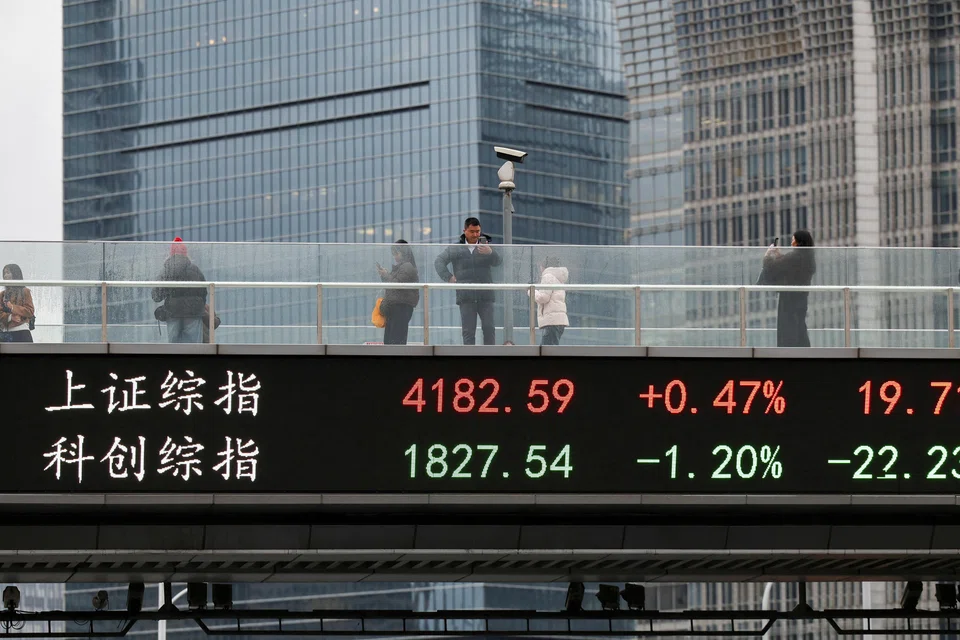
ASIAN stocks inched higher after a rally in US chipmakers drove the Nasdaq 100 Index to its first record since June, while falling oil prices added support as diplomatic efforts to end the war with Iran progressed.
MSCI’s Asia Pacific equity index climbed 0.1 per cent, a sixth straight day of gains, with Japanese markets closed for a holiday. Bellwether chip stocks such as Samsung Electronics and SK Hynix climbed.
Among the main market moves, S&P 500 futures were little changed as at 10.50 am Tokyo time. Australia’s S&P/ASX 200 was little changed, Hong Kong’s Hang Seng fell 0.9 per cent and the Shanghai Composite fell 0.2 per cent.
Meta Platforms’ new Muse AI agent was again in the spotlight, with Shopify shares jumping 7.1 per cent after the companies struck a partnership. Meanwhile, concerns that artificial intelligence could erode margins and fees at financial brokerages drove US financial stocks lower.
Elsewhere, Brent crude was headed for its longest losing streak in a year as US President Donald Trump said US officials had a “very good” meeting with Iranian envoys as Washington renewed efforts to end the conflict. Oil fell as much as 1 per cent before paring losses to trade around US$99 a barrel.
Technology stocks are reasserting their leadership in global markets, with chipmakers again emerging as a key source of gains. With the economic data calendar thin this week, further advances may hinge on whether diplomacy can push oil prices lower and ease pressure on bond yields.
“Focus will stay on geopolitics, and if there is any confirmation of progress towards a ceasefire between the US and Iran, look for oil and yields to fall further and for stocks to rally,” said Tom Essaye at The Sevens Report.
In other corners of the market, gold slipped 0.4 per cent to about US$4,345 an ounce. The Bloomberg Dollar Spot Index, a gauge of the US currency, held its gains from the previous session. Bitcoin steadied to about US$86,200.
As oil prices declined, Treasury 10-year futures and government bonds in Australia and New Zealand advanced. There will be no cash trading in Treasuries during the Asian day due to the Japan holiday.



Chipmakers surged at the start of the week amid early signs of success for Meta’s AI agent. Still, shares in several Asian consumer-facing industries, including major banks, insurers and online travel stocks, may come under pressure after fears that Meta’s Muse may upset businesses relying on so-called consumer inertia.
Consumer inertia is the tendency to keep buying something out of habit even when better alternatives exist.
“For now, semiconductors and memory remain at the centre of the equity conversation,” Chris Weston, head of research at Pepperstone Group, wrote in a note.
Investors are also looking to the summit between Trump and Chinese President Xi Jinping later this week for signs of progress on trade and other economic disputes.
Trump is welcoming Xi to Washington in a visit focused more on pageantry than policy, with low expectations for breakthroughs on long-standing feuds between the world’s biggest economies.
“Neither side looks ready to fundamentally reset the trade relationship, with the threats of restricting critical mineral exports countering the US administration’s desire to turn back to tariffs,” wrote Robert Gilhooly, senior emerging markets economist at Aberdeen Investments. BLOOMBERG
Decoding Asia newsletter: your guide to navigating Asia in a new global order. Sign up here to get Decoding Asia newsletter. Delivered to your inbox. Free.
Share with us your feedback on BT's products and services
TRENDING NOW

GCash parent Mynt rises in market debut after South-east Asia’s top 2026 IPO

In the age of AI, what is a university education for?

Singapore to use ‘every legal and regulatory lever’ against companies linked to haze: Shanmugam
‘IPOs are not the only vehicle’: KKR heads for record exits even as firms stay private for longer

