

Oil prices ease as US-Iran truce hopes counter Saudi supply risk
Brent is up about 2% for the week and West Texas Intermediate, down about 7%
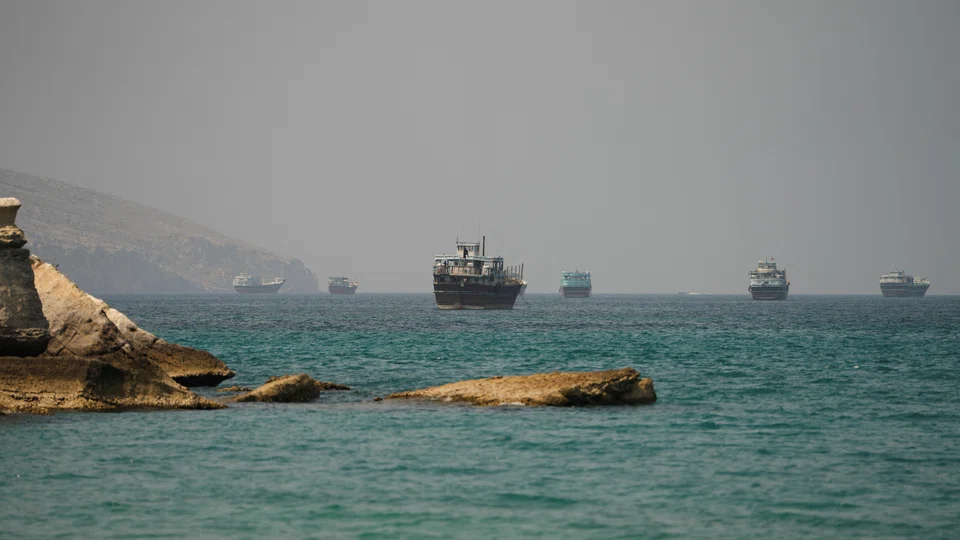
[NEW YORK] Oil prices fell about 1 per cent on Friday (Sep 25), as markets weighed the possibility of a truce between the US and Iran against concerns that increasing attacks against Saudi Arabia by Houthi fighters could disrupt supply from the Middle Eastern producer.
Brent futures were down US$1.14, or 1.1 per cent, at US$105.46 a barrel by 1403 GMT (Singapore time 10.03 pm), while West Texas Intermediate (WTI) crude fell US$1.05, also 1.1 per cent, to US$93.56.
That put Brent up about 2 per cent for the week and WTI, down about 7 per cent.
US and Iranian negotiators in New York are exploring a phased path out of war that would involve Teheran reopening the Strait of Hormuz and Washington lifting its economic blockade of Iran, sources close to the talks said.
In the Middle East, however, Saudi, Turkish and Pakistan military chiefs are to discuss help for Saudi Arabia, as it faces attacks by Yemen’s Iran-aligned Houthis.
“Diplomatic hopes are essentially helping oil prices weather the latest military strikes in the Middle East, with crude trading moderately softer despite the attacks,” said Tim Waterer, chief analyst at KCM Trade.
The Houthis have launched strikes on the Saudi-backed government in Yemen and repeatedly fired into Saudi Arabia, disrupting oil flows from the world’s largest energy exporter, as part of a wider Middle East war that began with US and Israel strikes against Iran on Feb 28.
Oil flowing
Crude oil flows out of the Strait of Hormuz reached 33.7 million barrels so far in the week starting Sep 20, preliminary ship-tracking data from Kpler showed on Friday, putting exports roughly on track with the previous week’s levels.
The traffic comprised 19 tankers, of which 17 are very large crude carriers that can carry two million barrels of oil, the data showed. Most of the tankers are laden with crude from Saudi Arabia, followed by Iraq.
SEE ALSO




Before the start of the Iran war, about 20 per cent of the world’s oil supplies moved through the strait.
In the US, Washington’s talk of a possible ban on diesel exports is widening the gap between US crude oil futures and the global Brent benchmark, signalling that markets expect US refiners to process less crude oil if their diesel output gets stuck at home.
The premium of Brent crude over WTI
Separately, David Perdue, US ambassador to China, said on Friday that US President Donald Trump made clear during talks with Chinese President Xi Jinping that Chinese help for Iran is unacceptable.
Any agreements to reduce trade tensions between the US and China could boost economic growth and demand for energy.
Russian and Ukraine
The US has proposed that the United Arab Emirates host a trilateral meeting with Ukraine and Russia to discuss efforts to end their 4½ year-long war, Ukrainian President Volodymyr Zelenskiy said on Friday.
A drone attack damaged the Novoshakhtinsk oil refinery in Russia, forcing it to suspend operations temporarily, governor Yuri Slyusar said.
Heavy drone strikes on Russian refineries come after discussions at United Nations headquarters in New York on a potential energy-related ceasefire between Kyiv and Moscow.
Any deal to end the Russia-Ukraine war could allow Russia to export more energy.
Russia, an Opec+ member, was the world’s third-biggest crude oil producer behind the US and Saudi Arabia in 2025, going by US energy data. REUTERS
Decoding Asia newsletter: your guide to navigating Asia in a new global order. Sign up here to get Decoding Asia newsletter. Delivered to your inbox. Free.
Share with us your feedback on BT's products and services






