

Higher palm oil prices lift outlook for SGX-listed planters ahead of Q2 results
Analysts say their earnings are likely to reflect bigger operating margins, with further upside expected in H2
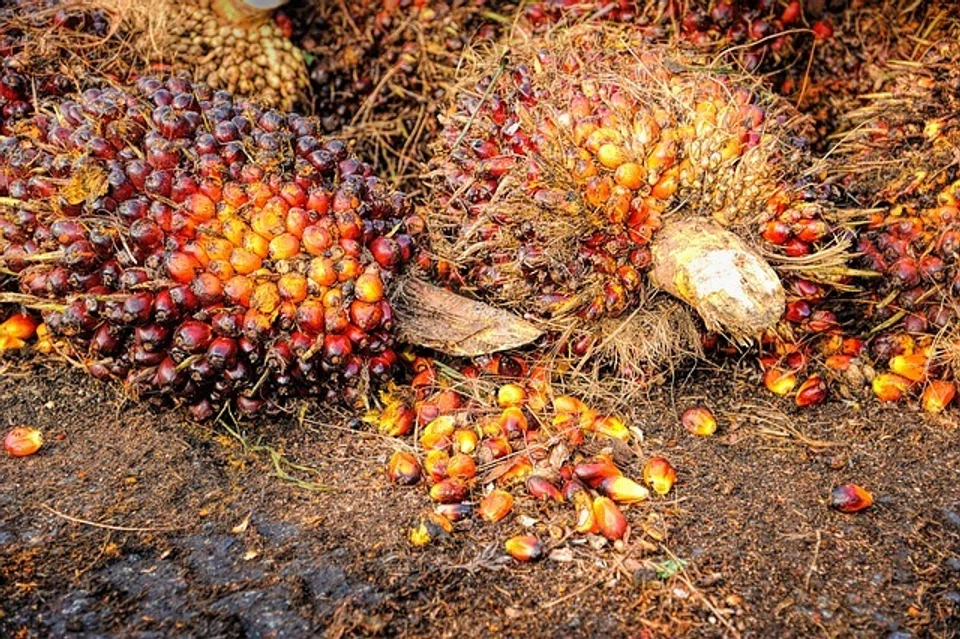
[SINGAPORE] Singapore-listed palm oil players are poised to report stronger second-quarter earnings as higher crude palm oil (CPO) prices lift plantation margins.
Analysts expect upstream-focused producers, including First Resources and Bumitama Agri , to benefit most from the rally in palm oil prices; integrated groups such as Wilmar and Golden Agri-Resources could have part of their gains offset by higher downstream feedstock costs.
The positive outlook comes as the price of palm oil futures have risen by around 17 per cent in the year to date, supported by tightening supply expectations from El Nino, Indonesia’s energy mandate and renewed concerns that the disruption to Red Sea shipping could lift crude oil prices and increase demand for palm oil-based biodiesel.
CPO futures climbed 14.8 per cent to RM4,749 a tonne between Mar 2, the first trading day after the Gulf crisis began, and Apr 3.
Since then, prices have retreated a little; they were down 2.3 per cent to RM4,640 a tonne as at 3.30 pm on Monday (Aug 3).
The Malaysia Palm Oil Board expects CPO to remain above RM4,000 a tonne in the short term, and average at between RM4,300 and RM4,500 a tonne in 2026.
Against this backdrop, Nirgunan Tiruchelvam, head of consumer and the Internet at Aletheia Capital, told The Business Times that he expects SGX-listed planters to outperform Bloomberg’s Q2 estimates for earnings before interest, taxes, depreciation and amortisation (Ebitda) by around 10 per cent.
However, analysts noted that supply chain disruptions linked to the Gulf crisis are driving up the cost of essential plantation inputs, such as fertiliser and diesel.
Upstream producer Bumitama Agri said during its Q1 business update that it had secured almost all of its full-year fertiliser needs, with costs expected to increase by 5 to 10 per cent.
OCBC analysts Ada Lim and Chu Peng noted that higher diesel prices could also pile on cost pressure. This is because palm oil plantations tend to rely heavily on diesel to power heavy machinery for the transportation of fresh fruit bunches and processed products.
Analysts said that the outlook for vertically integrated players such as Wilmar and Golden-Agri Resources is “more nuanced” as higher upstream contributions may be “partly offset” by increased raw material costs in their downstream business segments.
Golden Agri-Resources said it expects higher fertiliser costs for FY2026, which will in turn raise its plantation costs.
“However, it is still too early to quantify the final impact, given the current level of market uncertainty,” said OCBC’s Lim and Chu.
They noted that one of the largest components of Golden Agri-Resources’ fertiliser mix is locally sourced urea, which could help limit its exposure to global supply chain disruptions.
Bloomberg Intelligence analyst Alvin Tai said in a research note on Jul 30 that Wilmar’s Q2 Ebitda could beat last year’s on the back of higher soybean crush volume, coupled with better oil palm plantation earnings.
But he noted that higher fertiliser costs, potentially averaging about 13 per cent above the levels in December 2025, are “likely to offset some of the gains”.
What’s lifting palm oil prices?
Tiruchelvam noted that the prolonged Middle East conflict, including the Houthi rebels’ latest threat to blockade the Red Sea, is expected to push crude oil prices higher, making biodiesel blending more economical.
He estimates that a US$10 a barrel increase in Brent crude prices could lift CPO prices by 3 to 6 per cent in the near term.
Hoe Lee Leng, an analyst at RHB, noted that CPO prices have transitioned from being purely driven by supply and demand to being policy-driven, “particularly by energy mandates”.
Indonesia’s B50 policy – which calls for the blending of 50 per cent palm oil-based fuel with diesel and which took effect in July 2026, requires 18 million tonnes of CPO annually.
This represents over 35 per cent of the country’s total production and “effectively tightens the global supply”, said Hoe.
Meanwhile, the Malaysia Palm Oil Board expects the impact of the El Nino weather phenomenon to surface in the fourth quarter of 2026, with Malaysia expected to record a 2 to 4 per cent year-on-year decline in output this year.
Despite the tight supply, the board believes that the current catalysts of El Nino and B50 are “somewhat priced in” for this year, but there could be another CPO price spike in 2027, as lower production feeds through to the market.
A stronger H2
Looking ahead, industry observers expect the earnings momentum to continue into the second half.
Based on Tiruchelvam’s FY26/27 CPO price forecast of US$1,240 a tonne, the gross margin for a tonne of palm oil is around US$840 a tonne. After factoring in taxes and additional costs, this translates to a “phenomenal” operating margin of around 60 per cent, he said.
He reiterated a positive stance on SGX-listed plantations, noting that Bumitama Agri and First Resources are “best exposed to CPO price gains due to their young estates and high oil extraction rates”.
Indofood Agri Resources should also gain from stronger downstream refining spreads, he noted. The company on Friday posted a 31.6 per cent increase in net profit to 444.5 billion rupiah (US$24.6 million) for the first half ended Jun 30.
Similarly, OCBC’s Lim and Chu said the net earnings outlook for the sector is “constructive” for H2 2026.
In late May and early June, SGX-listed planters experienced a share sell-off after the Indonesian government unveiled plans to centralise exports of key natural resources through a state-owned enterprise, Danantara Sumberdaya Indonesia (DSI).
However, an executive of the fund overseeing DSI said in June that the entity “will not act as a trading middleman that buys commodities from producers and resells them overseas”.
“The scale-back of Indonesia’s centralised export control policy removes uncertainty over how the policy will be executed, allowing normal harvesting, processing and shipment to resume,” said Lim and Chu of OCBC.
They added that SGX-listed players would also be able to better maintain direct control over customer relationships.
“That being said, regulatory risks have increased, in our view, given the pace and unpredictability of recent regulatory changes.”
Decoding Asia newsletter: your guide to navigating Asia in a new global order. Sign up here to get Decoding Asia newsletter. Delivered to your inbox. Free.
Copyright SPH Media. All rights reserved.






