



Engagement, regulation and connectivity can keep Singapore competitive: SIIA report
Singapore Institute of International Affairs special report examines how the city-state can keep its edge

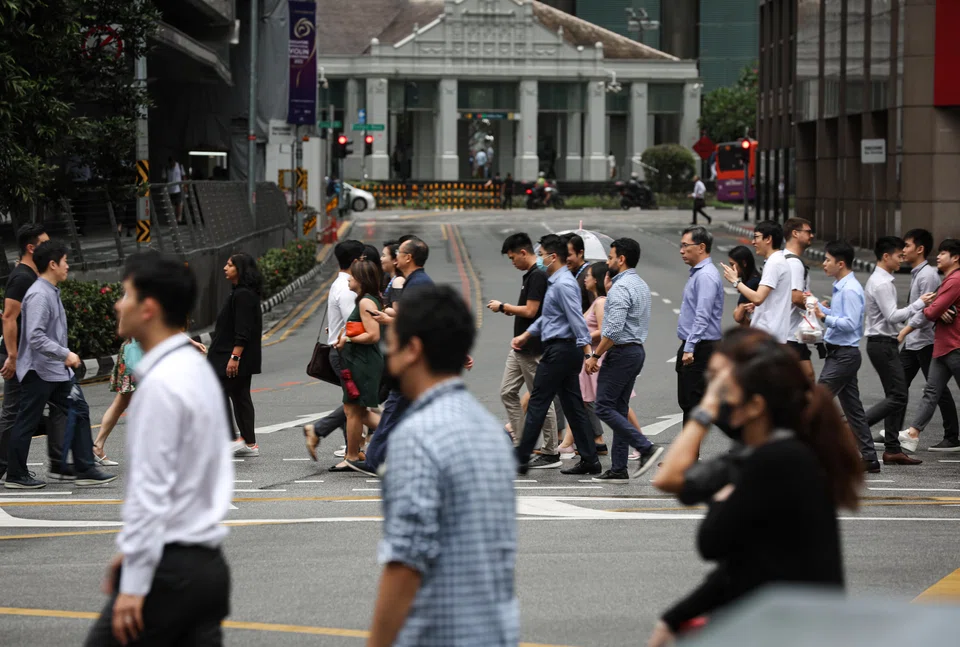
[SINGAPORE] The economy of Singapore has benefitted from the wave of globalisation and industrialisation in the decades since its independence in 1965. Yet in the last half-decade or so, the forces that have driven growth for Singapore have arguably been retreating, a development that the government is keenly aware of.
A special report published by the Singapore Institute of International Affairs (SIIA) on Monday (Aug 3) gave several recommendations that could ensure the city-state retains, and even grows, its competitiveness even in the face of geopolitical friction, climate change and shifting supply chains.
The report, titled Tested Through Turmoil: Advancing Singapore’s Competitiveness with Asean, drew on the SIIA’s analysis and insights from discussions with representatives from multinational corporations (MNCs). These discussions are collectively called the Competitiveness Commission (CompCom). The CompCom discussions were convened in association with the Singapore government-led Economic Strategy Review.
The report was launched at the SIIA’s Asean and Asia Forum. The Business Times is the official media partner of the event.
“This report underlines a simple but important point: A stronger Asean is good for Singapore. The task ahead is to strengthen Singapore’s own capabilities while working with the region to form a competitive ecosystem,” said Simon Tay, chairman of SIIA and director of the report.
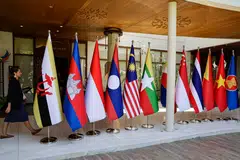
The report argues that Singapore’s competitiveness lies not only in strengthening domestic capabilities but also on deepening its international and regional relations, especially with Asean.
It laid out several recommendations that could be grouped into efforts revolving around engagement, regulation and connectivity.
For instance, it called for strengthened public-private engagement with MNCs. For example, close engagement with MNCs can help inform how artificial intelligence is reshaping the workforce. This could then advise the development of apprenticeship programmes or training that could help the resident workforce, especially young people and new graduates.
Continued ongoing exchanges between policymakers and senior leaders at MNCs can also provide opportunities to draw these MNCs to make investments in the city-state that contribute to national priorities.

The report also noted there is an avenue for Singapore to take the lead in regulation of new technologies. It called on Singapore to develop further regulations for governance of AI and data, and these regulatory and governance frameworks can include legal liability, ethics and data sovereignty.
Domestically, the report also noted that there is scope to explore regulatory frameworks on new workforce trends such as fractional employment. These frameworks are needed so that employment passes and taxes can adapt to new types of workers and jobs. The report also added that the government could consider measures to help businesses manage the increases in carbon tax.
At the regional level, the report called on Singapore-based investors to deepen their understanding of policies and politics of governments in the region to help support and build regional supply chains so as to increase the competitiveness of neighbour economies in tandem with Singapore.
Singapore’s links to Johor, and the Riau and Sumatra islands of Indonesia should also be deepened to support initiatives such as the Johor-Singapore Special Economic Zone and the economic corridor between Singapore and the Riau islands of Batam, Bintan and Karimun.
The city-state should also continue to leverage its reputation on connectivity, and further strengthen its reference as a market and living lab. This can be done by constantly piloting solutions and aligning regulations to enable products and services tested in Singapore to be deployed internationally.
These recommendations, which are released in detail in the report, are aimed at overcoming four key challenges that Singapore is increasingly dealing with.
These challenges revolve around workforce and training; rising costs that include energy, carbon and the generally higher cost of conducting business in Singapore compared to its neighbours; a lack of local entrepreneurship and risk-taking; and complaints of difficulties from some MNC C-suite executives about the challenges of communicating with the government on issues.
Decoding Asia newsletter: your guide to navigating Asia in a new global order. Sign up here to get Decoding Asia newsletter. Delivered to your inbox. Free.
Copyright SPH Media. All rights reserved.
TRENDING NOW

Malaysian king buys stake in Singapore-listed mining firm expanding into rare earths

Family offices ‘kept captive’ by relationship managers turn to independent advisers, direct deals

Once staunchly pro-China, Malaysian Chinese businesses are now distancing themselves from Beijing

Could stablecoins be the future of money?

