

China ‘actively committed’ to US-Iran peace talks as tensions rise
This comes shortly before Washington is due to unveil plans to economically isolate the Islamic Republic on Aug 24
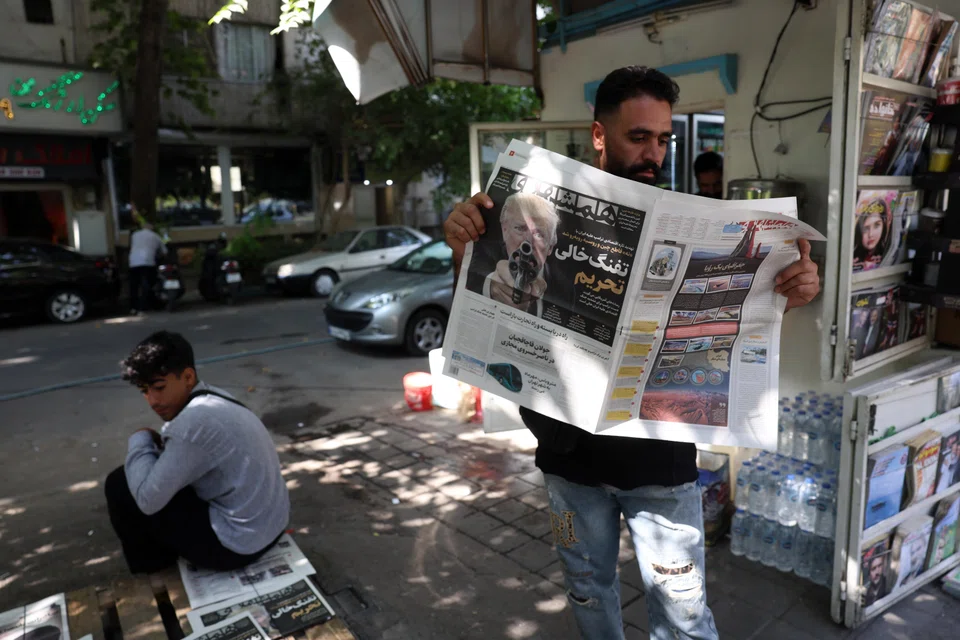
CHINA said it continues to support a diplomatic end to the US-Iran war, in a delayed statement released shortly before Washington is set to unveil measures to punish Teheran’s economic partners.
“China is closely monitoring the situation in the Middle East and is actively committed to promoting peace talks,” Vice-Foreign Minister Miao Deyu said at talks with Iran’s Deputy Foreign Minister Kazem Gharibabadi in Beijing on Aug 17, according to a statement published on Sunday (Aug 23).
China’s Ministry of Foreign Affairs did not previously disclose the meeting and provided no explanation for the time lag in making it public almost a week later.
The timing is notable because it comes a day before US Treasury Secretary Scott Bessent is set to unveil a plan designed to shift the conflict from tit-for-tat strikes across the Middle East to full-blown economic isolation.
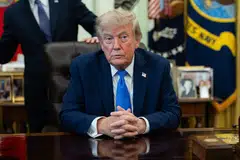
US President Donald Trump earlier threatened Iran and its trading partners after months of military strikes and a maritime blockade failed to force Teheran to capitulate.
China buys the bulk of Iran’s oil and was its second-largest trading partner in 2025, behind the United Arab Emirates, which has said it cut all economic ties with Teheran after accusing it of firing ballistic missiles at its territory.
Beijing responded to Trump’s comments by saying sanctions and pressure would not work and called for a diplomatic resolution.
Iran said Trump’s threats were a “diversion” from America’s crises of unprecedented debt and surging interest costs.
Any move by Trump to increase economic pressure on China over Iran could put further strain on bilateral ties just weeks ahead of a planned visit to Washington by Chinese leader Xi Jinping.
The war is having an indirect impact on the summit, said Wu Xinbo, director of Fudan University’s Center for American Studies and a former adviser to China’s Foreign Ministry.
Planning for the event was not progressing as smoothly as the Chinese side might like, he said.
“I think it has been too much disrupted by the Iran issue,” Wu said.
The Foreign Ministry statement released on Sunday said Gharibabadi briefed Chinese officials on developments in the Gulf and presented Iran’s position.
While Teheran is “willing to continue resolving issues through diplomatic negotiations”, he said Iran will act “firmly” in defending its sovereignty and security interests.
“Iran looks forward to deepening cooperation with China in various fields and advancing bilateral relations,” the statement cited him as saying.
“Iran appreciates China’s upholding of justice and fairness and looks forward to China playing a greater role in maintaining regional peace and stability.”
Beijing does not recognise unilateral sanctions, but its state-owned entities generally avoid blacklisted oil.
China’s biggest state banks also have a history of complying with US sanctions against Iran, North Korea and even top officials in Hong Kong to avoid losing access to the US dollar-clearing system.
Washington has sanctioned some Chinese teapot refineries and firms since the US launched the war against Iran in late February. But so far, Washington has stopped short of targeting the major Chinese banks that finance the trade.
In May, China ordered domestic companies not to comply with US sanctions on five refiners, while its biggest banks were caught between Beijing’s directive and the risk of losing access to the US financial system. BLOOMBERG
Decoding Asia newsletter: your guide to navigating Asia in a new global order. Sign up here to get Decoding Asia newsletter. Delivered to your inbox. Free.
Share with us your feedback on BT's products and services
TRENDING NOW

Government to bring forward raising of retirement age, give employers more financial support to create flexi-load jobs
Former minister Maliki Osman, Revolut chairman join Asia Gulf Holdings advisory board

Is Manila Asia’s new dining hot spot?
Simba at risk of losing operating licence over spectrum misuse

