

China’s Guangdong industrial hub faces gas price shock as Iran war tightens supply
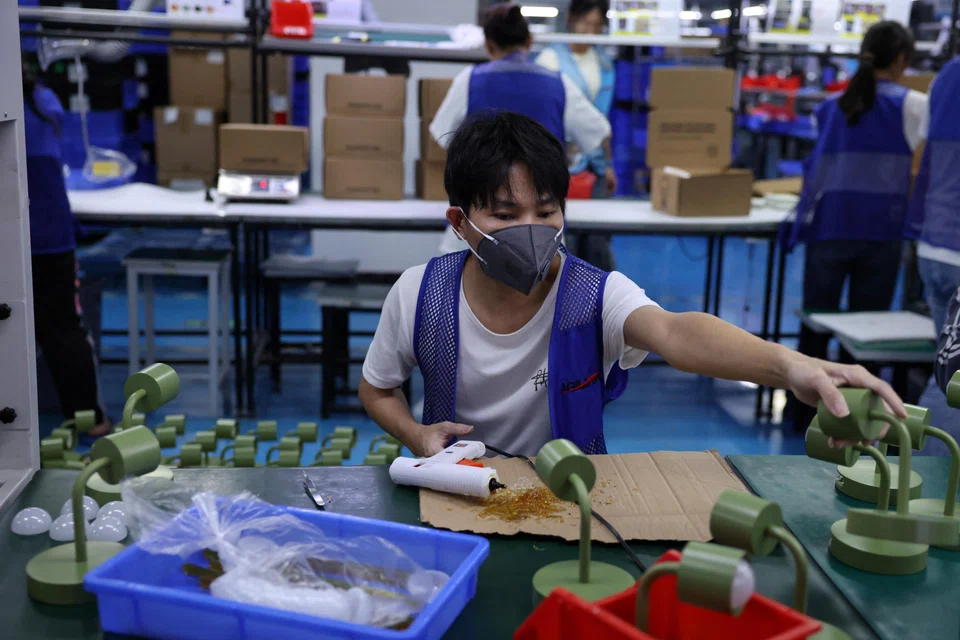
THE Chinese industrial hub of Guangdong, an economic powerhouse comparable in size to South Korea, has seen some electricity prices almost double due in part to constraints on the supply of natural gas from the Middle East.
The coastal province hosts the country’s largest fleet of gas-fired power stations, leaving it particularly vulnerable to a war that has choked-off shipments from the Persian Gulf. Spot rates climbed to nearly 680 yuan (US$100) per megawatt-hour on Apr 14 – a three-year high – from an average of around 350 yuan in March.
Guangdong’s industrial users have locked in about 80 per cent of their electricity needs at far lower prices via annual contracts, said Sharon Feng, special advisor at Azure International, a green energy consultancy. But the spot market is a crucial venue for generators to meet fluctuations in daily demand. Tighter gas supply is among the factors dragging prices higher.
“Spot transactions, even as a small portion of total supply, play a critical role in anchoring pricing for monthly and long-term contracts,” she said. “Gas-fired generation, while limited in scale, can materially influence system pricing by setting the marginal clearing price when dispatched.”
Firmer industrial demand for power, a warmer-than-normal spring and seasonal maintenance at coal-fired plants are other variables contributing to the market’s imbalance, according to analysts.
Pricier LNG
Guangdong has spearheaded China’s electricity market reforms, and requires all of its generators to compete through the province’s power exchange.
Even before the conflict, seaborne liquefied natural gas (LNG) was a more expensive option for producing electricity. Current LNG deliveries to Guangdong have fallen nearly 40 per cent from the same time in 2025, according to ship-tracking data compiled by Kpler. The upshot is that gas now costs over 60 per cent more than renewable sources, according to the power exchange.
Local power giant Guangdong Energy Group has a 10-year contract to buy LNG from QatarEnergy, a deal that has been suspended since the Strait of Hormuz was effectively blocked to traffic. Gas power accounted for about 22 per cent of the province’s total capacity, according to BloombergNEF.
Guangdong is also home to about one fifth of China’s gas import facilities. Those terminals are increasingly likely to fall idle as the province leans more heavily on coal, the country’s main power source, to meet peak summer demand, said Penny Chen, a senior director at Fitch Ratings.

Electricity consumption in the export-oriented province rose 7.6 per cent in the first quarter, reflecting a recovery in industrial demand and strong growth in the data centres that serve artificial intelligence. That is testing the local government’s ability to shield the economy from inflation risks arising from the Iran war.
Measures taken so far include capping gas use and replenishing coal stocks. Efforts to accelerate the province’s nuclear build-out, in particular, should forestall the possibility of blackouts this summer, said Azure’s Feng. The first of two new reactors scheduled in Guangdong in 2026 began operating on Apr 20.
But the possibility of a strong El Nino and hotter weather in the summer is an additional threat to the grid’s stability, at a time when electricity demand usually spikes because of air-conditioning use.
On the wire
China’s long-term push for energy security has built a moat around its industrial core, according to Bloomberg Economics.
An unexpected deterioration in China’s labour market has reached the key demographic of early-career workers, as seasonal pressures amplified spillovers from the war in Iran while wider use of artificial intelligence raises risks for employment.
Gotion High-Tech, a major Chinese battery manufacturer, is seeing a renewed global focus on the green transition as fossil fuel disruptions due to the Iran war drive demand for clean-energy technology.
German Chancellor Friedrich Merz is dispatching his economy minister to China in May as officials in Berlin grow increasingly concerned over a widening trade deficit, access to raw materials and regulation of artificial intelligence. BLOOMBERG
Decoding Asia newsletter: your guide to navigating Asia in a new global order. Sign up here to get Decoding Asia newsletter. Delivered to your inbox. Free.
Share with us your feedback on BT's products and services
TRENDING NOW

Once staunchly pro-China, Malaysian Chinese businesses are now distancing themselves from Beijing

Looking beyond looming CEO succession, should UOB potentially pursue a transformative merger?

Could stablecoins be the future of money?

Grab CEO’s wife Chloe Tong on life with Anthony Tan and finding her purpose

