Effects of Iran conflict will become more serious in coming months, says Apac airline group
Governments and airlines must cooperate closely, says head of Association of Asia Pacific Airlines

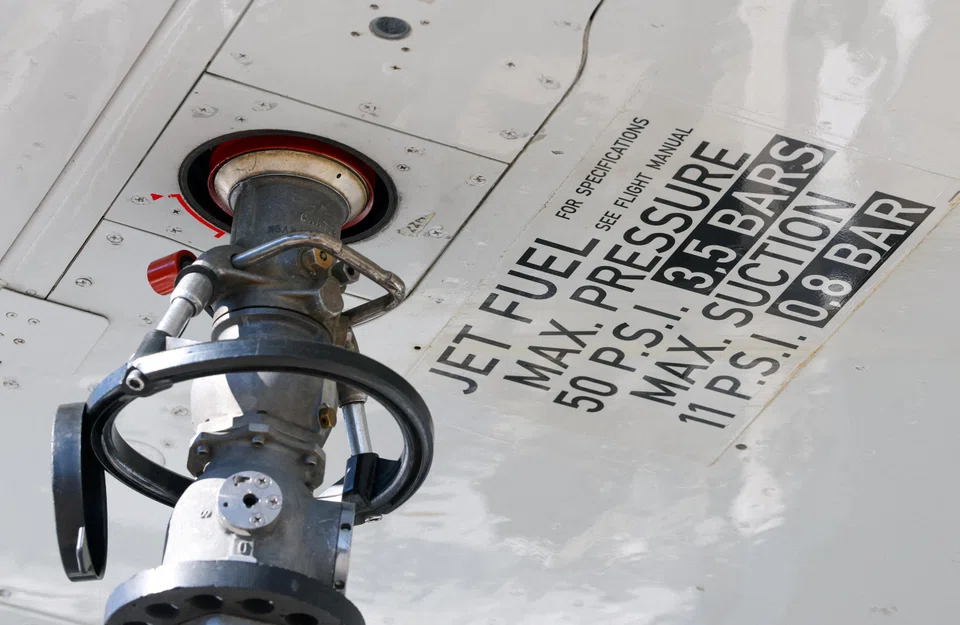
[SINGAPORE] The effects of the Iran conflict on aviation in the Asia-Pacific region will become more serious over the next few months, including rising airline costs and ticket prices as well as inflationary pressures that could reduce demand for air travel.
“If (fuel prices) continue like this or get worse, you’re going to see inflation getting down to consumers, everything starts to get more expensive,” said Wong Hong, director-general of the Association of Asia Pacific Airlines (Aapa).
“Then it’s a situation where demand is going to be affected.”
In an interview with The Business Times in Singapore, he said: “For the first quarter of 2026, we’ve seen the (airlines’) results and there is not much impact, because we haven’t really seen the effects.
“From the second quarter, we will start to see more and more of it.”

Wong, 59, assumed leadership of the trade association in April. He is a longtime industry executive and has held roles in Singapore Airlines, Delta Airlines and cargo handler Sats, as well as global airline trade body the International Air Transport Association.
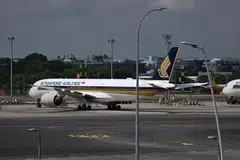
Aapa has 18 members including major carriers such as Singapore Airlines, Cathay Pacific and Thai Airways.
Feeling the pain
Wong said that the full effects of the conflict and skyrocketing oil and jet fuel prices will start to be seen in the region’s aviation sector as the effects of hedging by airlines begin to wear off.
Most airlines typically hedge a proportion of their fuel costs – which is usually the largest single cost for airlines, at around 30 to 40 per cent of the total – and foreign exchange using futures and options.
SEE ALSO

“But not every airline hedges. Those that do will have an advantage, but in a few months the advantage will wear off and everyone will be playing on the same level,” said Wong.
In the US, where most carriers do not hedge on fuel, low-cost airline Spirit Airways shut down on May 2 after failing to secure a bailout. Wong said it was difficult to tell if a similar situation could happen in the region.
“Airlines which are in financial trouble won’t publicise their position. (In Asia) it’s a whole spectrum of carriers in different financial positions, some are better prepared, some have buffers, some do not,” he said.
Jet fuel prices crept towards US$200 a barrel last week. Meanwhile, analysts have begun to revise profit outlooks on airlines as these costs eat into margins.
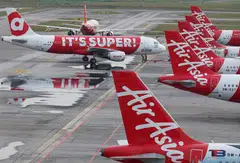
Regional airlines have been cancelling flights and adding fuel surcharges to cope since March, with a new wave announced last week by Air Asia, Air New Zealand, Air India and Air China as fuel prices spiked.
“Costs have really gone up and the net result is some airlines have already said they have no choice (but to pass on costs) because the airline business is usually single-digit margins,” Wong said.
“Airfares have gone up, but they’ve only probably defrayed a portion. It’s not possible to cover all those costs. There is pain, and airlines are feeling it.”
On the recent flight cuts, he said that carriers would be looking carefully at their operations, including trimming unprofitable routes as well as considering other business arrangements including tankering, which is the practice of buying more fuel than is necessary for a trip at a cheaper source.
Post-summer dip could worsen
Wong cautioned that greater effects may be on the horizon: High oil and energy costs could drive inflation, reduce spending power and result in lower demand for air travel.
With inflation hitting hard, consumers might decide to cut back on holidays and that could also coincide with the end of the seasonal air travel peak in summer, which usually spans June to August.
“My sense is, we have to watch demand as inflation will definitely impact it. The question is, how fast? And coupled with the supply side in the next six months, how is supply going to be resolved?”
While many challenges remain, Wong said airlines have “no shortage of ways of dealing with crises” and have to remain adaptable – though there are limits to what they alone can do.
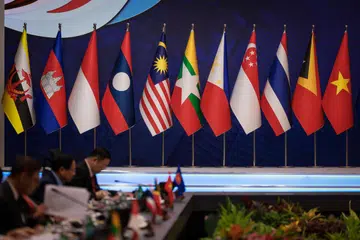
He called on governments to work with carriers, citing Asean’s move to create a regional fuel stockpile, as well as Malaysia’s recent efforts to help its domestic aviation industry.
On May 16, Malaysia’s Ministry of Transport announced financial support and targeted incentives to stabilise domestic air travel with RM5 million (S$1.6 million) for ticket rebates, extensions on payment of navigation fees and exemptions from aircraft parking fees, among other things.
While these moves may not be large in terms of defraying costs, “everything adds up”, said Wong, who stressed a “close understanding with the government to see what can be done from a policy perspective”.
He said that the Asia-Pacific’s carriers have a silver lining at least, as demand has been boosted by the restrictions on some Middle East air hubs, and the long-term outlook for the region as the largest and fastest growing aviation market in the world remains.
But he cautioned that the problems facing airlines and aviation are mounting, so cooperation among the carriers and governments is vital.
“The problem we have now is of falling into a false sense of complacency, because everything seems to be going okay… I don’t think airlines are asking for immediate handouts.
“But this is a unique situation – it is a real crisis.”
Decoding Asia newsletter: your guide to navigating Asia in a new global order. Sign up here to get Decoding Asia newsletter. Delivered to your inbox. Free.
Copyright SPH Media. All rights reserved.