


US readies tariff hike on China, EU goods as soon as Tuesday
The exact scope of products covered by the new tariffs and their effective date remain unclear
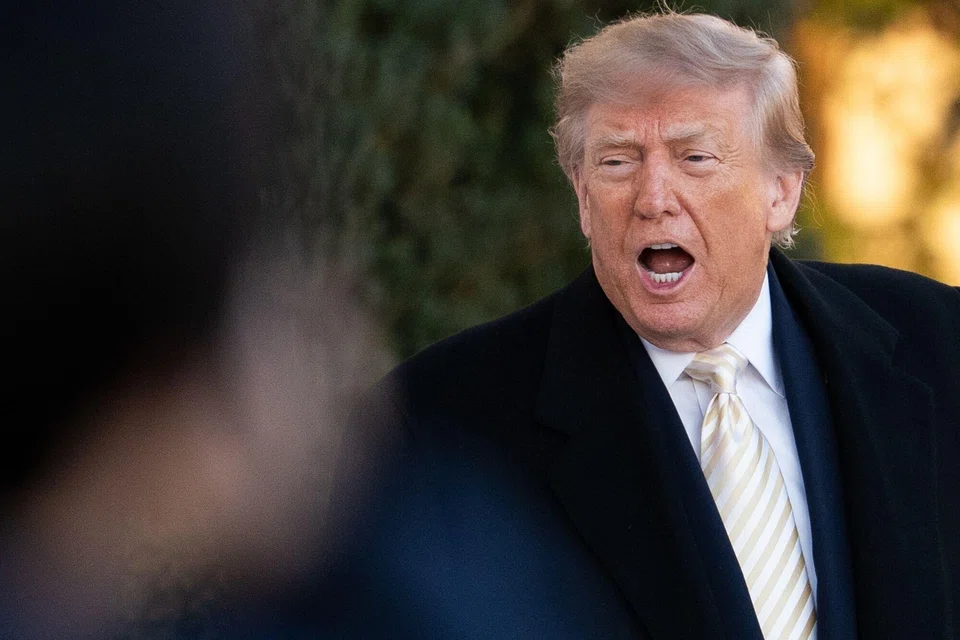
THE US is set to announce as soon as Tuesday (Dec 1) plans to raise tariffs on goods from China, the European Union and more than a dozen other economies, according to people familiar with the matter, as the Trump administration moves to replace levies struck down by the Supreme Court.
The duties are expected to target economies accused of hurting American industry by subsidising their domestic manufacturers.
The Office of the US Trade Representative is expected to conclude its investigation into excess manufacturing capacity under Section 301 of the 1974 Trade Act, which allows the president to unilaterally impose tariffs to address unfair economic practices.
The additional tariffs won’t lead to an overall rate that exceeds the agreed-upon levels in individual trade deals, including the pacts President Donald Trump negotiated with the EU and China, people familiar with the details said.
They will be specific to each country, rather than a blanket rate, said the people, who requested anonymity to discuss the details before they were announced.
Imports targeted for tariffs will be largely manufactured goods, according to one of the people. The tariffs on Chinese products are expected to be broader in nature than charges on items from other economies and will lack exemptions, though they will be within the bounds of the trade truce President Xi Jinping reached with Trump last year in South Korea, the person said.

The excess capacity probe is “a legacy item for this administration,” said Ryan Majerus, partner at King & Spalding in Washington. The issue has long been a target of steel lawyers seeking to investigate what they see as unfair dumping into the US. That focus has now expanded to other industries.
Midterm setback
“They view this as probably the most impactful tariff action they will take. That being said, of course, the midterms have certainly thrown a wrench into things in terms of their overall thinking,” Majerus said.
SEE ALSO

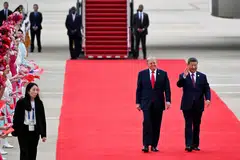
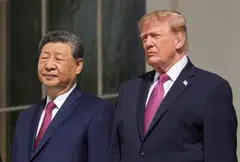
The exact scope of products covered by the new tariffs and their effective date remain unclear.
The Wall Street Journal reported earlier the announcement could come as soon as this week. Trump has frequently changed course on his trade policies and the timing could change.
If the goal is to return tariffs to levels set before Trump’s Supreme Court loss, “the newest tariffs could be an additional 2 per cent to 7.5 per cent,” Deborah Elms, head of trade policy at the Hinrich Foundation in Singapore, posted on LinkedIn.
The White House did not immediately respond to requests for comment. USTR declined to comment.
Fresh tariffs could further anger Americans who dealt Trump’s Republican Party a stinging blow in the November midterm elections in large part due to frustrations with the cost of living.
The administration’s analysis today is going to be “kind of red meat for Democrats in terms of the folks that are critical of the tariff policy,” Majerus said.
It also comes at a precarious time for the president, who is facing blowback over his efforts to push for Jensen Huang’s reinstatement at Nvidia, following revelations he had an extramarital affair with a suspected Chinese spy.
But Trump has appeared unbowed by Democrats’ landslide victory, digging in his heels on his core economic policies.
The president has argued that his levies have aided American manufacturers and attracted new investment to the US. Fresh charges on Chinese products could also give him fodder to rebut criticism he’s been soft on China.
US Trade Representative Jamieson Greer has said China, the EU and the other targeted economies have overwhelmed American producers by flooding the market with cheap exports.
In an interview with Bloomberg Television last week, Greer said he expected to conclude the excess capacity probe “very soon.”
USTR started the trade investigation in March after the Supreme Court struck down Trump’s previous global tariffs.
In July, the administration moved to apply levies of between 10 per cent and 12.5 per cent on goods from some 60 economies following an inquiry into their alleged failure to crack down on forced labour. Those duties are facing a legal challenge at the Court of International Trade. BLOOMBERG
Decoding Asia newsletter: your guide to navigating Asia in a new global order. Sign up here to get Decoding Asia newsletter. Delivered to your inbox. Free.
Share with us your feedback on BT's products and services
TRENDING NOW
Singapore telco recovery at least 2 years away despite StarHub-M1 merger, say analysts
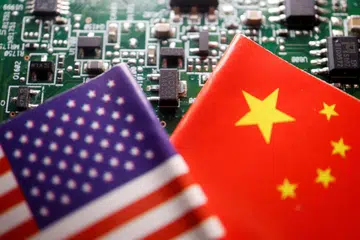
US chip controls to hit Asean data centre boom; lenders, China AI players exposed: Natixis

Prive liquidators meet with creditors a year after restaurant group’s shutdown
Huang apologises to Nvidia staff, says he’s in daily therapy

