

Iran wants to bar US, Israeli ships from Hormuz in peace accord
The Islamic Republic also seeks to require compensation from hostile countries before they are allowed to use the waterway
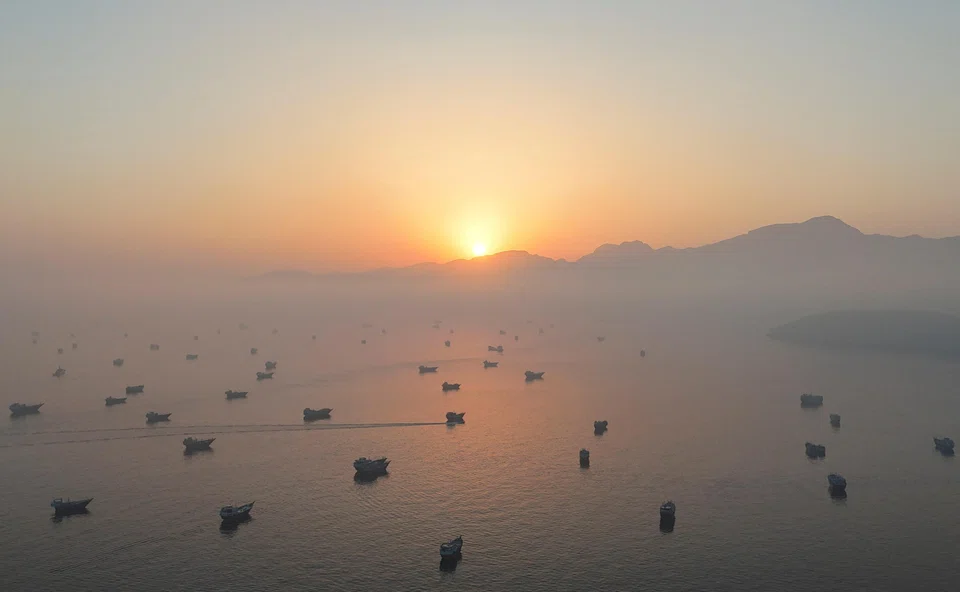
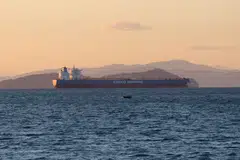
[LONDON] Iran will seek to bar US and Israeli ships from the Strait of Hormuz and require compensation from hostile countries before they are allowed to use it, according to local media reports on a proposed Iran-Oman deal to manage the crucial waterway.
The agreement has become key to expectations for a reopening of Hormuz and a resumption of energy flows that have been throttled since the US and Israel attacked Iran in February.
“That’s clearly not going to go down well in Washington,” said Thomas Warrick, a former State Department official who is now a nonresident senior fellow at the Atlantic Council. “Instead of both sides making concessions, both sides are increasing demands.”
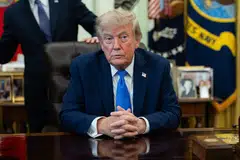
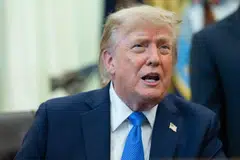
But when asked during a White House event on Thursday (Aug 6) evening about the negotiations, US President Donald Trump responded: “Moving along good.”
There are not many US- or Israeli-flagged commercial ships globally, and few have sailed in and out of the Persian Gulf since the war started.
It remains to be seen how broadly Iran might interpret such a ban, as the complex nature of vessel ownership and management means some shipping companies with US or Israeli ownership or investment could be viewed as having links to those countries.
In any event, Trump would be unlikely to agree to such a concession after months of insisting that American armed forces had essentially defeated Iran.
Midterm elections that will determine control of both houses of Congress are just months away, and polls have found that the war has become deeply unpopular.
The text of the agreement is now under review in Iran’s parliament, the semi-official Fars news agency said. Fars reported other details including a proposed ban on cargo related to Israel, and a fee structure covering services like insurance and environmental costs.
SEE ALSO
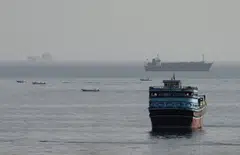

Separately, Fars said Iranian naval forces had struck “hostile targets” at the entrance to the Strait of Hormuz, citing an unnamed source and without giving additional details.
Oil extended gains after reports that Iran sought to keep US ships out of the strait and reports of Iranian attacks in the critical waterway. Brent rose above US$83 a barrel, after gaining almost 4 per cent in the previous session, while West Texas Intermediate was near US$78.
Both US and Iranian officials have been signalling in recent days that some kind of accord on Hormuz is close.
Trump, who stepped back from his most recent threats to resume military attacks on Iran, said earlier on Thursday that the US was involved in negotiations, but declined to say whether an agreement had been reached.
“We control it, but they can always shoot something,” Trump said of the vital waterway earlier on Thursday.
Many previous claims of an imminent deal have proven unfounded, and it is not clear if the Iran-Oman proposals will be enough to get traffic flowing again.
On Thursday, a key Iranian negotiator mocked the White House for repeatedly making threats and then climbing down, calling it “theatre diplomacy on loop”.
The US has insisted on free transit through Hormuz, and broadly called for a return to the pre-war status quo.
Any temporary routes through the strait will not be subject to approvals, permissions, tolls or charges, a US official said on Thursday in response to reports on the latest proposals.
Teheran says a full reopening would require the lifting of the American maritime blockade.
And the US has not indicated whether it is ready to go back to the terms it accepted under the last effort to reopen the strait, a June agreement that broke down within weeks.
Those included waiving oil sanctions on Iran and unfreezing some of its frozen financial assets.
Fars, citing an informed source at Iran’s Foreign Ministry, said the draft agreement with Oman foresees Iranian management over the entry of vessels into Hormuz, with the exit being overseen jointly by both countries.
They envisage transit through a “central corridor”, with traffic via the two other routes that are currently in limited use to cease within a “specified timeframe”, the agency reported.
Ships moved freely through Hormuz before the war. An accord easing transit would relieve mounting pressure on the global economy from higher energy costs and could open the way to talks on other issues, including Iran’s nuclear programme.
Other potential obstacles to a durable peace deal have emerged as the war spread across the region.
Those include clashes between Saudi Arabia and the Houthis, an Iran-backed militia that controls much of Yemen.
The Yemeni group said it launched a “large-scale” attack against Saudi-aligned troops in the country’s central region on Thursday, claiming to have killed and injured hundreds.
The Associated Press said earlier that at least 30 troops of Yemen’s internationally-recognised government had been killed in the strikes, citing officials from the government.
The Saudi-led coalition in Yemen also said the militant group fired projectiles across the Saudi border into the region of Najran, close to Yemen’s northern border.
The Houthis and the Saudi-led coalition have observed a ceasefire since 2022, but hostilities have erupted in recent weeks, including in the Red Sea.
The conflict between Israel and Iran-backed Hizbollah in Lebanon also shows signs of flaring up again. The June truce agreement between the US and Iran required a ceasefire in Lebanon too.
Any new deal on the Strait of Hormuz would have to be approved by Iran’s Supreme Leader Mojtaba Khamenei, who has been in hiding since being injured in the initial US-Israeli attacks in February.
It is unclear if he has given his consent and Iranian officials have said that communicating with him takes time.
On the US side, after Trump called off what he said was going to be a massive new attack on Iran, the Washington Post reported that a shortage of key missiles and air defence systems was among the reasons.
Trump has denied there being any shortages.
In Hormuz, visible traffic through the strait has been limited.
Middle Eastern producers have ferried cargoes out of the Gulf as part of a shuttle programme involving help from the US military and vessels turning off their transponders. BLOOMBERG
Decoding Asia newsletter: your guide to navigating Asia in a new global order. Sign up here to get Decoding Asia newsletter. Delivered to your inbox. Free.
Share with us your feedback on BT's products and services
TRENDING NOW

Prima to move out of historic Keppel Road flour mill building in 2028

Grab CEO’s wife Chloe Tong on life with Anthony Tan and finding her purpose

OCBC sheds S$8 billion in value as shares close nearly 6% down; analysts cautious on banks

As Asia’s food delivery giants rejig the pie, who will win the market?

