Trump unhappy with Iran’s latest proposal to end the war
Washington has said nuclear issues must be dealt with from the outset
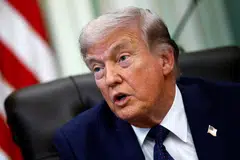
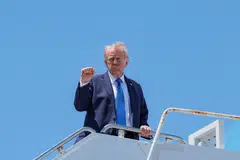
[DUBAI/WASHINGTON] US President Donald Trump is unhappy with the latest Iranian proposal on resolving the two-month war, a US official said, dampening hopes for resolution of a conflict that has disrupted energy supplies, fuelled inflation, and killed thousands.
Iran’s latest proposal would set aside discussion of Iran’s nuclear programme until the war, on hold following a ceasefire announced earlier this month, is ended and disputes over shipping from the Gulf are resolved.
Trump is unhappy with Iran’s proposal as he wants nuclear issues dealt with from the outset, said a US official briefed on the president’s Monday (Apr 27) meeting with his advisers, speaking on condition of anonymity.
White House spokeswoman Olivia Wales said the US has “been clear about our red lines” as it seeks to end the war it began in February alongside Israel.
A previous agreement in 2015 between Iran and multiple other countries including the US sharply curtailed Iran’s nuclear programme, which it has long maintained is for peaceful, civilian purposes. But that deal fell apart when Trump unilaterally withdrew from it in his first term in office.
Hopes of reviving peace efforts have receded since the US president scrapped a visit planned for last weekend by his special envoy Steve Witkoff and son-in-law Jared Kushner to mediator Pakistan.
Iranian Foreign Minister Abbas Araqchi shuttled in and out of Islamabad twice during the weekend. He also visited Oman and on Monday went to Russia, where he met President Vladimir Putin and received words of support from a longstanding ally.
Iran’s Deputy Defence Minister Reza Talaei-Nik said on Tuesday that Teheran was ready to share defensive weapons capabilities and experiences gained from “America’s defeat” with “independant” nations including those of the Shanghai Cooperation Organisation. That bloc includes Iran, Russia, China, India, Pakistan and Central Asian states.
Oil prices rise again
With the warring sides still seemingly far apart, oil prices resumed their upward march, rising nearly 3 per cent on Tuesday and extending gains from the previous session.
SEE ALSO
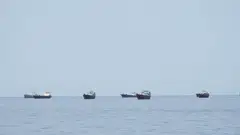
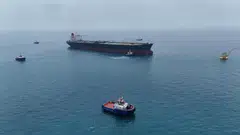

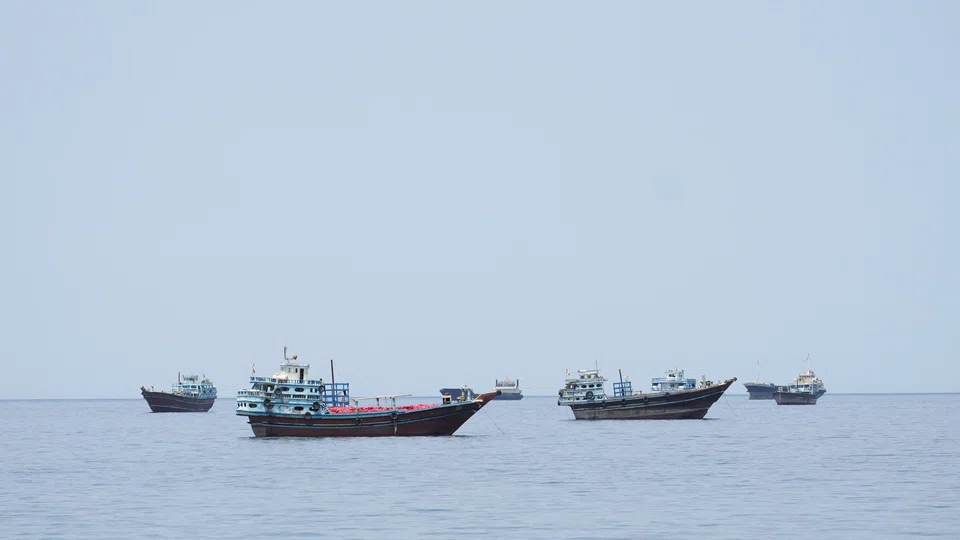
“For oil traders, it’s not the rhetoric that matters any more, but the actual physical flow of crude oil through the Strait of Hormuz, and right now, that flow remains constrained,” Fawad Razaqzada, market analyst at City Index and FOREX.com, said in a note. At least six tankers loaded with Iranian oil have been forced back to Iran by the US blockade in recent days, ship-tracking data showed, underscoring the war’s impact on traffic.
Iran’s foreign ministry condemned US action against Iran-linked tankers as “outright legalisation of piracy and armed robbery on the high seas”, in a social media post.
However, government spokesperson Fatemeh Mohajerani told state media on Tuesday that Iran had prepared for maritime blockade scenarios as early as the US 2024 presidential election and made necessary arrangements so that “there is nothing to worry about”.
She added Teheran was using northern, eastern and western trade corridors that do not rely on Gulf ports to neutralise the blockade’s effects.
Between 125 and 140 ships usually crossed in and out of the strait daily before the war, but only seven have done so in the past day, according to Kpler ship-tracking data and satellite analysis from SynMax, and none of them were carrying oil bound for the global market.
With his approval ratings falling, Trump faces domestic pressure to end a war for which he has given the US public shifting rationales.
Senior Iranian officials, speaking on condition of anonymity, told Reuters the proposal carried by Araqchi to Islamabad over the weekend envisioned talks in stages, with the nuclear issue to be set aside at the start.
A first step would require ending the US-Israeli war on Iran and providing guarantees that the US cannot start it up again. Then negotiators would resolve the US Navy’s blockade of Iran’s trade by sea and the fate of the Strait of Hormuz, which Iran aims to reopen under its control.
Only then would talks look at other issues, including the longstanding dispute over Iran’s nuclear programme, with Iran still seeking some kind of US acknowledgement of its right to enrich uranium. REUTERS
Decoding Asia newsletter: your guide to navigating Asia in a new global order. Sign up here to get Decoding Asia newsletter. Delivered to your inbox. Free.
Share with us your feedback on BT's products and services