



US could restart Iran strikes ‘if they misbehave’, says Trump
He said on May 1 that ‘on a human basis’, he did not prefer the military course of action
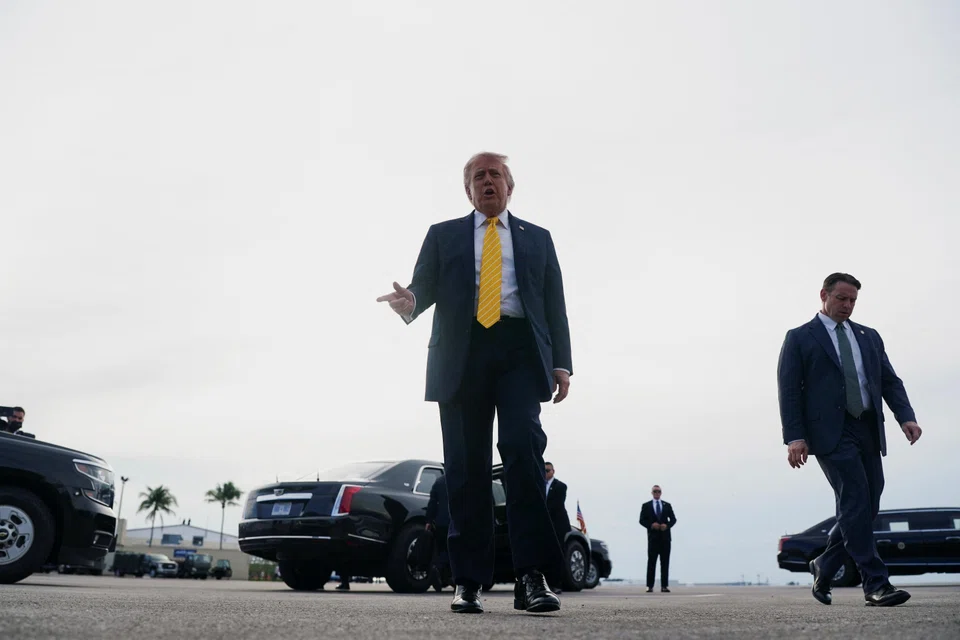
[WEST PALM BEACH, FLORIDA/DUBAI] US President Donald Trump said on Saturday (May 2) he had been told about the concept of a deal with Iran, but was waiting for the exact wording, while warning there was still the possibility of restarting strikes on the country if Teheran misbehaves.
A senior Iranian official said on Saturday that an Iranian proposal so far rejected by Trump would open shipping in the Strait of Hormuz and end the US blockade of Iran while leaving talks on Iran’s nuclear programme for later.
When asked about Iran’s proposal before boarding a flight to Miami at West Palm Beach, Florida, Trump replied: “They told me about the concept of the deal. They’re going to give me the exact wording now.”
He added on his social media channel that he could not imagine the proposals would be acceptable and that Iran had not paid a big enough price for what it had done.
Asked if he might restart strikes on Iran, Trump replied: “I don’t want to say that. I mean, I can’t tell that to a reporter. If they misbehave, if they do something bad, right now we’ll see. But it’s a possibility that could happen.”
Iran says it is ready for diplomacy
Reuters and other news organisations reported over the past week that Teheran was proposing to reopen the strait before nuclear issues were resolved. The official confirmed that this new timeline had now been spelled out in a formal proposal conveyed to the US through mediators.
Trump also said on Friday that “on a human basis”, he did not prefer the military course of action and told congressional leaders he did not need their permission to extend the war beyond a deadline set by law for that day because the ceasefire had “terminated” hostilities.
While saying repeatedly he is in no hurry, Trump is under domestic pressure to break Iran’s hold on the strait, which has choked off 20 per cent of the world’s oil and gas supplies and pushed up US gasoline prices. Trump’s Republican Party faces the risk of a voter backlash over higher prices when the country votes in midterm congressional elections in November.
Iranian media said Teheran’s 14-point proposal included the withdrawal of US forces from areas surrounding Iran, lifting the blockade, releasing Iran’s frozen assets, payment of compensation, lifting sanctions and ending the war on all fronts, including Lebanon, as well as a new control mechanism for the strait.



The US and Israel suspended their bombing campaign against Iran four weeks ago, but appear no closer to a deal to end a war that has caused the biggest disruption ever to global energy supplies, roiled global markets and raised worries about the possibility of a wider global economic downturn.
Significant shift to facilitate agreement
Iran has been blocking nearly all shipping from the Gulf apart from its own for more than two months. In April, the US imposed its own blockade of ships from Iranian ports.
Washington has repeatedly said it will not end the war, which has led to the deaths of thousands of people, without a deal that prevents Iran from obtaining a nuclear weapon, the primary aim Trump cited when he launched strikes in February in the midst of nuclear talks. Iran says its nuclear programme is peaceful.
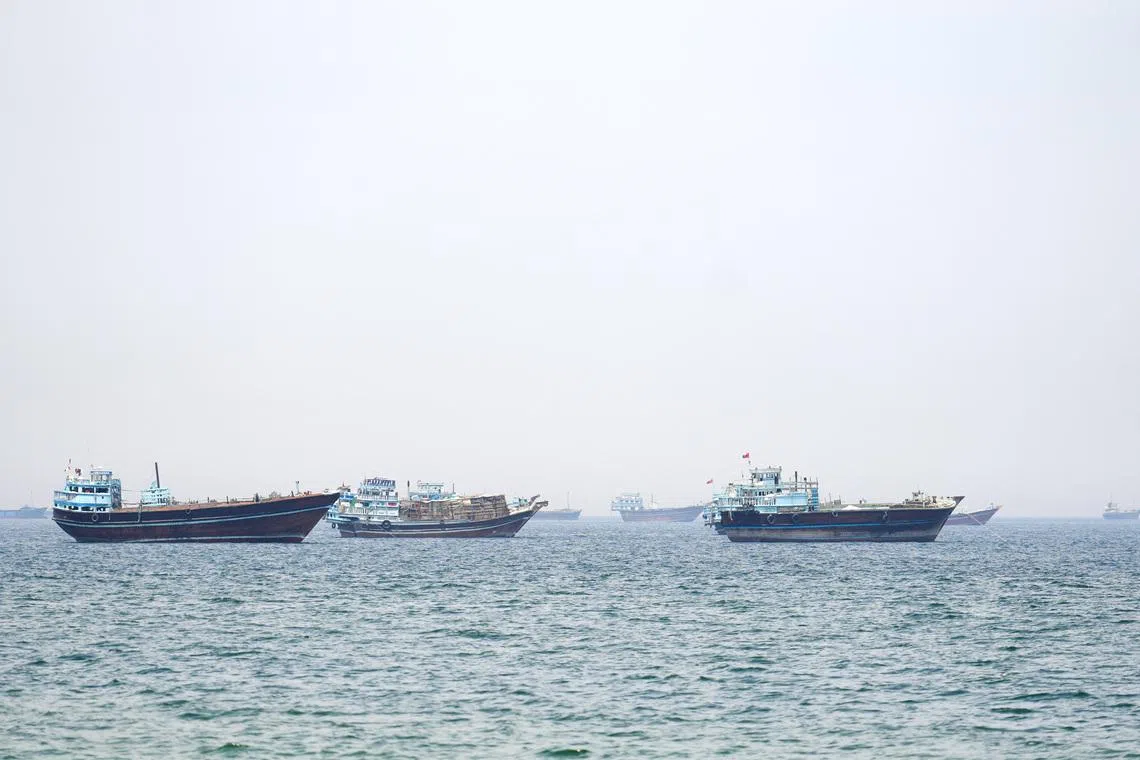
Speaking on condition of anonymity to discuss confidential diplomacy, the senior Iranian official said Teheran believed its latest proposal to shelve nuclear talks for a later stage was a significant shift aimed at facilitating an agreement.
Under the proposal, the war would end with a guarantee that Israel and the US would not attack again. Iran would open the strait, and the US would lift its blockade.
Future talks would then be held on curbs to Iran’s nuclear programme in return for the lifting of sanctions, with Iran demanding Washington recognise its right to enrich uranium for peaceful purposes, even if it agrees to suspend its nuclear programme.
“Under this framework, negotiations over the more complicated nuclear issue have been moved to the final stage to create a more conducive atmosphere,” the official said. REUTERS
Decoding Asia newsletter: your guide to navigating Asia in a new global order. Sign up here to get Decoding Asia newsletter. Delivered to your inbox. Free.
Share with us your feedback on BT's products and services






