2026 BMW i3 review: The EV that could shake a petrolhead to the core
The new BMW i3 is bound to give even the most dedicated combustion fan pause for thought
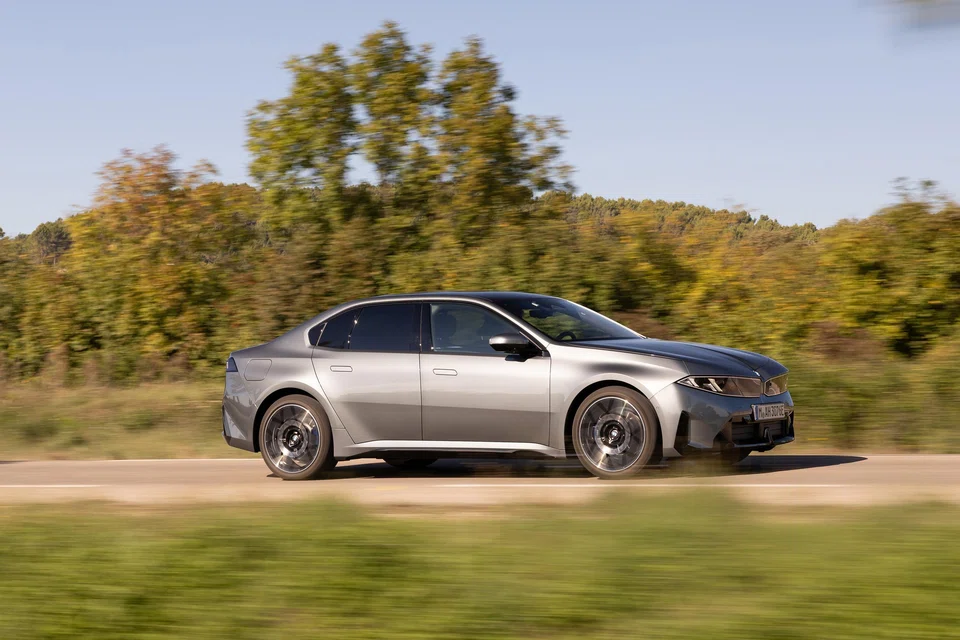
[AIX-EN-PROVENCE] I still have more petrol than haemoglobin running through my veins, but if any car has given me an itch to switch to an electric vehicle, it’s the BMW i3. That blow to my core values, and maybe yours, is entirely the point of the new four-door sedan.
In short, it feels like a BMW in almost every respect. That’s saying something, because this first battery-powered 3 Series has to live up to a model line that essentially gave BMW its mojo. The 3 Series has poured gold into its maker’s coffers, too, delivering more than 18 million sales in 51 years.
While there’s also a new combustion 3 Series, the i3 isn’t merely a version of it with motors and batteries in place of an engine and fuel tank.
Despite looking nearly identical, the two are mechanically distinct, because the 3 Series descended from its predecessor, whereas BMW builds the i3 on the Neue Klasse (“new class” in German) platform, the clean-sheet technology architecture that debuted on the iX3 sport utility vehicle.
That makes the i3 and combustion 3 Series cousins, while the iX3 is more of a sister.
You’ll note the i3’s kinship with its taller sibling because inside, they have the same layout. That being so, you get the brilliant Panoramic Vision Display, which beams information across the base of the windscreen, and the 17.9-inch parallelogram touchscreen that leans towards the driver.
It also comes with the same niggles: fiddly, digitally aimed air-con vents, an oddball steering wheel and plastics that don’t feel especially premium.
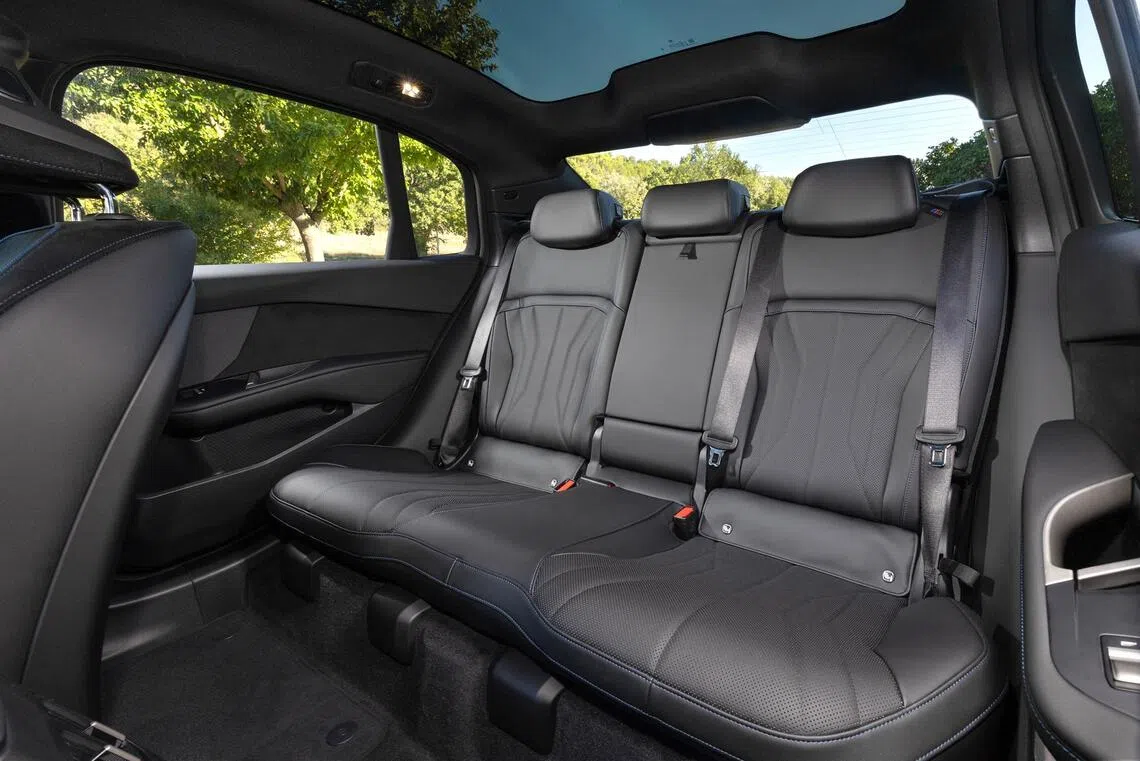
Whatever you think of all that, the i3’s real weak spot is the back of the cabin. The battery raises the floor, leaving little thigh support for passengers, and the glass roof has no shade.
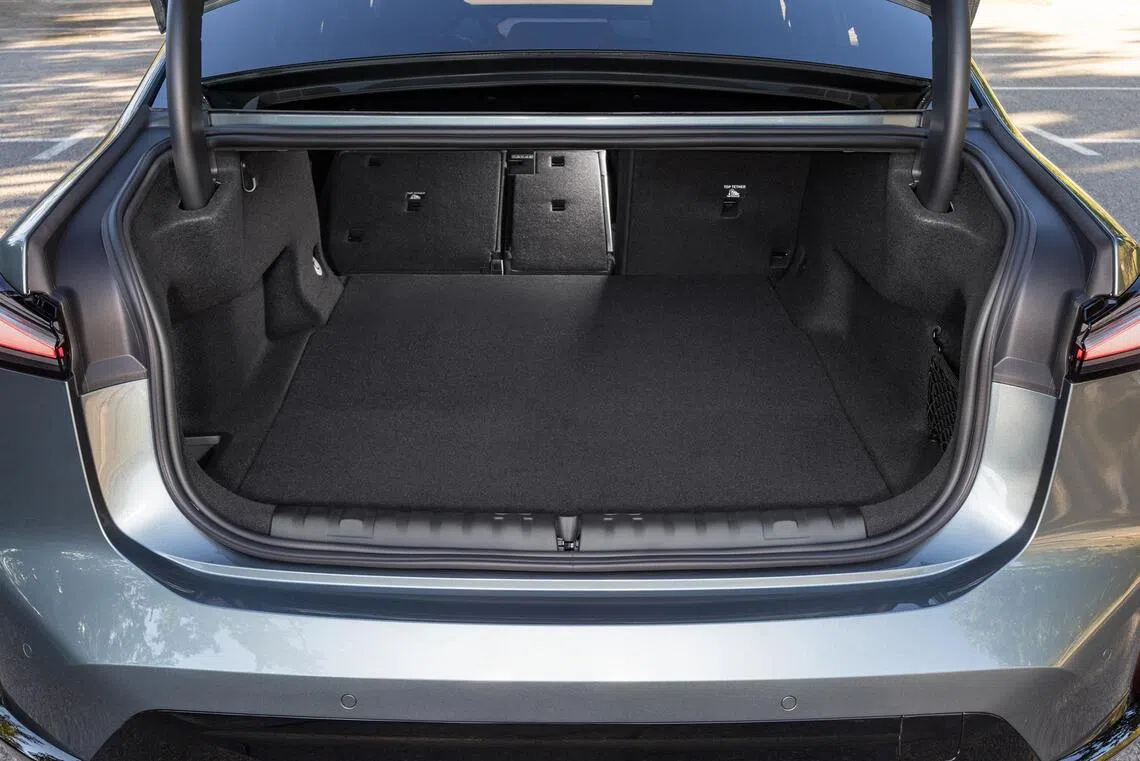
Practicality isn’t the i3’s strong suit, either. The boot holds just 420 litres, which is less than what you get in an Audi A3 Sedan, a much smaller car. A 31-litre frunk salvages things somewhat, but if you need to haul things around, that’s what the iX3 is for.
You can poke around the i3’s caboose at the Singapore Motor Show in January 2027, where the new EV will make its debut in dual-motor, 469-horsepower i3 50 form. That’s the version I drove in Provence, which promised rose and sunshine but delivered constant rain instead (one out of two isn’t bad, I guess).
That turned out to be a blessing, however, since nothing exposes a car’s abilities like a sodden country road, and the i3’s shone through. The car’s front end is sharp and eager, turning in the instant you ask, and on rain-slicked roads, the grip felt endless.
BMW makes much of the car’s “Heart of Joy”, which sounds like a K-drama title but is really a high-speed computer that controls all the car’s drive systems 10 times faster than the brand’s previous setup. It works wonders in the iX3, but shines even brighter in a car that sits lower to the ground.
Sure enough, the i3 flowed from bend to bend with a precision its taller sister can’t quite match, and seemed to know exactly which line I wanted through each corner.
Sharp handling usually costs you comfort, but not here. The ride is excellent, which is all the more impressive because the suspension uses conventional springs and dampers with fixed settings, with no computer adjusting them on the fly.
It’s an effortlessly quick car, too, lunging to 100 kmh in just 4.7 seconds.
It’s also fast in another way that matters. A 400 kilowatt (kW) charger can push 423 km into the 800 volt battery pack in just 10 minutes if conditions are ideal, though the i3 50’s 912 km range makes relying on fast charging unlikely.
Ultimately, the i3 is as effective at soothing you after a rough day at the office as it is at thrilling you when you’re in a hurry. But there is something missing, and it’s the emotional rush of a great engine, which the petrol M350 delivers by the bucket.
Still, driving it is enough to make you wonder how much that matters. The i3 is good at being an EV, but it’s great at being a 3 Series.
BMW i3 50 xDrive
Motor Power/Torque 469 hp/645 Nm Battery Type/Net capacity Lithium nickel manganese cobalt/108.7 kWh Charging Time/Type 11 hours (11 kW AC), 21 minutes 10 to 80 per cent (400 kW DC) Range 912 km (WLTP) 0-100 kmh 4.7 seconds Top speed 200 kmh Efficiency 18 kWh/100 km Agent Eurokars BMW or Performance Motors Price To be announced Available January 2027
Decoding Asia newsletter: your guide to navigating Asia in a new global order. Sign up here to get Decoding Asia newsletter. Delivered to your inbox. Free.
Share with us your feedback on BT's products and services