

From sugar barons to spectacular sunsets: The sweet life in Sipalay, Philippines
High-society pedigree meets environmental responsibility in an intimate resort by a sugar mogul’s daughter
 Add BT as a preferred source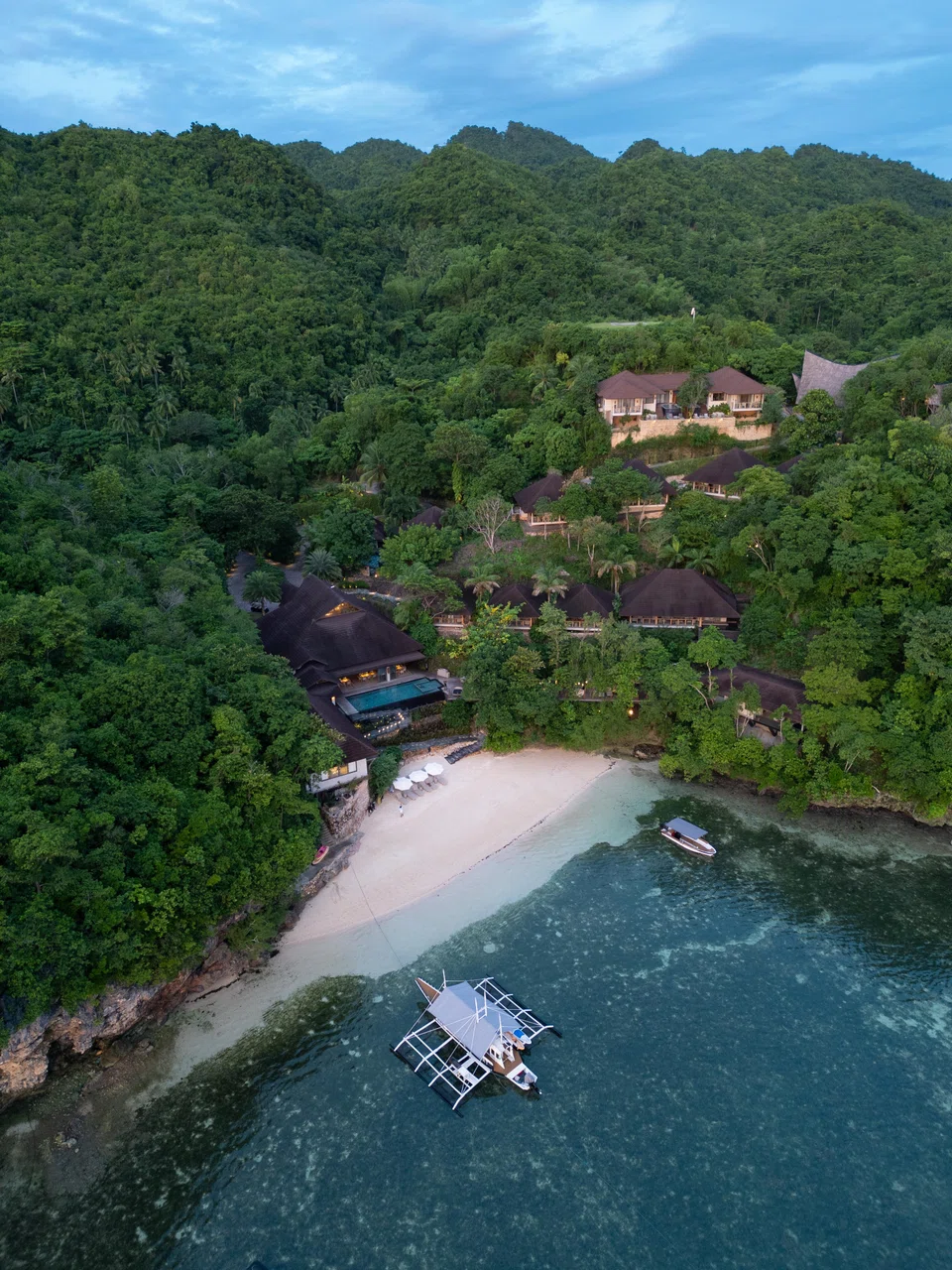
WHAT DO YOU DO WITH six hectares of forested, hilly seafronting land?
In Singapore, we might well flatten it for land reclamation. But in the vast Visayan islands in the Philippines, the question is whether one should share what nature has to offer. And if so, how?
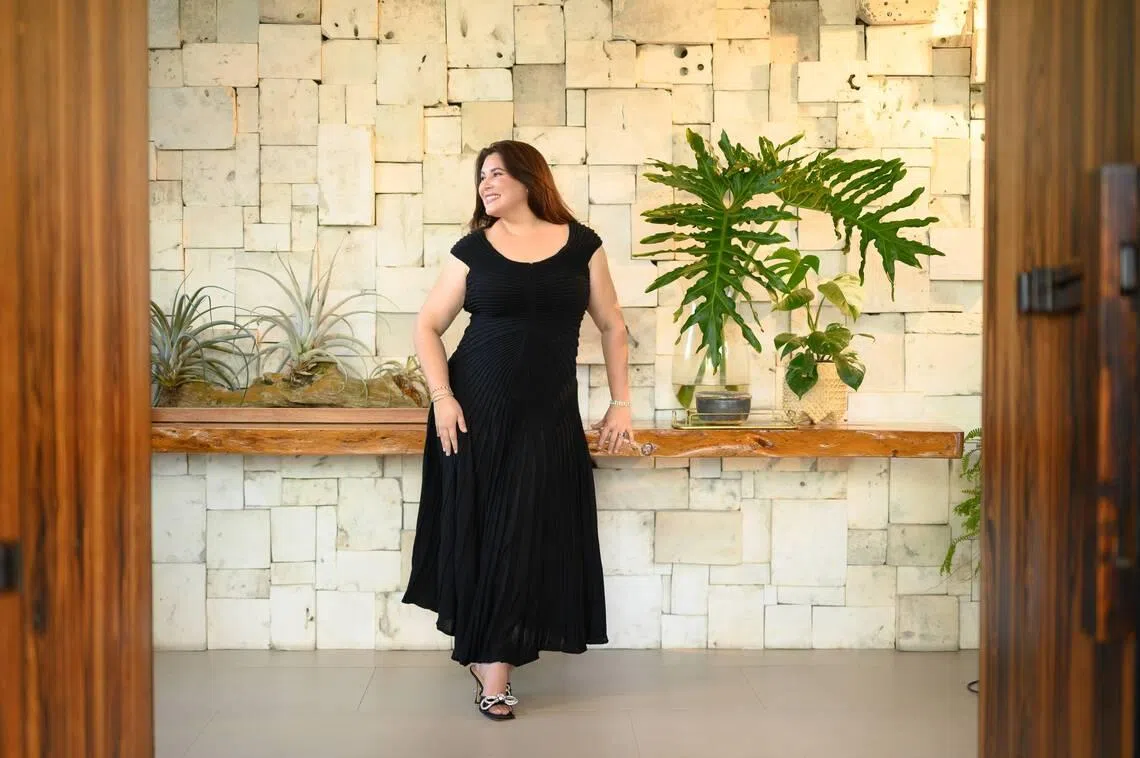
For the daughter of a sugar baron who owns said land in Sipalay, Negros Occidental, it was a non-negotiable that any development would have to be sustainable and integrated with the local community, giving it opportunities to thrive.
Negros Occidental – also known as the nation’s sugar bowl for producing over half of its sugar – forms the north-western half of Negros Island, the fourth-largest island in the country.
Having grown up in her family’s sugar cane hacienda – or plantation – further inland, Cristina Corro’s world view was shaped by the values of discipline, hard work and respect for the land.
Her immersion in nature also gave her some ideas for their “rest house” estate by Sipalay’s coast. It has a forest, pristine beach, house reef and even its own cave. It just isn’t as well-known as Cebu, Boracay or Palawan.
Journey to a gem
Shunning the volume-driven hospitality model, the former banker-turned-entrepreneur envisioned a conservation-first resort that allows it to share its natural beauty with those who would make their way to this under-explored coastal region.
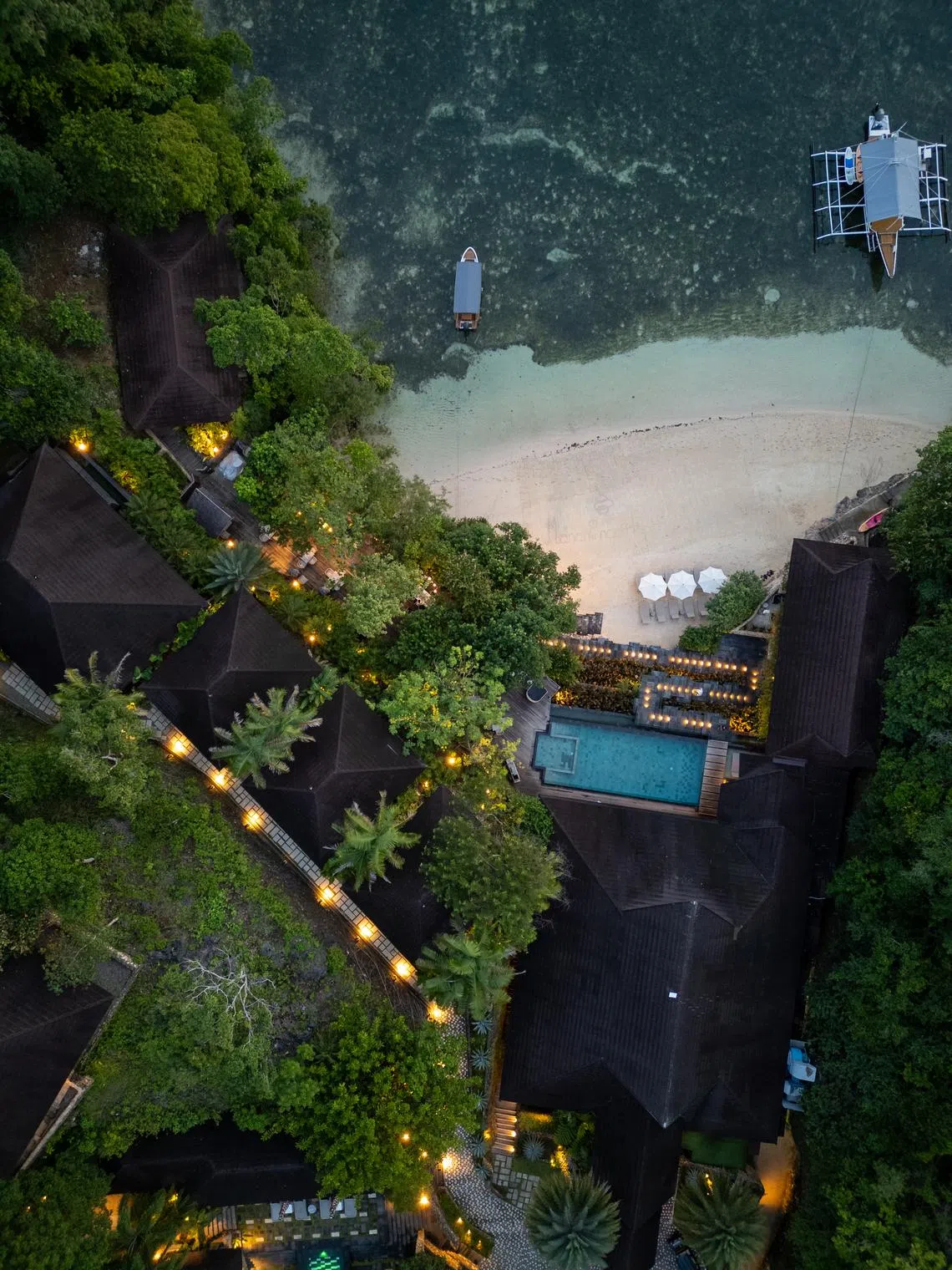
And so, Manami – named after the local Hiligaynon dialect for “beautiful” – was born. The first and only luxury nature resort in Sipalay, you could say it’s an invitation to the upper-crust Negrense lifestyle: upscale accommodations built with locally sourced materials, sustained by local employees who stand ready to fill your tummy with local produce.
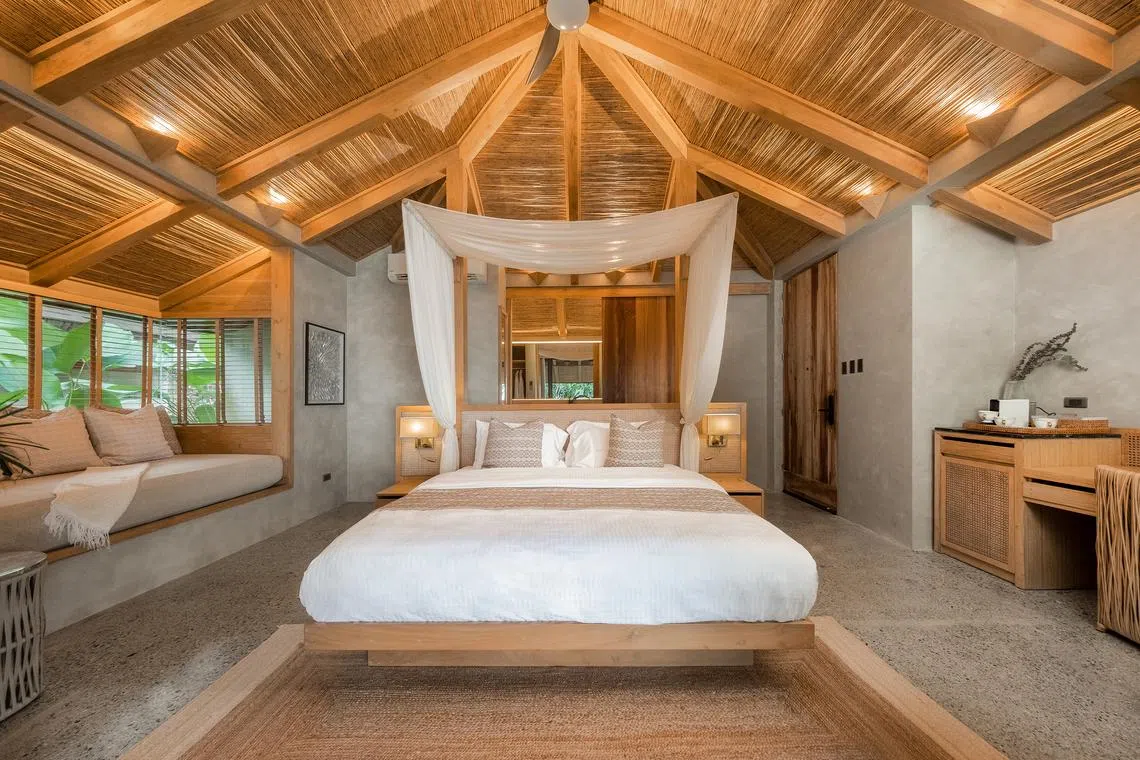
Proudly intimate in scale, Manami has just 18 villas and suites carefully integrated into – instead of dominating – two hectares of the lush landscape.
SEE ALSO



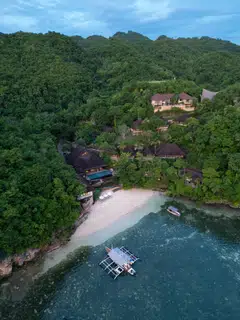

It is also a hidden gem – literally. Tucked in such a remote location, you’ll need to jump on two planes and take a car ride of three to four hours just to get there.
There is, of course, a helipad at the resort for those who prefer to take a chopper. But for most of us, the long journey should simply be considered part of the experience of disconnecting from daily life.
It also gives you the perfect excuse to spend your first night in Dumaguete, after flying in from Manila or Cebu. This charming coastal city in Negros Oriental – on the south-eastern half of Negros Island – is also known as the “City of Gentle People” for its laid-back vibes.
From here, the drive is linear and uninterrupted, past coastal towns where many make a living from fishing, selling their catch by the roadside. The only turn on the drive is on the final stretch through small villages to the resort. And you know you’ve arrived because there’s no cell phone coverage, just a very powerful Wi-Fi signal.
The art of slow (and beautiful) living
Corro was very intentional about what she wanted in the resort. She enlisted the help of a local architect to translate her vision into reality, insisting on local suppliers and sustainable materials, including Gmelina wood, a fast-growing timber abundant in the region.

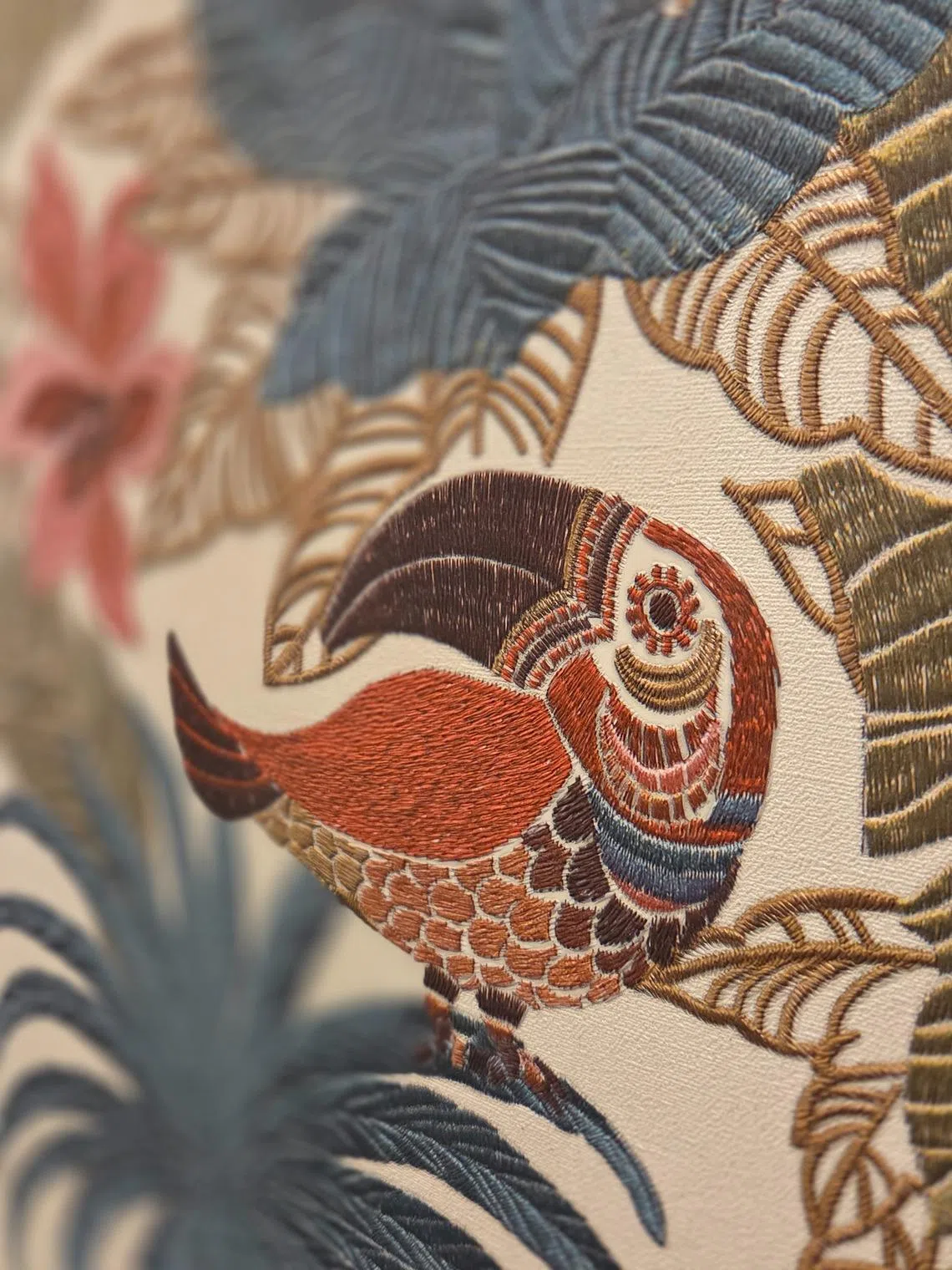
Local bamboo, rattan, reed and capiz shells are used throughout the resort, whether as a building material or in its furniture, lighting and decoration. These, like the wallpaper with an embroidery-like texture, are as much to showcase Filipino craftsmanship as they are to demonstrate a commitment to conservation.
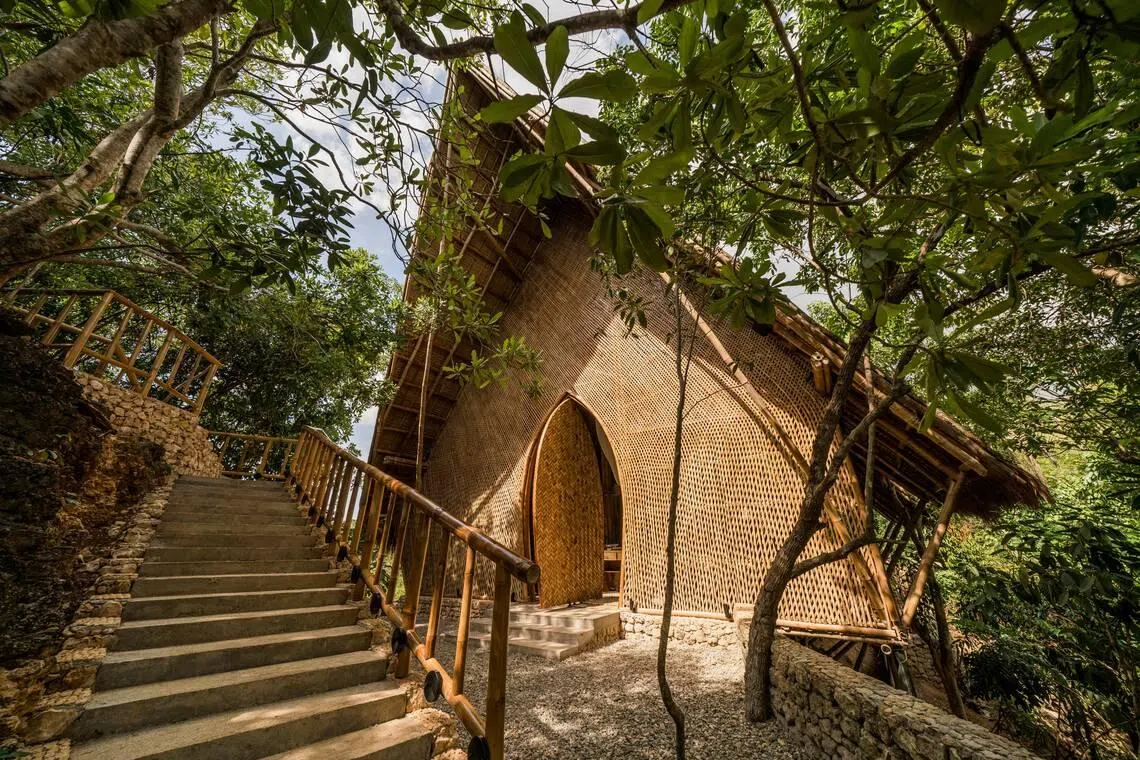
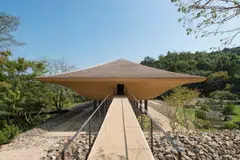
We were particularly blown away by the Linong (meaning “serene”) Spa. Perched at a high point in the resort, its main structure resembles a traditional Filipino stilt house or bahay kubo that’s been given a major, but respectful, glow-up.
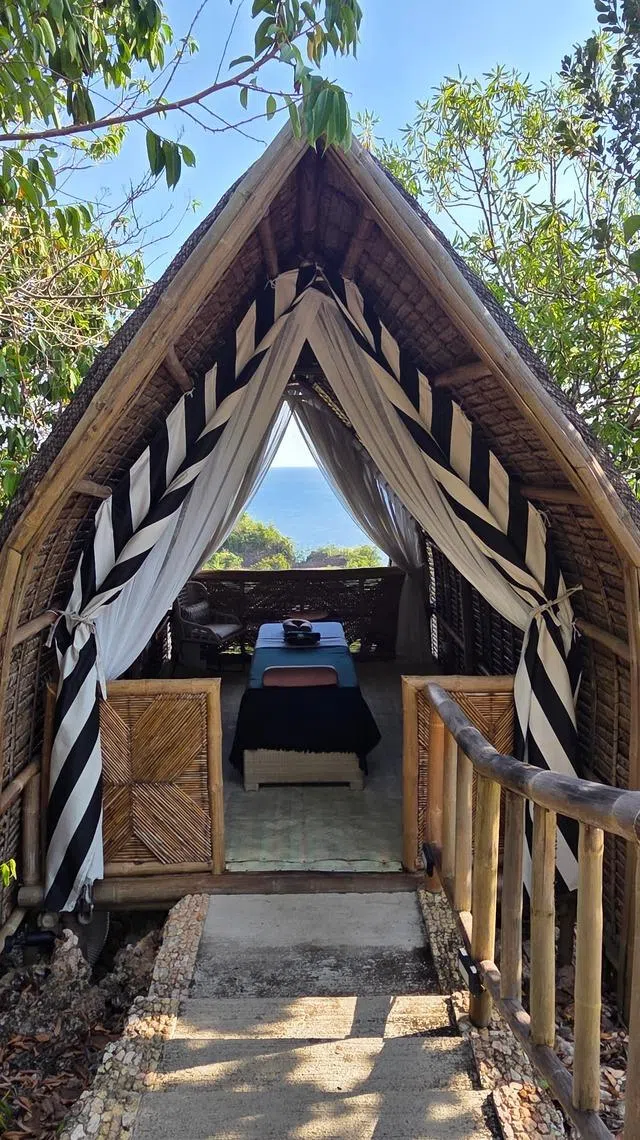
Constructed from native bamboo and wood, with nipa palm leaves for its pitched roof and oversized swing doors, the Instagram-friendly “hut” builds anticipation for your treatment.
For that, you are led further up the hill to your massage cabana – one of a clutch of cocoon-shaped cabins perched over the edge of the forest, each with a window offering jaw-dropping views of the sea. It is a truly divine setting.
Even though the resort was full while we were there – there was a beach wedding – it never felt crowded. We reckon that has to do with the way its spacious villas and suites are scattered on the slopes of the hilly terrain.
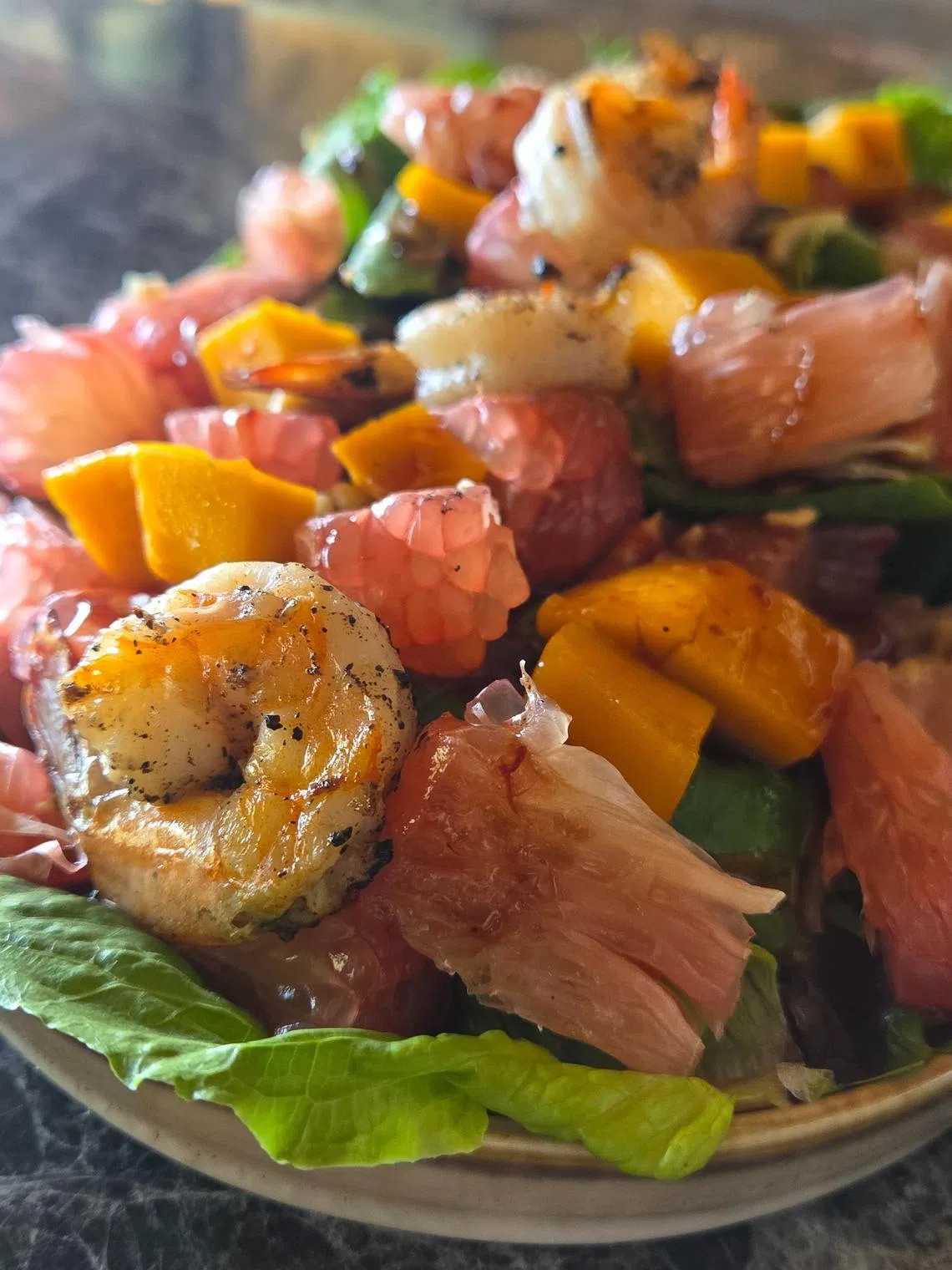
When it comes to food, there’s a good variety of both local Negrense dishes as well as Spanish flavours at Lingaw (meaning “entertain”) – its all-day restaurant.
The must-try dishes include kansi, a local version of a beef broth made with beef shanks, green jackfruit, chilli peppers and batuan (a native fruit used as a souring agent in cooking); a pomelo salad with seared shrimps, mango and cashew nuts; and its seafood paella.
We also loved the very malty and addictive chocolate ice cream from local brand Fria.
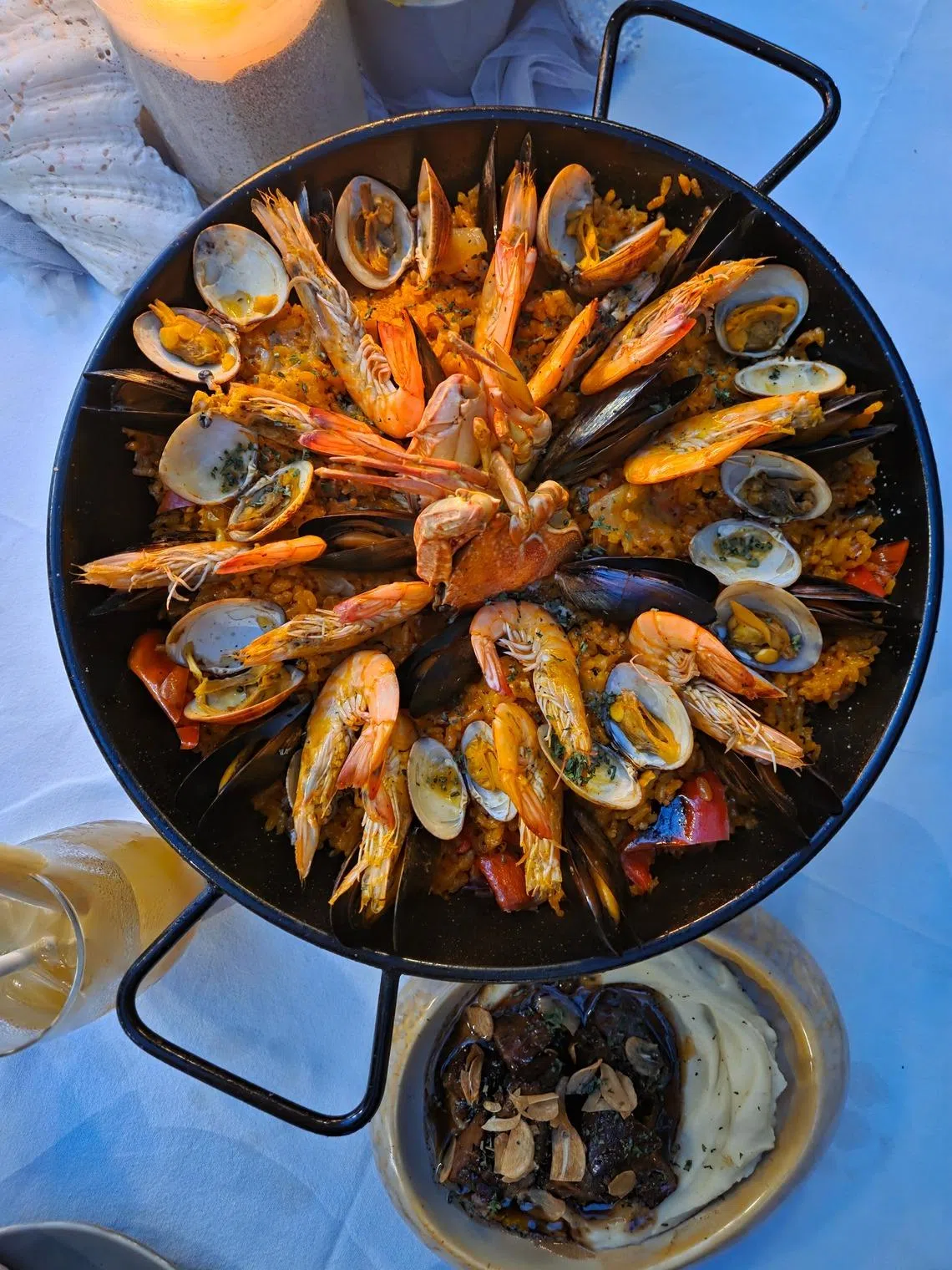
And of course, there’s always a truck-load of sugar cane available at the resort. Refreshing and irresistible, its juice is served with a stick of the chilled pulp – go ahead and chew on it.
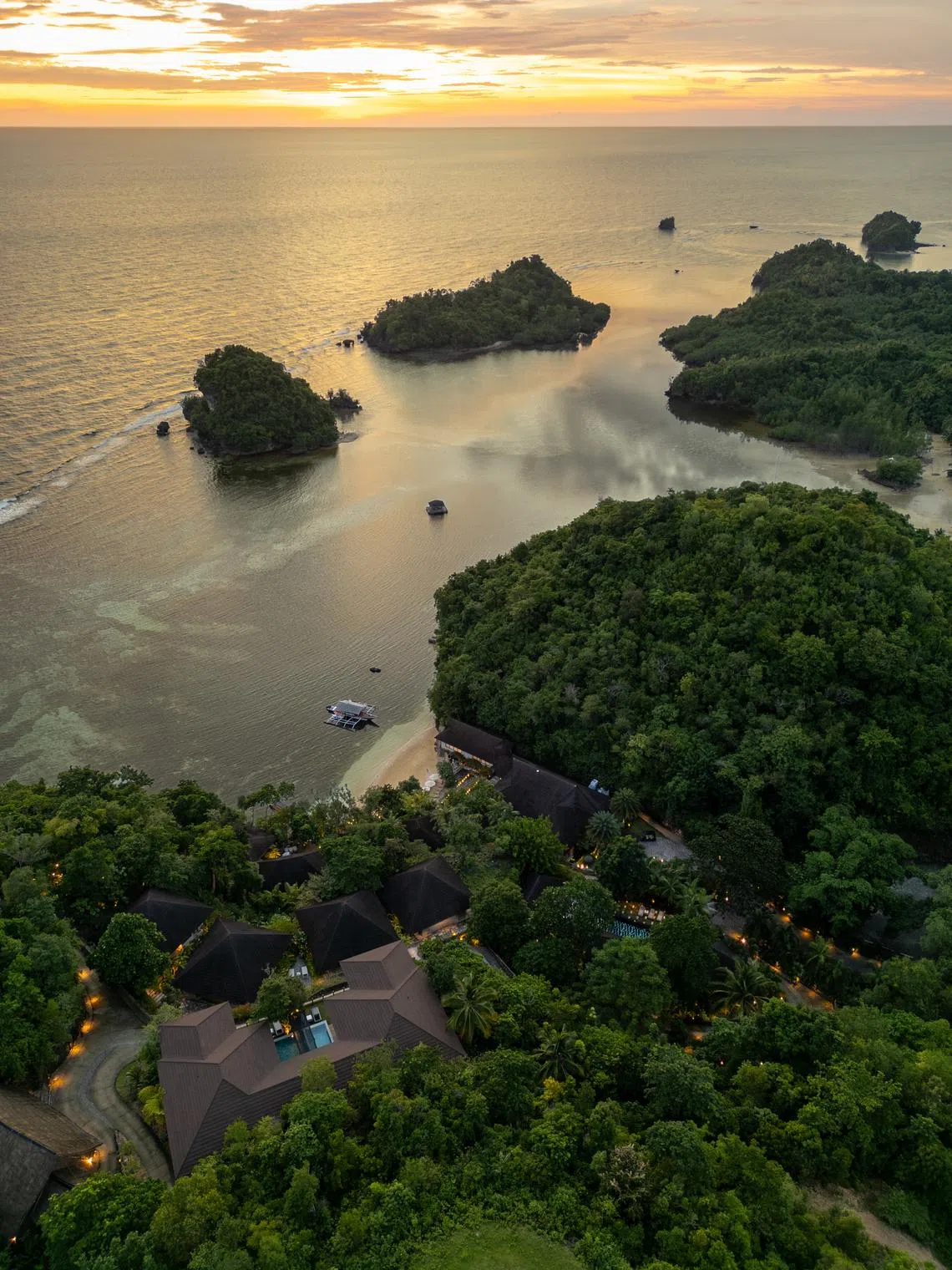
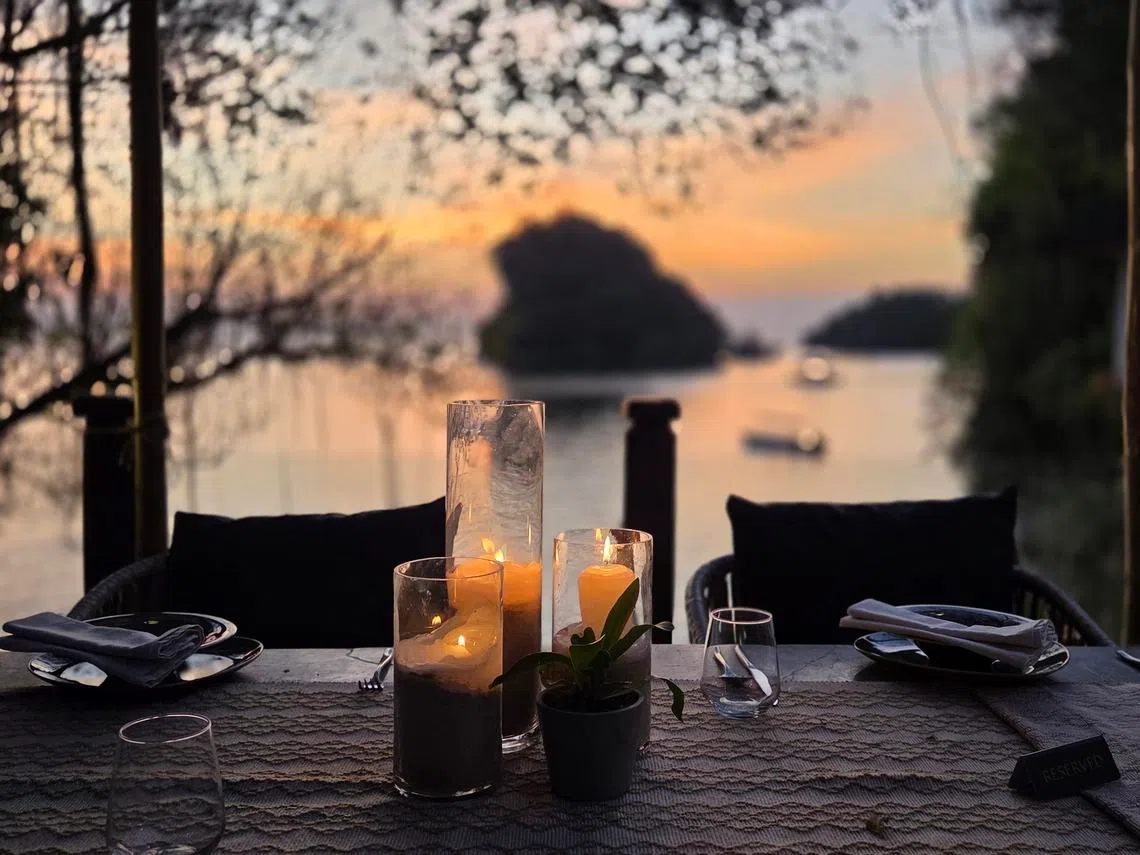
You can also have sugar cane in your shakes and evening cocktails. The latter are best enjoyed on the Hunas (meaning “low tide”) Sunset Deck and Bar, as you watch the sky turn into spectacular shades of pink and purple over the Sulu Sea.
Nature at play
Marine conservation plays a central role at Manami, which, impressively, has its own dive centre and nature butlers to help guests engage in responsible reef activities.
These experiences are intentionally small-scale and designed to encourage slow exploration and close observation of local ecosystems while maintaining a light footprint.
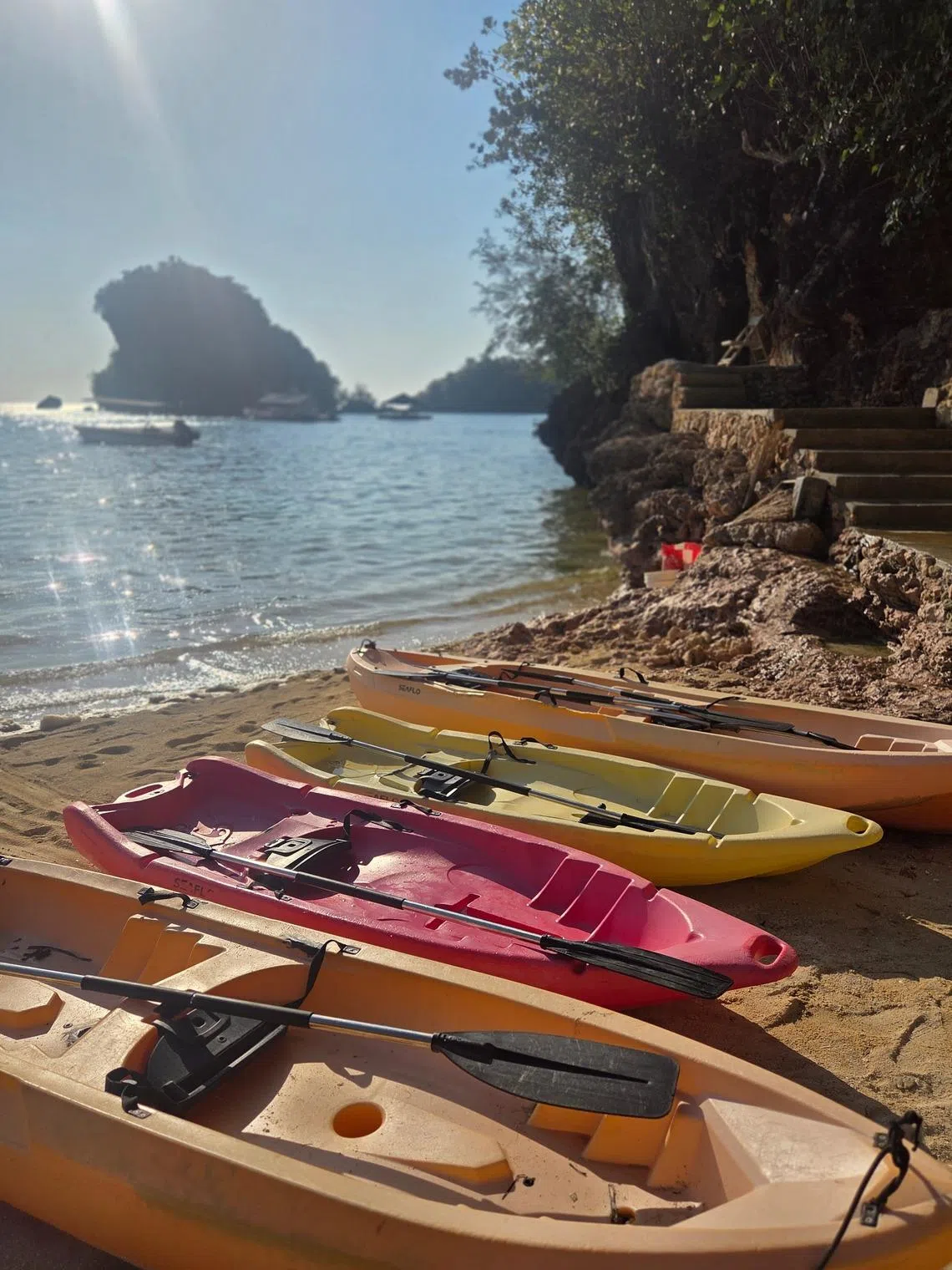
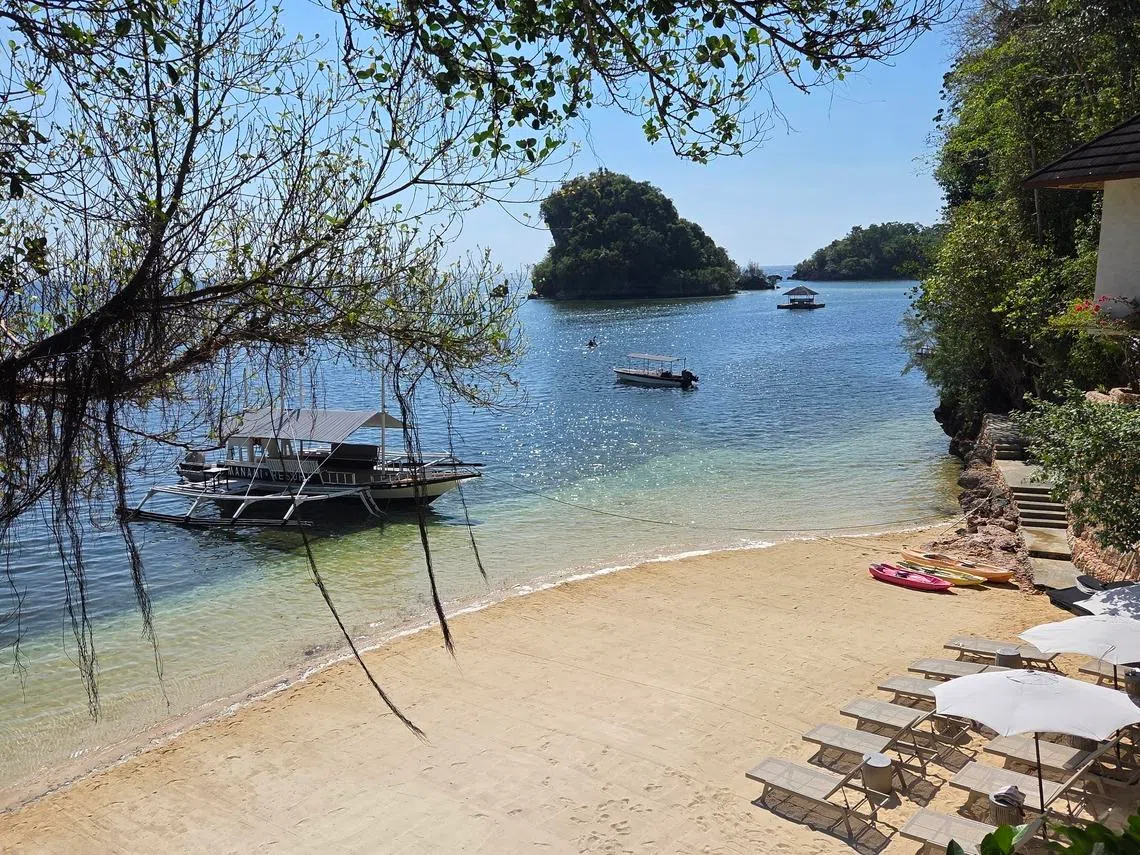
Non-motorised water activities such as snorkelling and kayaking are complimentary, with the necessary equipment provided. And once you’re out there, you’ll find it hard to leave the calm, warm turquoise-blue waters that lap Manami’s beach.
You can also join Alexis, the resort’s bubbly in-house marine biologist, as she tends to the house reef and the creatures that inhabit it.
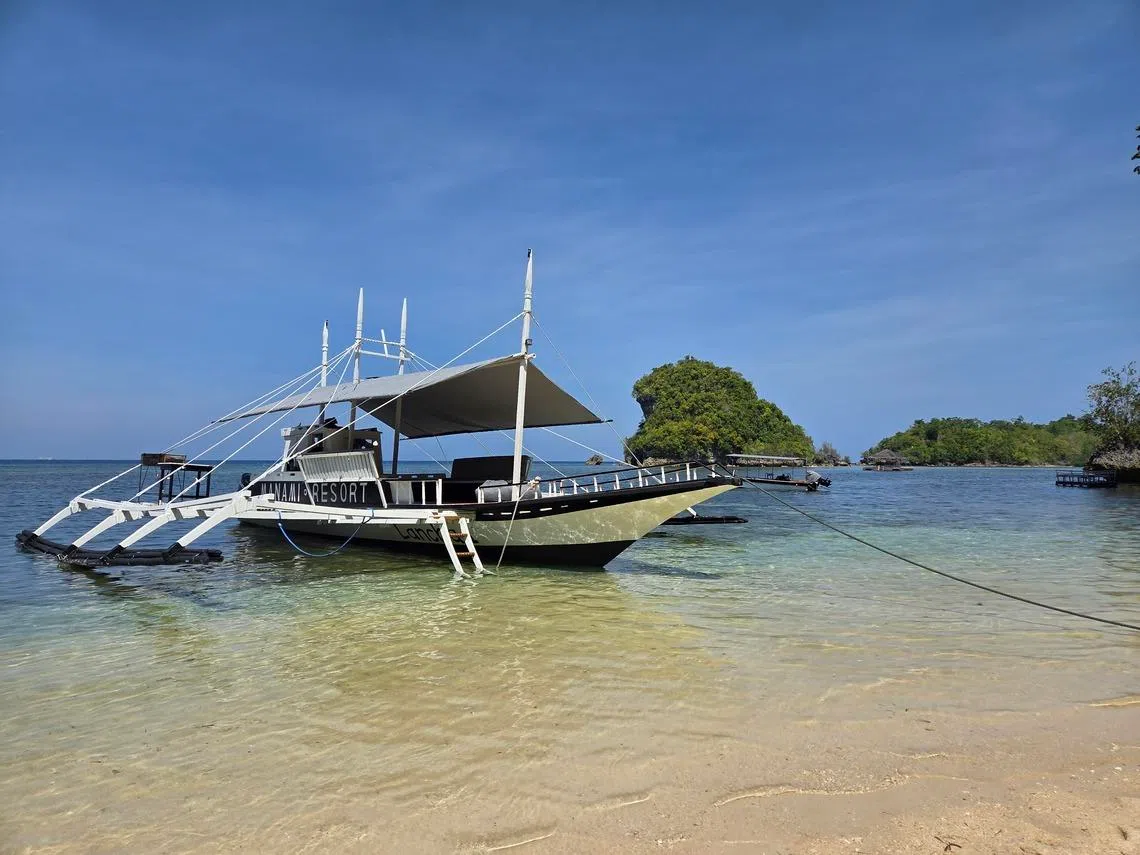
Still, we highly recommend an afternoon excursion on one of Manami’s two souped-up bangka (traditional Filipino outrigger boats) to the nearby islands. The crystal-clear waters of Sipalay’s marine protected areas make for some very satisfying scuba dives and snorkelling.
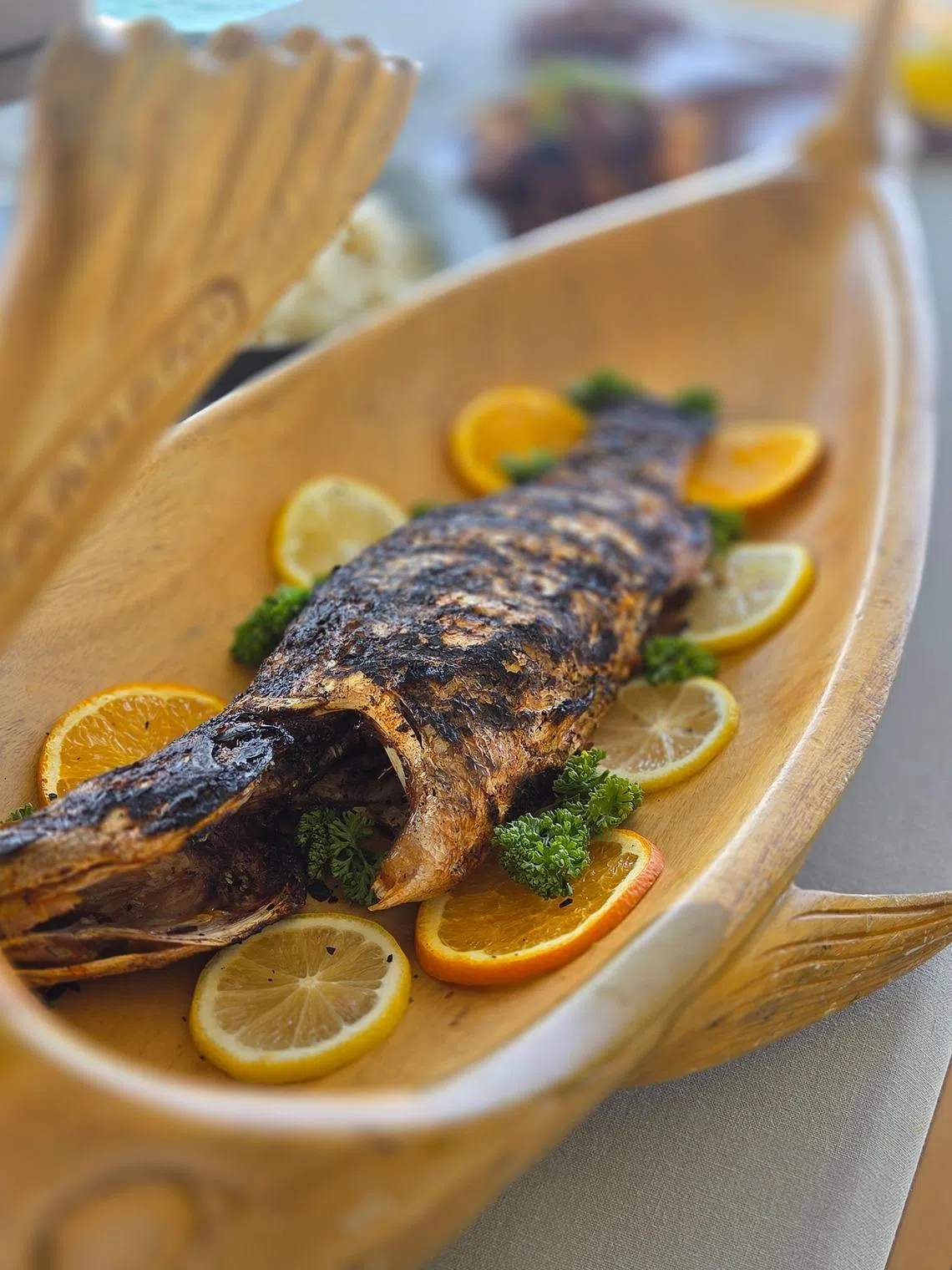
While we were out exploring, the crew prepared a plated version of the boodle feast, a Filipino communal meal traditionally spread on banana leaves. Among others, there was sinuglaw – a popular Visayan appetiser combining pork belly and ceviche – grilled pork and chicken and of course, the Filipino staple, garlic rice. The highlight, though, was a fresh Asian sea bass which literally came hot off a barbecue grill secured onto one of the outriggers. Nice.
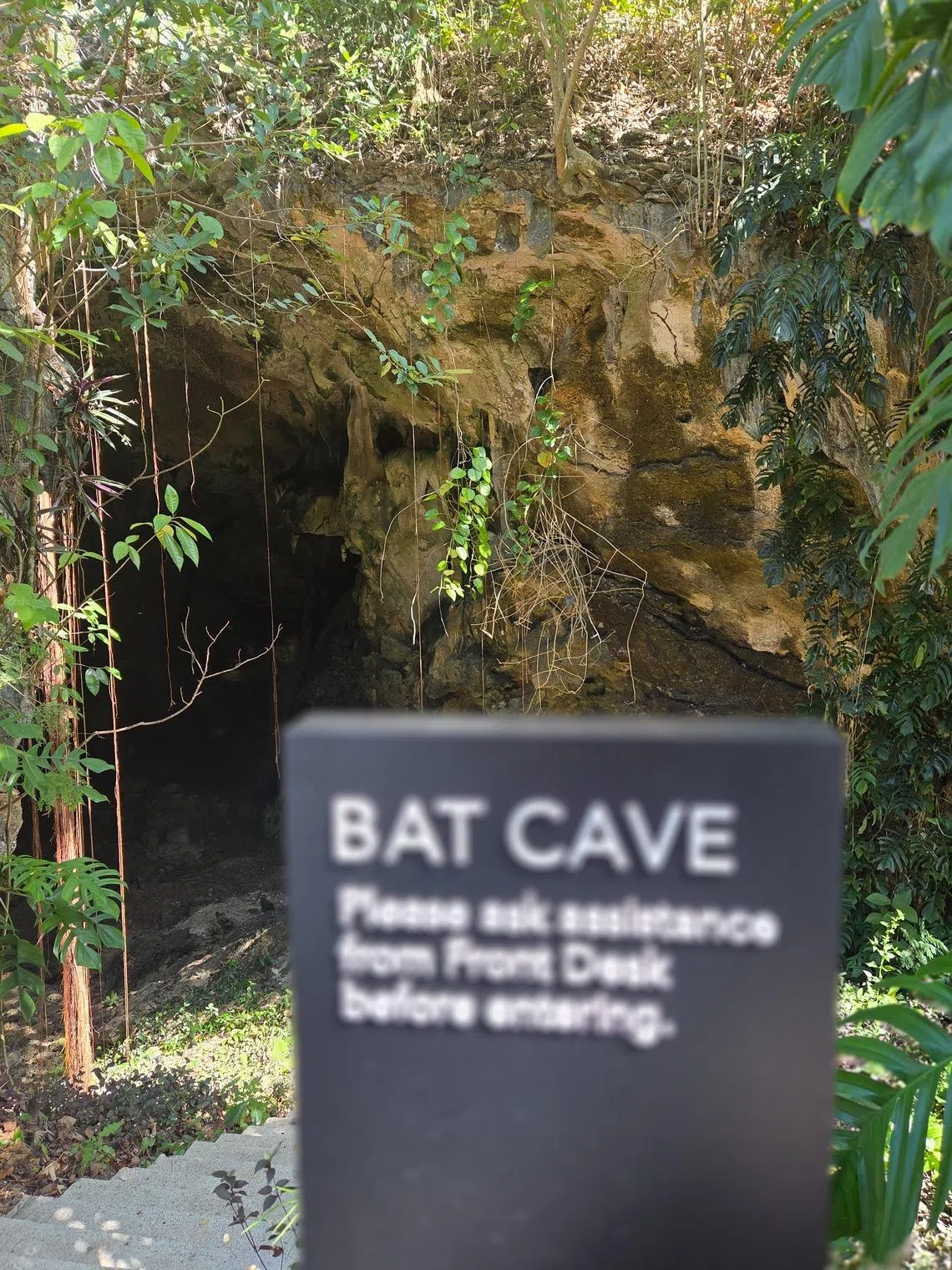

Meanwhile, we don’t know of any other resort with an on-site cave. Manami’s is right by the hotel reception, and should absolutely be explored if possible.
Fret not – there’s no danger of flooding, nor is there any crawling involved. There’s a little bit of climbing but there are ropes, “steps” and a nature butler on hand for assistance, if needed. Don’t mind the bats though – they’re just hanging around – and for very little effort, you’ll be rewarded with the view of a heart-shaped opening in the cave.
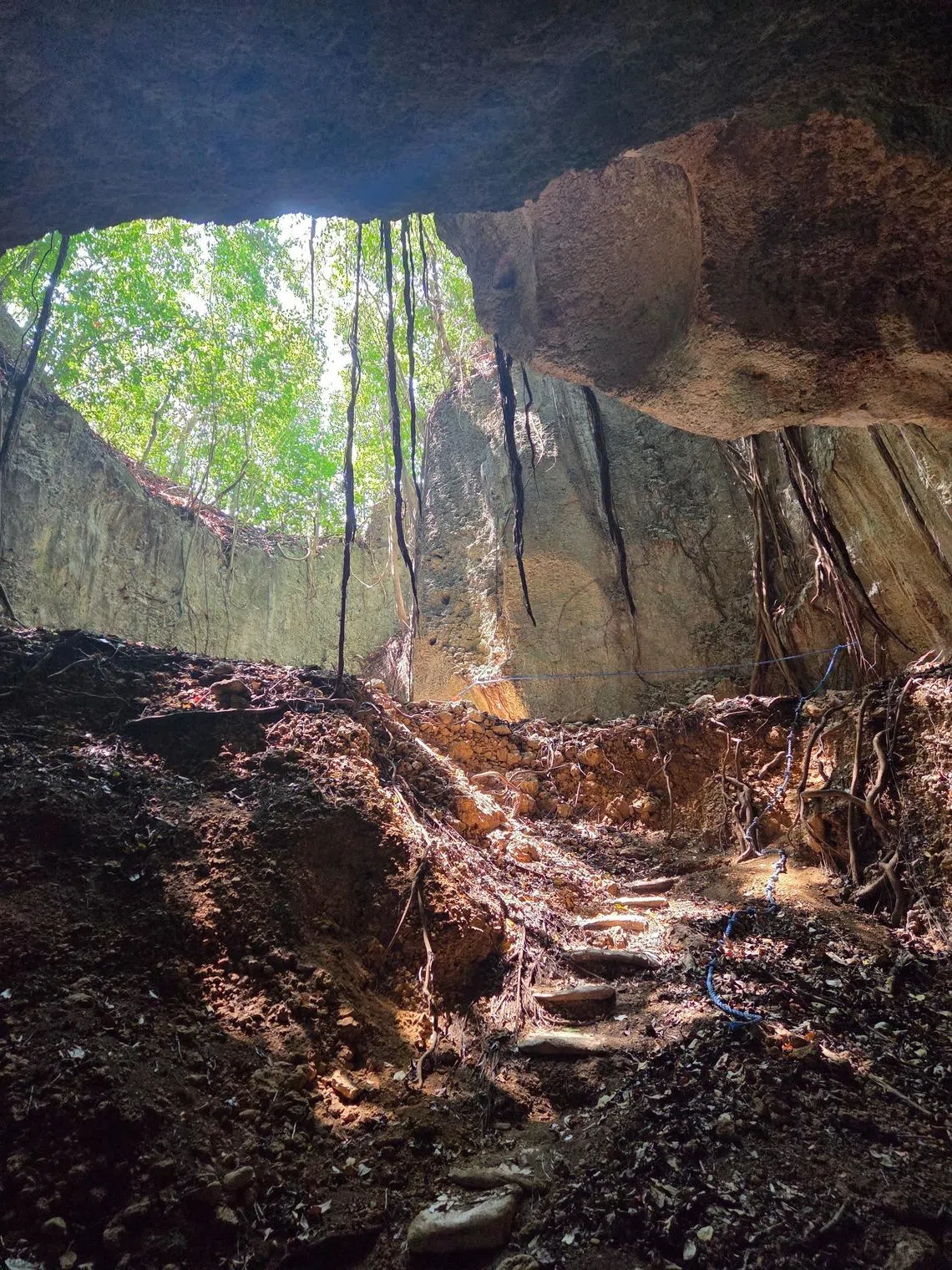
The entire activity didn’t take long, and we emerged on the other side, in shallow waters that we waded through to get to the resort’s beach.
For the well-heeled seeking a low-impact, secluded getaway, Manami has a surprisingly fair amount to discover. As one guest was overheard saying: “There’s quite a lot to do in this little place.”
Or, you could simply choose to do nothing at all.
The writer was a guest of Manami Resort in Sipalay, Negros Occidental, Philippines
Decoding Asia newsletter: your guide to navigating Asia in a new global order. Sign up here to get Decoding Asia newsletter. Delivered to your inbox. Free.
Copyright SPH Media. All rights reserved.
TRENDING NOW
Singapore private housing is ‘decoupling’ from HDB market as buyer pools diverge: NUS survey

Simba’s 5G spectrum hurdle may accelerate Singapore’s telco market reset

Yen hits 40-year low in historic slide that’s rattled Japan

Malaysian tycoon Vincent Tan’s sell-downs point to pruning rather than an exit plan

