

California’s wine slump is fuelling a risky bet on agave
The state’s vintners are trying their hand at an American spin on tequila and mezcal
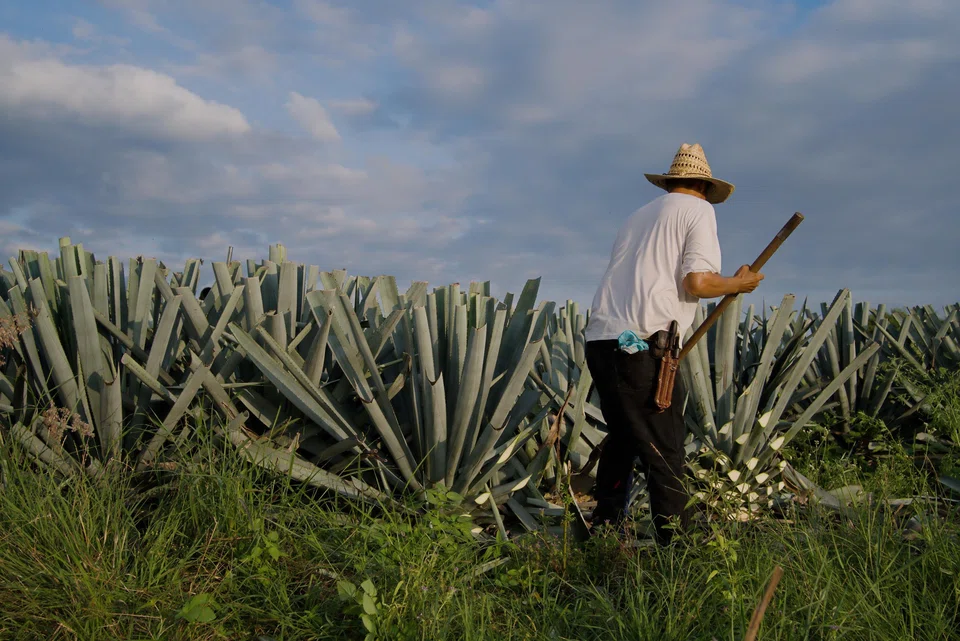
CALIFORNIA’S vintners, struggling with a precipitous drop in wine consumption, are experimenting with making an American version of tequila.
Facing state-imposed water restrictions and an oversupply of grapes, second-generation farmer Stuart Woolf is one of those betting on agave. He has planted more than 200 hectares (ha) over four years on his land in Huron, California. He plans to add another 60 ha.
The state’s love of tequila was “one of the reasons I was so enamoured with planting this crop”, he said. “We’ve got 40 million people here, 40 per cent of (whom) identify as being Latino or Hispanic. This is a great place to try to introduce a new category of agave spirits.”
The spiky blue-green succulent – used for centuries in Mexico to make tequila and mezcal – is cheaper to plant and cultivate than grapes. It also requires less water and maintenance.
That is key for Woolf, who is looking for alternative uses for his farm’s 12,000 ha, much of which is subject to strict limits on water use.
“This is a way that I could protect jobs, continue to farm our land, keep the land holdings within my family,” he said. “This is kind of our family’s legacy, and I wanted to hang on to it and protect it.”

Not a sure-fire thing
Despite the lower costs and water use, it is a risky move. There is very little local distilling capacity in California, and knowledge about processing agave is still limited.
A recent price crash for agave in Mexico, meanwhile, has followed the same boom-and-bust cycle as grapes. Agave plants are slow-growing and generally harvested five years or more after being planted. A lot can change over that period.
On top of these factors, any alcoholic beverage made from California agave cannot be called tequila or mezcal, due to rules on denomination of origin. Will consumers warm to an agave spirit that is not Mexican?
The California spirit makers say that tequila is an inspiration, but they are looking to put their own spin on agave. This is leading to experimentation in the production process to create something new.
“We’re not tied to any tradition, we’re not really tied to any way of making it,” said Gian Nelson, co-founder of Napa-based Jano Spirits.
Steve Vierra, a soil scientist and consultant in the wine region of California for nearly 30 years, said agave is “a purely speculative crop” that spirits makers will not buy ahead of time. “There is no distillery handing out pre-plant contracts.”
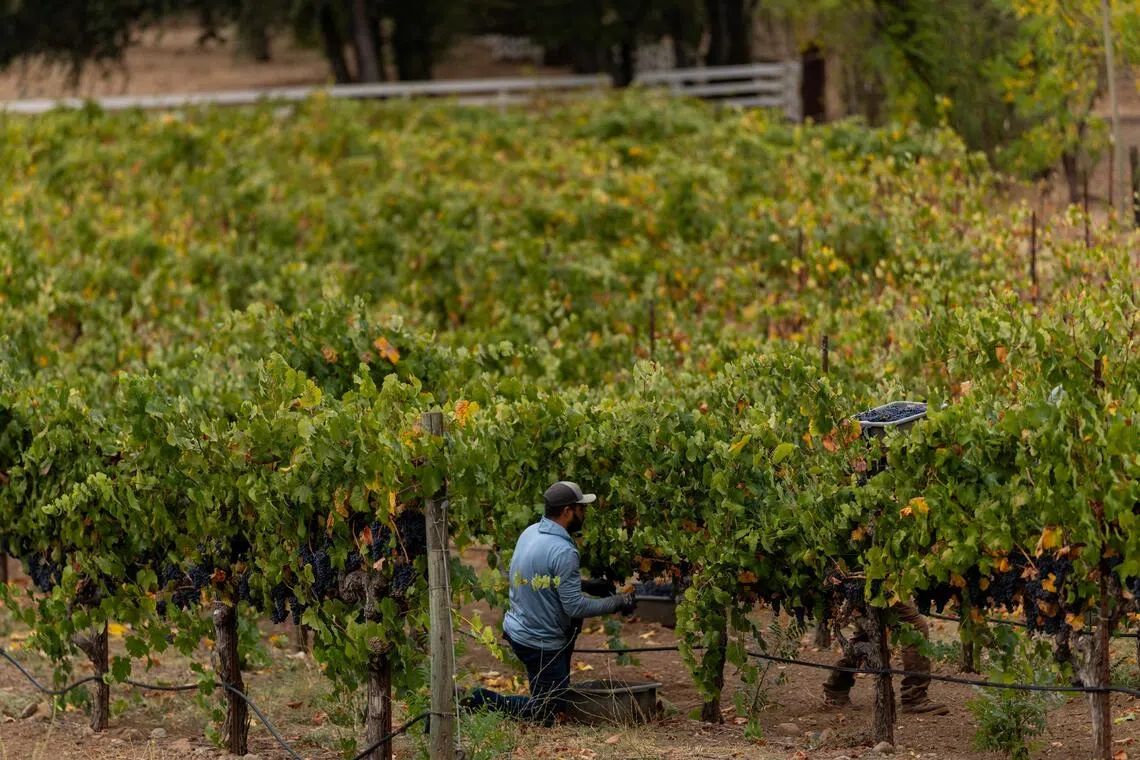
But things look even worse for grape growers. Wine sales contracted 5 per cent in 2025, the most among alcoholic beverages, according to Circana data compiled by Bloomberg Intelligence.
The category, which brings in more than US$15 billion annually through Circana’s tracked retail channels, has not grown since at least 2022.
With demand down, some growers are ripping their vines out or letting their crops rot, said Dale Stratton, managing director of Azur Associates, an alcohol industry consulting group. Vintners’ woes have been compounded by higher labour and operating costs.
Tequila, in contrast, has held up relatively well. Growth was flat over the 52 weeks ended Sep 9, while vodka, whiskey and other liquors each contracted by at least 1.5 per cent over that period.
Mexico’s exports to the US grew about 30 per cent by volume from 2020 through 2025, despite a decline of about 1 per cent last year, according to Mexico’s Tequila Regulatory Council.
All sorts making the switch
It costs around US$24,700 per ha to plant agave, Vierra said. A transition back to grapes can run as much as US$173,000, depending on the region of California. After they are established, agave plants can largely survive on natural rainfall, while grapes require additional irrigation.
Vierra said that he has helped more than 20 wineries transition some of their land from growing grapes to agave. It started with smaller, boutique operations, but more commercial farms have been wading into the budding industry, he added.
Bigger companies are also taking a serious look at the possibilities. O’Neill Vintners & Distillers, which produces eight million cases of wine annually, has been carrying out tests with California agave. The company owns wine brands including Line 39 and FitVine.
O’Neill has invested around US$300,000 in new equipment – purchased in Mexico – to cook, process and distil agave spirits, said Matt Towers, the company’s chief operating and financial officer.
It aims to double or treble that outlay in the next year. Jeff O’Neill, the company’s founder and CEO, said his team’s work has focused on perfecting their product, which will not likely hit shelves until 2028.
“It’s not quite really commercial yet, but that would be the next step.”
Craig Reynolds, who formerly sat alongside Woolf on the board of the California Agave Council, first planted agave in 2014, helping a few small-time distillers to make spirits from his crop.
His early forays provided a proof of concept that California-made agave spirits are viable in the state. “It was just originally somewhat of a joke that I would be suggesting that to people,” he said.
Towards the finish line
But while California’s supply of agave is now growing, there are bottlenecks when it comes to turning the plants into liquor.
It is a labour-intensive process that involves pruning the spiky leaves from the plant’s core. The cores are then cooked over a long period before being crushed to extract juice that is fermented and then distilled.
Connor Vaccaro, the founder of Calave Spirits, said that he is likely one of the few operators with commercial-scale equipment needed to handle larger volumes of production in the state.
“We’re just trying to get the distilling side of it caught up,” said Vaccaro, who is also a winemaker. “I’m hoping to scale up in the next couple years to meet that demand.”
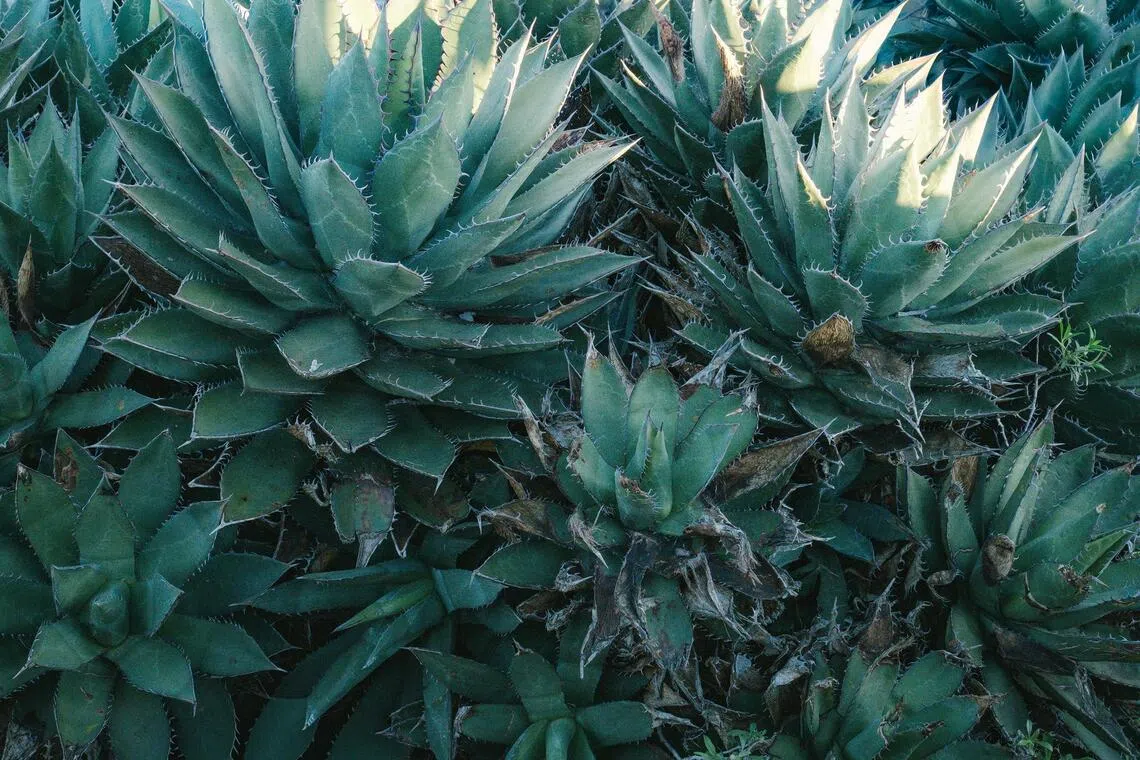
O’Neill is planning to increase production capacity in line with the maturity cycle of agave that has been planted in the state. The vast majority of agave will be harvested in the next two to three years, he said. His company has planted around 2.8 ha of agave to give it plants to work with.
The hope is that a number of brands and agave products hit the shelves in the coming years in order to create a new category. “We want more than one product coming to market,” O’Neill said.
Mexico’s industry is watching California closely to ensure denomination-of-origin rules are not violated. Tequila exports generate more than US$4 billion annually for the country, according to a 2025 report from the World Spirits Alliance, a global industry advocacy group.
Vaccaro is currently doing his fourth production run. Customers’ reception to his blanco and reposado varieties has been very positive, he said.
“It’s really easy to sell once people try it,” he said. The hardest part is getting it into consumers’ hands, due to a lack of familiarity.
“For most people, when you tell them it’s like sparkling wine and champagne, they’re like, ‘Oh, I get it,’” he said. “It’s a pretty easy explanation, and it’s just getting people aware that we’re actually doing it in California.” BLOOMBERG
Decoding Asia newsletter: your guide to navigating Asia in a new global order. Sign up here to get Decoding Asia newsletter. Delivered to your inbox. Free.
Share with us your feedback on BT's products and services

