

California’s holy grail: The good US$20 to US$30 wine
Good, moderately priced bottles are keeping costs down and giving younger consumers a point of entry
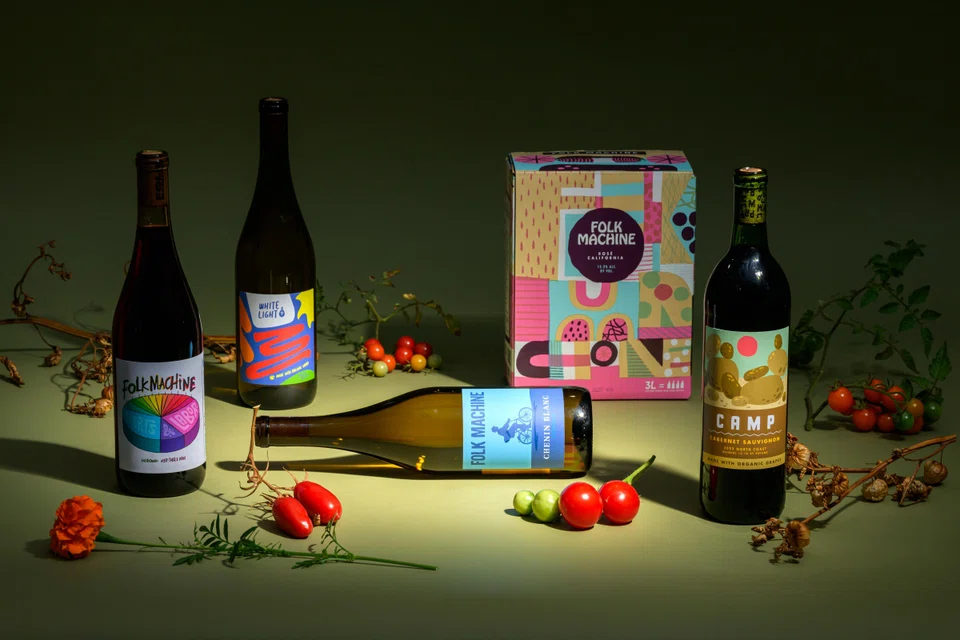
KENNY Likitprakong grew up around the wine business in Sonoma County. He started his own label, Hobo Wine Company, in 2004, just about when Sideways came out, the film that extolled the beauty and virtues of California pinot noir.
“Everybody wanted expensive pinot, US$50-plus, but I couldn’t afford those wines,” he said in an interview. “It would have been a huge splurge, and the same for most of my friends. The idea of a US$50 bottle was insane.”
Likitprakong decided to do something about it. Hobo would make good, affordable wines from conscientiously farmed grapes that would sell for under US$20.
“We wanted to make wine at a price that was comfortable for us and people like us,” he said, adding that he is not the kind of person who goes for a US$100 bottle of wine.
Twenty years later, Hobo, now a cluster of a half-dozen different labels, is still making terrific, moderately priced bottles. And the model that Likitprakong developed is showing the way for a rising category of California wines.
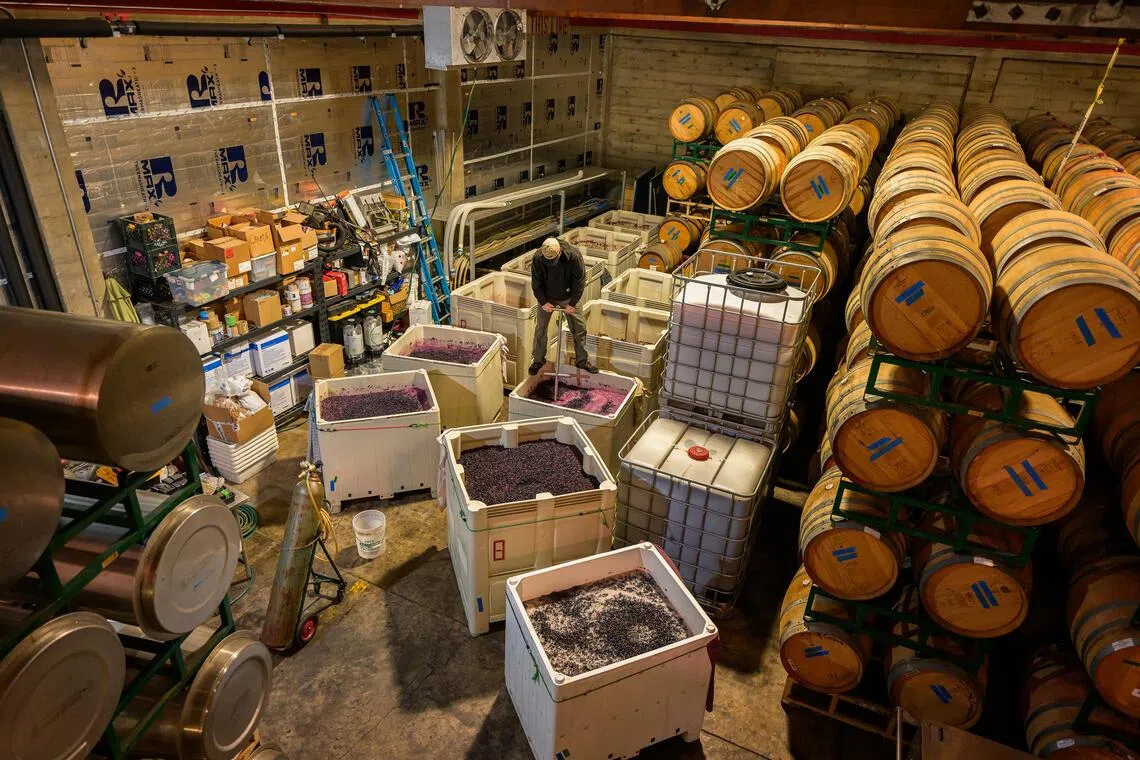
Wine sales have declined worldwide since the end of the pandemic. In California, where the focus has long been on producing either luxury wines or cheap mass-produced bottles, good, thoughtfully made wines like Hobo’s that don’t require a splurge have been rare exceptions.
But given the difficult economy in which inflation, war and tariffs seem to have made everything more expensive, wines like Likitprakong’s have become a sort of holy grail in California.
If they won’t solve all the problems wine faces, they will at least contribute to a short-term solution by keeping the cash flowing and possibly be part of a longer-range recalibration of the California wine business.
Changing wine culture
No, California producers are not suddenly filling wine shops with great US$20 bottles.

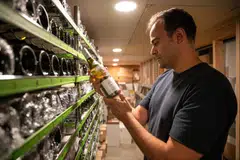
But gradually, more producers are moving to offer superb wines for US$20 to US$30 that can provide the proverbial Tuesday night bottle at home, or a good value on restaurant by-the-glass lists.
“The sort of expensive Napa cab thing, it can’t be the only thing we do here,” Likitprakong said.
“All this talk of young people not drinking, it does seem we need a point of entry, other than cheap low-quality wine. Consumers are too informed and too smart for that today.”
Making good, affordable wines with organically farmed grapes requires producers to keep their costs down, which, for consumers, means sacrificing familiarity.
That might mean making wine with picpoul from Madera County or valdigue from Solano County, rather than cheap chardonnay or cabernet sauvignon from chemically farmed vineyards in the Central Valley.
It might also mean shopping for the cheapest deal on bottles every year, switching from corks to screw-caps, and maybe settling for grapes that were machine-harvested rather than picked by hand.
The movement towards making these sorts of wines might also help to change the modern California wine culture – which in the late 20th century got less diverse in grapes and styles, and more bifurcated between luxury wines and inexpensive processed wines that imitated the more opulent versions with artifice and manipulation.
“We’ve done world-class, high-end wines very well,” said Jon Berlin, whose new label, Chasing Ether, is intended to make superb wines for around US$30.
“But that has led to people wanting to make luxury wine. There isn’t the culture of making affordable wines here, as there is in Europe. Instead, it’s bulk wine with disingenuous labels, not wines made with real intention.”
Patrick Cappiello, a former sommelier in New York who started Monte Rio Cellars in 2018 also with the aim of making good, affordable wines, remembers during his sommelier years finding an ocean of great cheap wines to put on his wine lists – but none from California. He’s happy to see that changing.
“It reframes the state in the direction we need,” he said. “If California is just making luxury wines, we’re missing out on the real thing about wine that drew us all to it.”
Berlin, a California wine veteran whose first vintage of Chasing Ether was in 2024, is making two main wines: a bright, tangy white blend that is primarily chenin blanc, and a spicy, savoury red blend that is mostly cinsault.
Both are priced around US$30. They are easy-going wines that are nonetheless delicious.
“I wanted to make approachable wines that would appeal to a younger demographic,” he said. “Not every wine has to be an event.”
He wants his wines to be the equivalent of good house or village wines, he added, and pictures his ideal customer as somebody who’s interested in good wine but can’t afford the expensive bottles.
“The opposite of bulk garbage wine”
Not all the producers starting to offer these sorts want to base their businesses on them.
Pax Mahle in Sebastopol, California, makes terrific wines under the Pax label that generally sell from US$35 to US$80 a bottle.
But in 2025, he added two really good cheaper bottles made of organically farmed grapes: Helios, a chenin blanc, and Cuvee Syrah sell for US$20 to US$25.
He made a year’s supply, he said, but it sold out within three months. He plans to make three times as much this year and is adding a sauvignon blanc.
“Typically, wines at that price rely on oak flavouring and concentrators,” he said. “These are the opposite of bulk garbage wine.” NYTIMES
Decoding Asia newsletter: your guide to navigating Asia in a new global order. Sign up here to get Decoding Asia newsletter. Delivered to your inbox. Free.
Share with us your feedback on BT's products and services
TRENDING NOW

Prima to move out of historic Keppel Road flour mill building in 2028

Grab CEO’s wife Chloe Tong on life with Anthony Tan and finding her purpose

OCBC sheds S$8 billion in value as shares close nearly 6% down; analysts cautious on banks

As Asia’s food delivery giants rejig the pie, who will win the market?

