

Why Rishi Naleendra and Loh Lik Peng are betting on Sri Lanka
With Walakulu and Kotuwa set to open in Galle, the duo see an opportunity in a nascent fine-dining scene
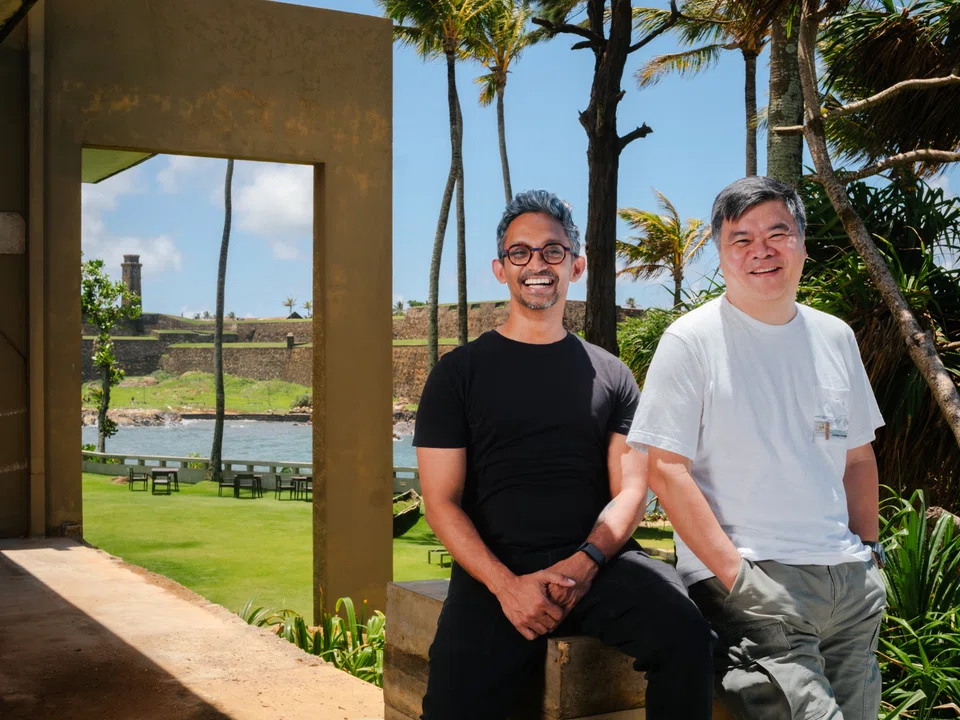
[SINGAPORE] There comes a time in a chef’s life, after he’s built up a certain level of success, when his inner ambition says: “Go open a restaurant in another country”.
Of course, in Singapore’s brutal F&B industry, that can also be a euphemism for “cut your losses and try your luck in a cheaper city”.
But for Sri Lanka-born Rishi Naleendra, opening a new restaurant in the land of his birth goes beyond money-making opportunities or even a nice prodigal son story, although both played a part.
Naleendra – chef-owner of Cloudstreet and Sri Lankan eatery Kotuwa – had been fielding offers to open there since becoming the first Sri Lankan to achieve two Michelin stars for his Singapore flagship.
But the stronger pull was a deep affinity for a country that he’s watched go through cycles of political and economic turmoil while he built his life and career in the thriving cities of Melbourne, Sydney and Singapore.
It’s also about “being a bit older, wanting to get into a (life) phase that’s not driven by self-benefit, but to give back”, says the 41-year-old.
Then again, it doesn’t hurt that he’s “a rock star in Sri Lanka”, laughs Loh Lik Peng, founder of Unlisted Collection and Naleendra’s long-time business partner and investor.
A different world
Loh is well aware of Naleendra’s dream of opening in Sri Lanka since Cloudstreet’s early days, and has supported the latter’s various fundraising efforts to help needy communities there.
While the pair had often talked about expanding to Sri Lanka, Loh concedes that his business instincts always kicked in. “My first reaction was, wow, Sri Lanka – do they have money to spend?”
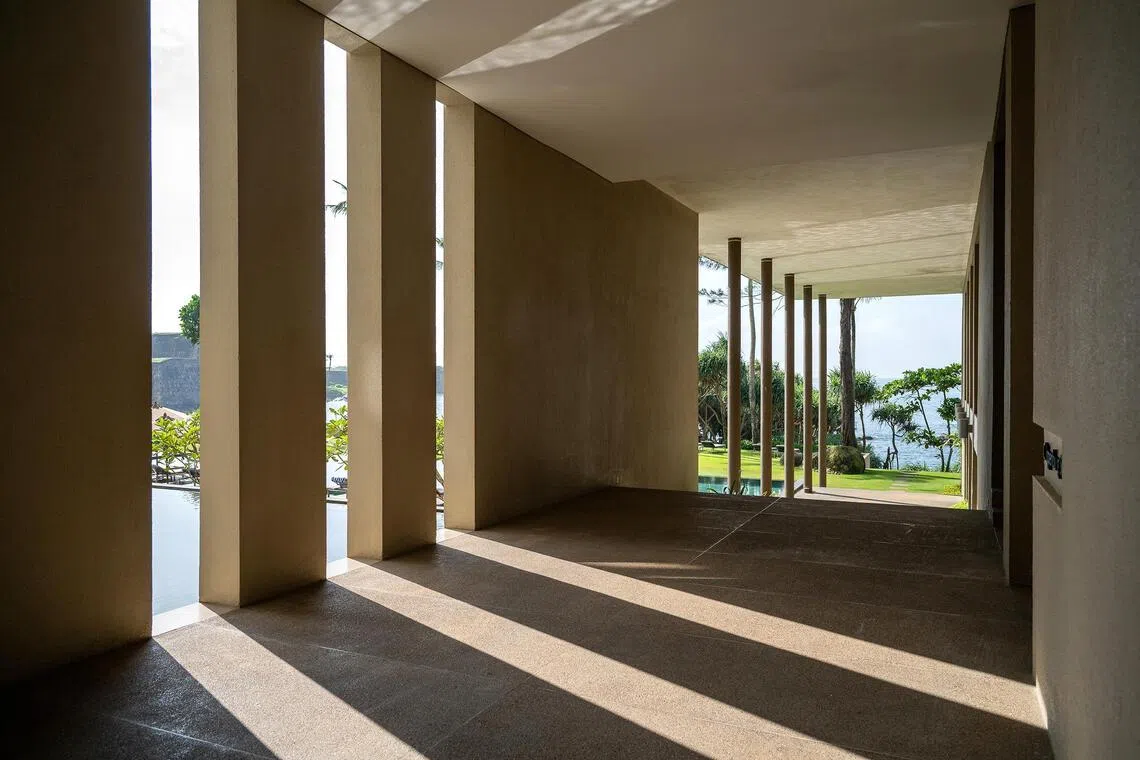
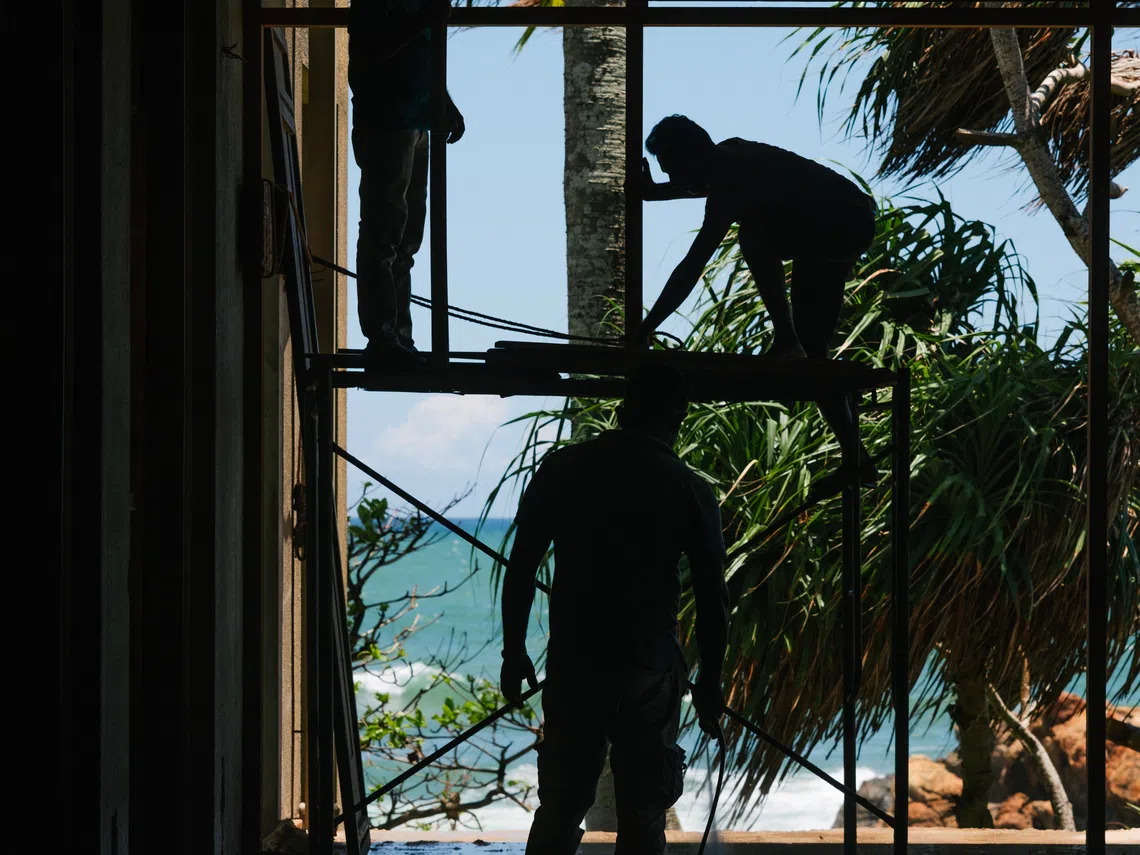
Loh hadn’t been back to Sri Lanka since visiting as a child 45 years ago. But a trip to Galle, the famed coastal resort city a one-and-a-half-hour drive from Colombo, blew his mind. And he gave Naleendra the green light to open Walakulu, a fine-dining Sri Lankan restaurant that sits on a promontory right next to the historic Galle Fort, looking straight out to the Indian Ocean.
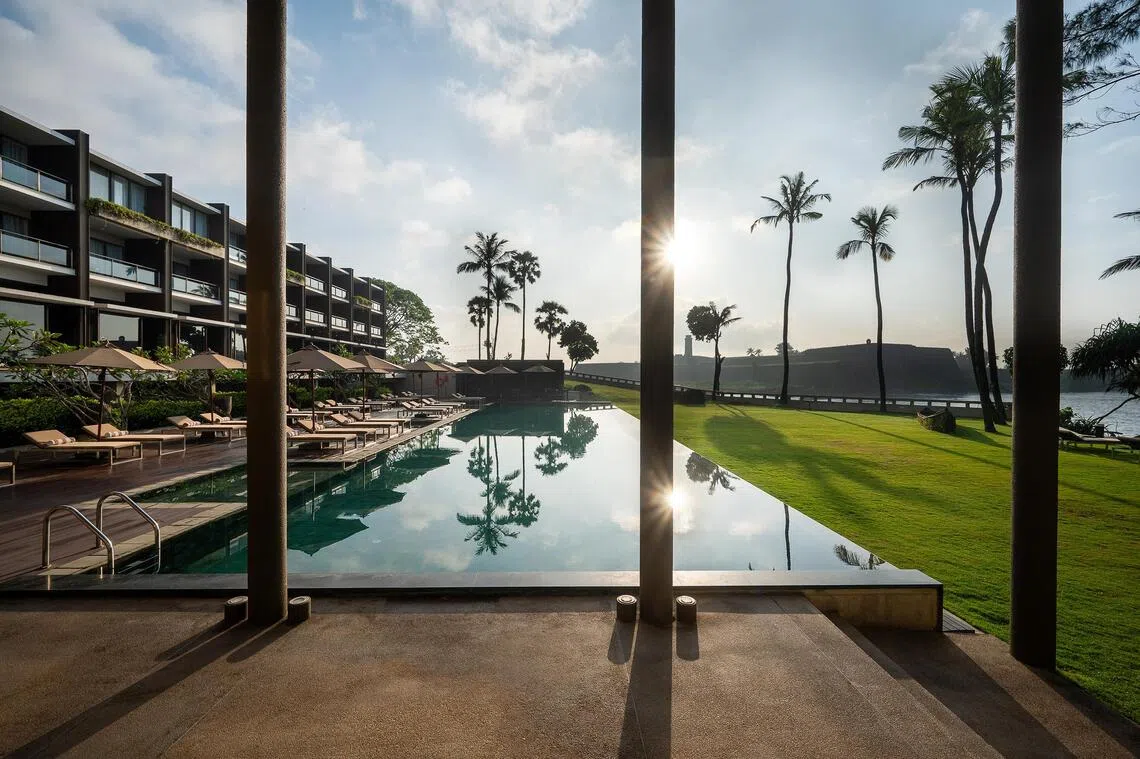
“When I first walked into the site, my jaw hit the ground,” says Loh. “I’d never seen anything so spectacular.”
The restaurant, which is still undergoing renovations within the luxury resort Le Grand Galle, is scheduled to open in November. Its name is Sinhalese for “clouds”, but while it takes its inspiration from Singapore’s Cloudstreet, Walakulu will be 100 per cent Sri Lankan in interpretation, says Naleendra.
That means all ingredients will be sourced from around the country, through a local network of producers that includes a Belgian couple who make their own burrata and cheeses from buffalo milk, a seaweed farmer and fishermen supplying local uni – normally considered vermin by locals rather than a delicacy.
“It’s briny and minerally, not like the sweet Japanese variety, but we will figure out ways to use it,” says Naleendra, adding that sourcing locally isn’t just about building up restaurant supplies, but also supporting local producers.
“If we don’t contribute to the community, there’s no point in doing something in Sri Lanka. You have to involve everyone.”
Getting the numbers right
Naleendra knows full well that lofty visions and great concepts mean nothing if a business isn’t financially viable. “I’ve learnt from working with Peng that if something’s not financially viable, no matter the cost or hard work or how great the vision is, it’s not going to last.”
Loh, who is clear that he would never have invested in Sri Lanka if not for Naleendra’s connections and insider knowledge, says: “I’ve opened one single restaurant in a foreign country before and no matter how critically acclaimed it is, you’ll die if you don’t have the right infrastructure.”
He adds: “We don’t have the kind of infrastructure there that we have in Singapore – accounts, human resources, all the headquarters kind of things. So we are making sure that we have the right expertise there to execute a project like this. We talked through all the pitfalls and Rishi has made sure that he ticked all those boxes.”
For this reason, they have joined hands with the Japanese owners of Le Grand Galle, who will be their operating partners.
“We take a lease and run under the hotel, so we don’t have issues with getting an operating licence, and they handle HR as well,” says Loh.
This arrangement takes care of regulatory and administrative issues, paving the way for them to focus on the restaurant itself.
Risk-wise, “the fixed overheads are a fraction of what they would be in Singapore, although the revenue also won’t be as big”, says Loh. “But if we look at it in terms of the ratio of costs, I think we can build a healthy business.”
A shared mindset
Naleendra remembers meeting the son of the Japanese owner, whose family runs a listed company in Tokyo. He asked him why, of all places, they chose Sri Lanka. They currently have two hotels and are building a third.
“They invested at a time when the country was still in chaos. But he said that his dad used to live in Sri Lanka and was in love with the place. And he just wanted to do something to help boost the livelihood of the people there by creating jobs.”
It’s a mindset that echoes Naleendra’s own.
“I was born in Sri Lanka, but I’m an Australian citizen and a Singapore resident,” he says. “I feel I’ve contributed to the industry in Australia and Singapore. I had free education in Sri Lanka for 18 years, so this is how I can give back by bringing my knowledge and expertise back to the country.”
And that includes creating opportunities for young chefs, “giving them an experience they can’t get anywhere else in Sri Lanka”, he adds. “Otherwise, they have to travel and work at a Michelin starred-restaurant overseas; there’s nowhere in the country where they can work at that calibre.”
But will it work?
With Sri Lanka’s tumultuous history, any apprehension on the part of foreign investors would not be unfounded.
Which is why it was so important to Naleendra for Loh to buy into the project.
“I’m Sri Lankan, it makes sense to me,” he says. “But for someone like Peng to actually put his hand up and be there, it makes a huge difference in restoring confidence in this country.”
Loh sees immense potential in Sri Lanka, which reminds him “of Bali 30 years ago” and even Melaka with its rich heritage. “In 20 to 30 years it can be a major tourist destination.”
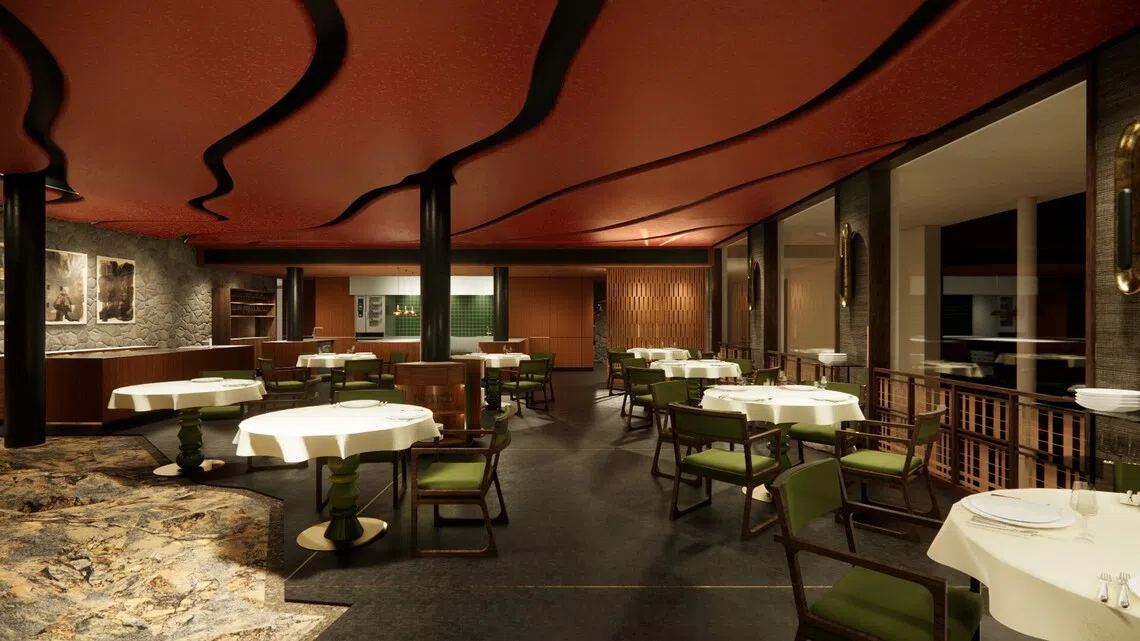
In fact, Walakulu is only their first project, says Loh. They are in the final stages of confirming a Kotuwa outlet within Galle Fort itself – a Unesco heritage site. It’s an apt name since Kotuwa means “fort”, “so it’s literally a fort within a fort”, says Naleendra.
As someone new to Sri Lanka, Loh is impressed with what he’s seen.
“If you go to Colombo, the streets are spotless. It’s very organised. Of course it’s not a rich country and there are many pockets of poverty. But the urbane Sri Lankans are very sophisticated, educated overseas and they all have money to spend.”
This is the target demographic Walakulu is aiming for, and of course tourists, who will make up a substantial portion of their business. Naleendra quotes reports that over 50 per cent of tourists arriving in Sri Lanka visit Galle at least once.
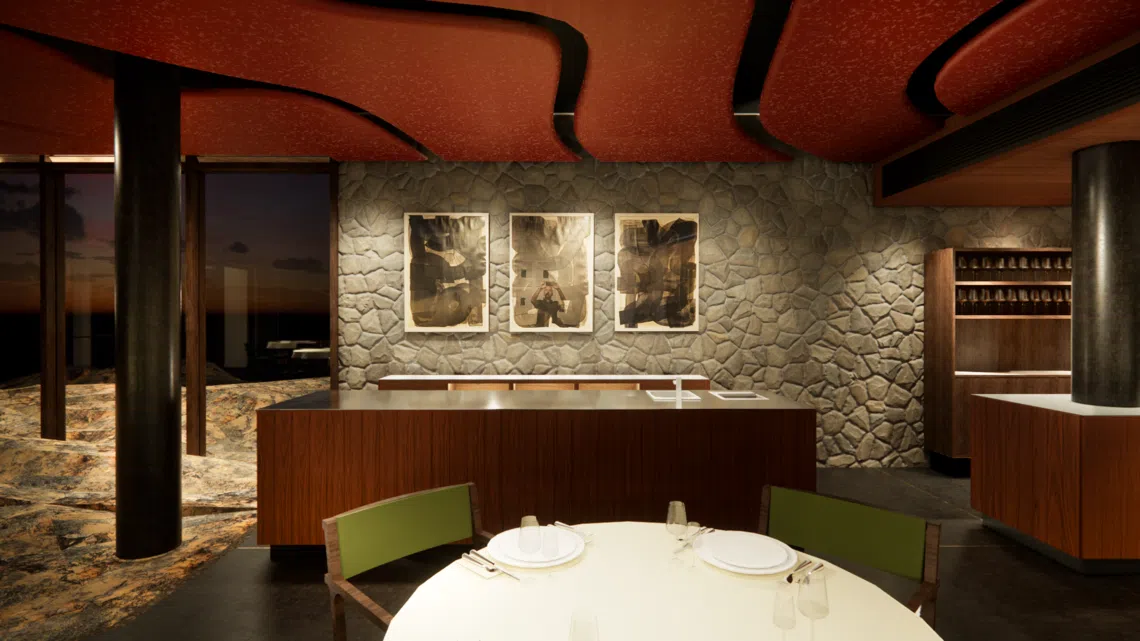
Walakulu will also add to a fine-dining scene that is almost non-existent, he says.
“There isn’t really a fine-dining restaurant of this calibre because we lost tourism in the 80s because of the civil war, and a lot of chefs and hoteliers moved to Dubai, Europe and Australia. And no one went back.”
But he sees that changing as wars and geopolitical uncertainties pave the way for overseas Sri Lankans to return home.
“We’re seeing a huge movement of people from our generation coming back to try and change things. Not just in food, but in art, design, technology, everything.”
Naleendra and Loh know they’re not changing the world, and their passion project has to pay for itself. But as Loh puts it: “I know he always wanted to go back and it’s something very close to his heart. You can’t say no, right?”
Decoding Asia newsletter: your guide to navigating Asia in a new global order. Sign up here to get Decoding Asia newsletter. Delivered to your inbox. Free.
Copyright SPH Media. All rights reserved.
TRENDING NOW

S$8 billion wiped off OCBC value as shares slide 5.8% in heavy trade

Grab CEO’s wife Chloe Tong on life with Anthony Tan and finding her purpose
Brookfield denies accusation it cut Soilbuild out of Mapletree deal
8 public officers referred to police over property buys near unannounced MRT stations: Chan Chun Sing

