S$3b money laundering auction: How Hotlotz landed its biggest consignment
The 12-year-old auction house has been steadily building its reputation in the city-state

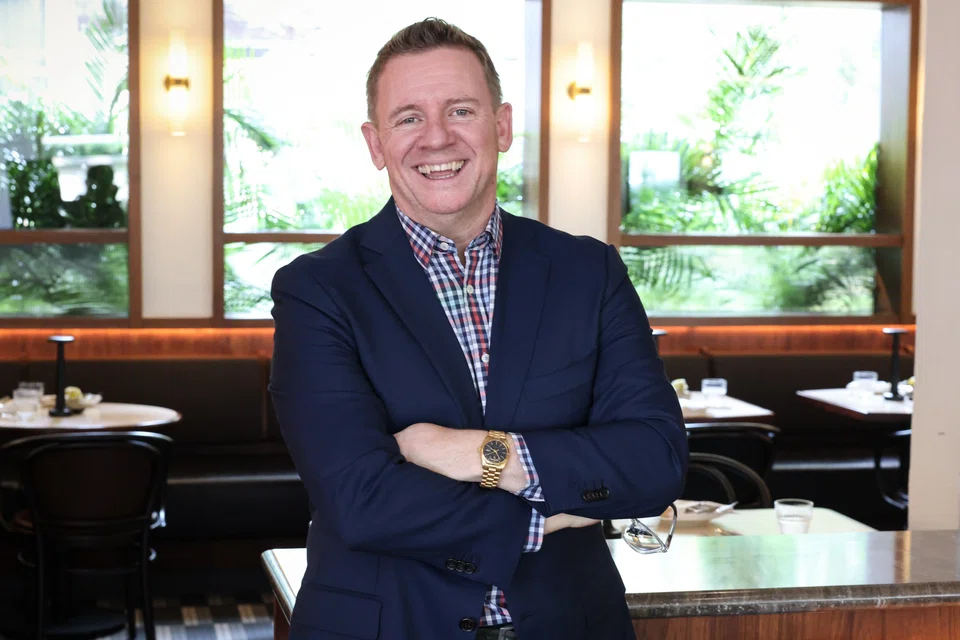
[SINGAPORE] When Deloitte Singapore invited auction houses to express interest in selling the luxury goods forfeited in Singapore’s S$3 billion money laundering case, Singapore auction house Hotlotz threw its hat into the ring.
What followed was a lengthy and formal engagement process, with Hotlotz learning about three months ago that it had secured the appointment.
For a company that started almost 12 years ago as a small Singapore auction business, it was a significant win.
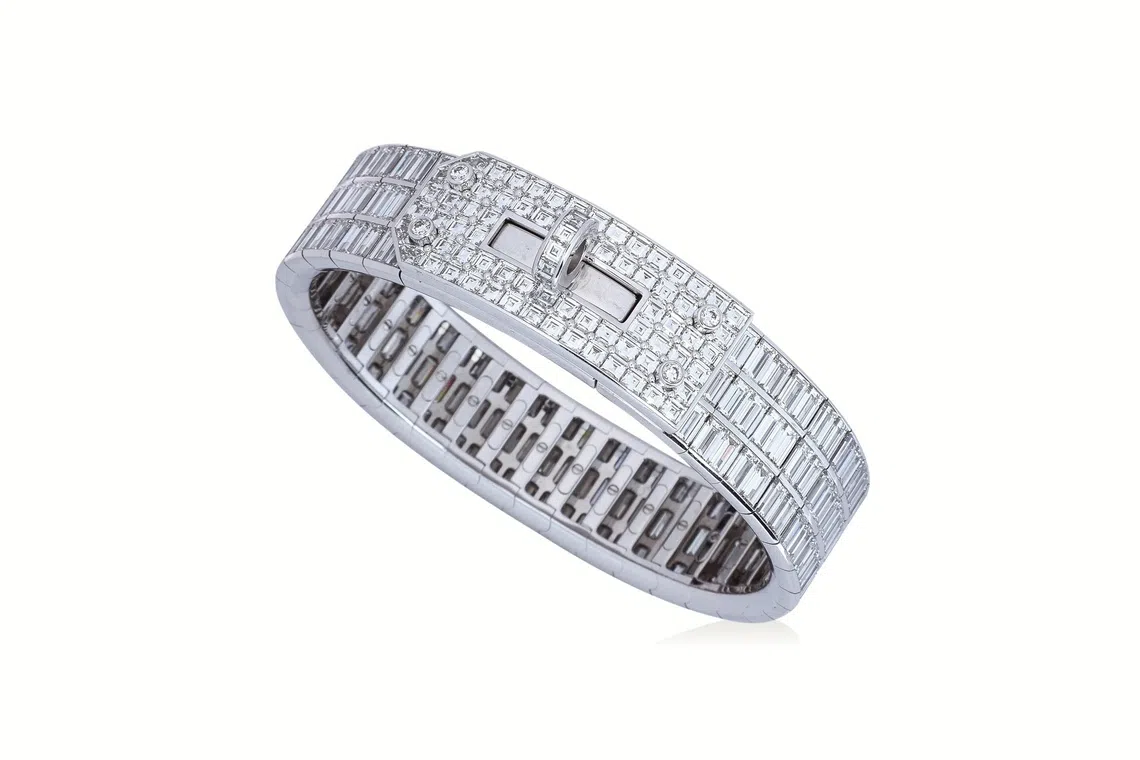
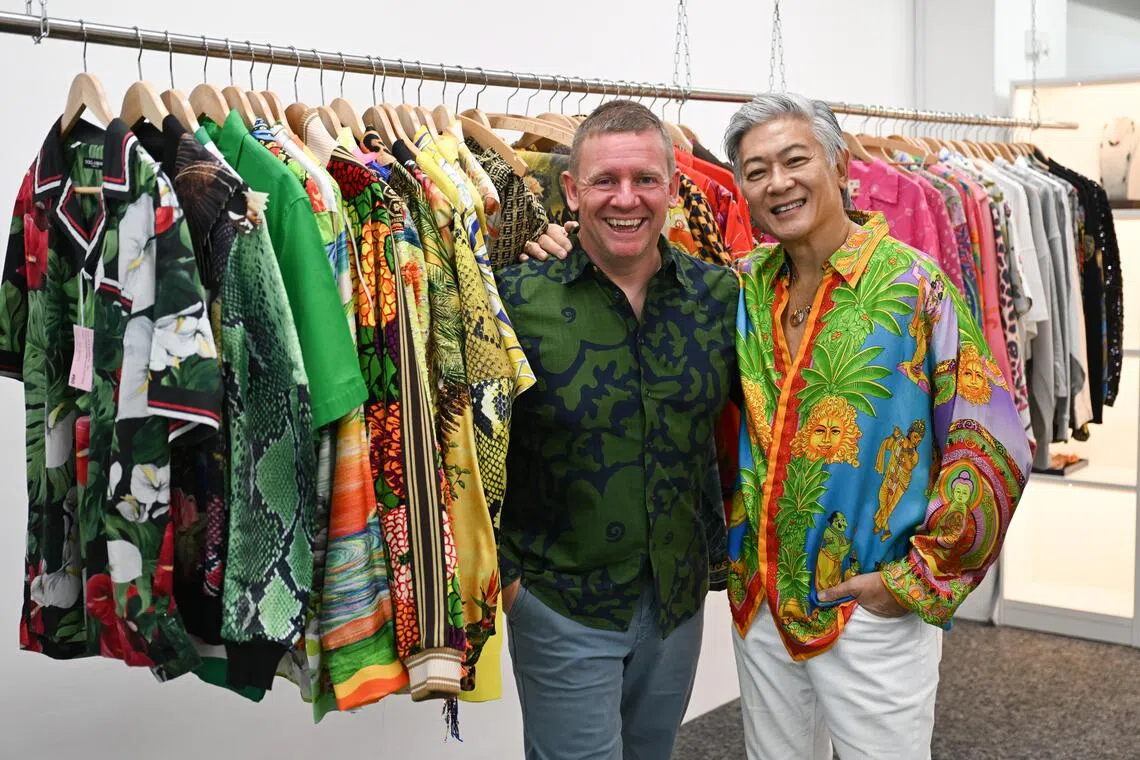
“We were delighted,” says founder and CEO Matthew Elton in an interview with The Business Times. “It’s a Singapore story, and I think it should be told by a Singapore auction house.”
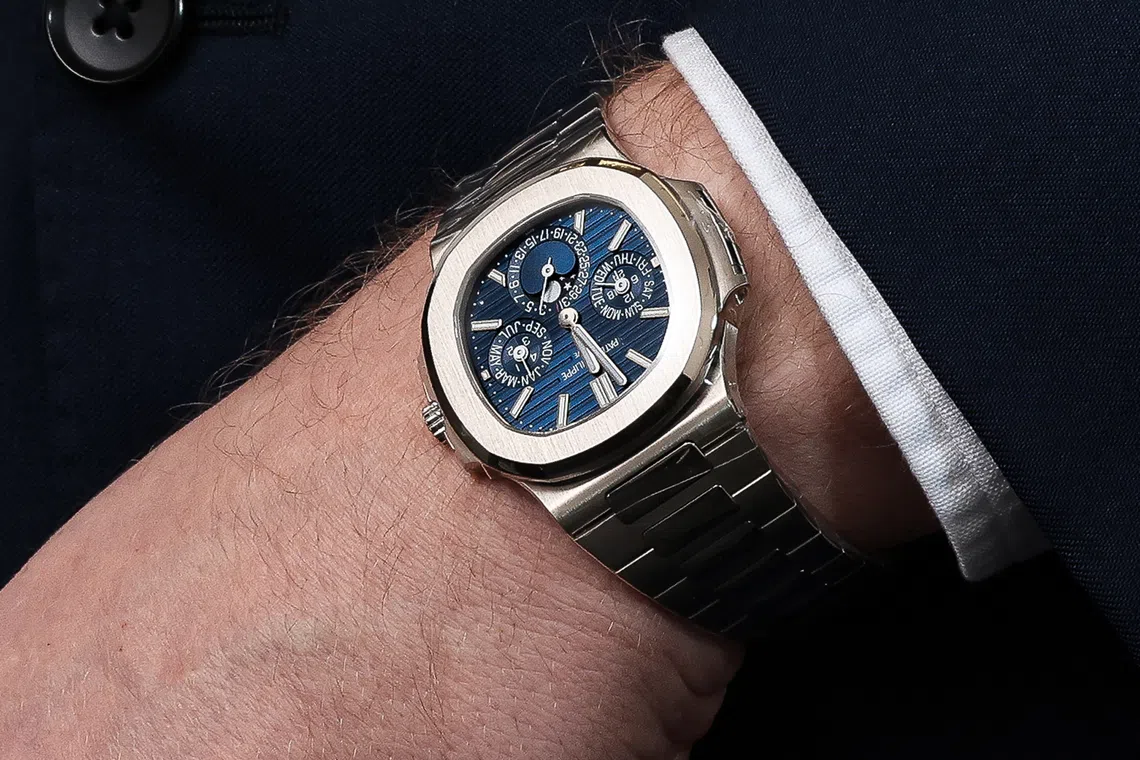
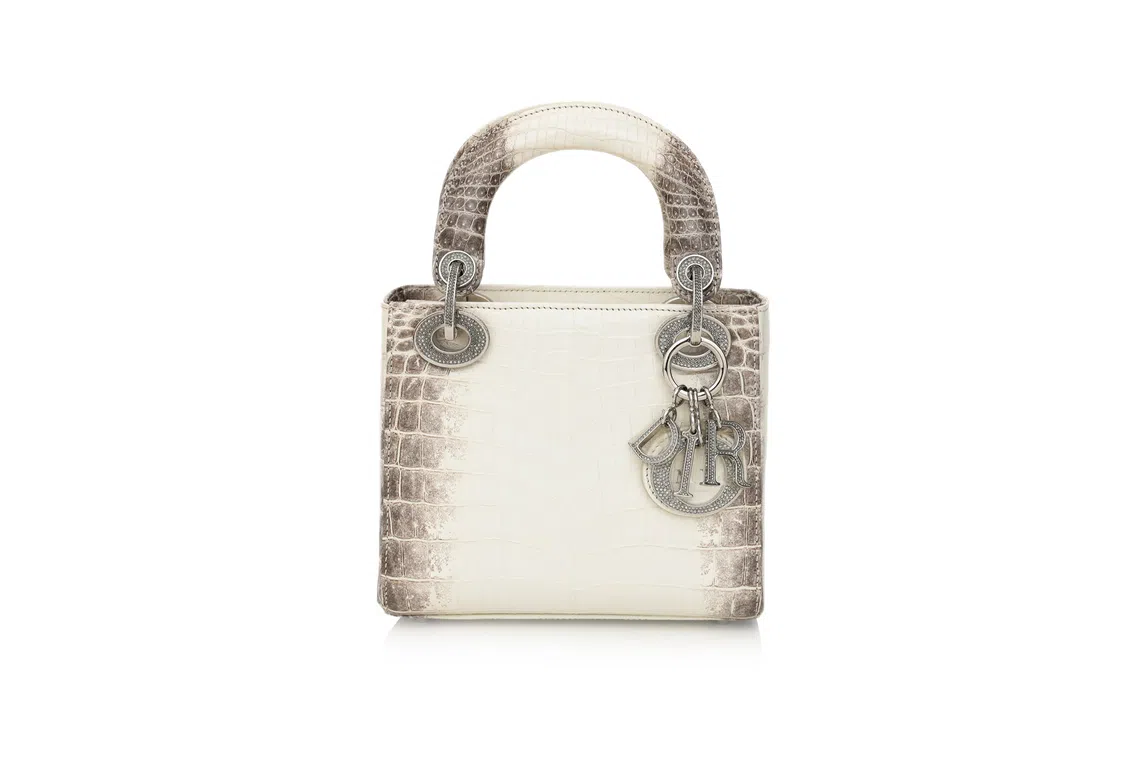
Hotlotz will conduct 15 timed online auctions over nine months, covering jewellery, watches, handbags, Hermes pieces and other collectibles forfeited in connection with the case.
The first two sales open for bidding on Sep 7, with 338 handbags and accessories, and 286 pieces of fine jewellery. These have a combined pre-sale estimate of S$2.9 million to S$3.9 million.
Elton believes the appointment reflects the infrastructure Hotlotz has quietly built over the years.
“We’ve grown our reputation the hard way, the old-fashioned way,” he says. “Singapore’s a small country, and people talk to each other, so we’ve relied on word of mouth to build the business.”
Unlike international auction houses whose biggest sales have traditionally been carried out in Hong Kong, Hotlotz has built its business around conducting sales from Singapore while reaching buyers overseas.


Technology, says Elton, has been central to that evolution.
About six months before the Covid-19 pandemic, he decided to abandon the traditional rostrum-and-hammer bidding system and move Hotlotz entirely online – a decision he now calls his “finest business judgement call”.
Then Covid-19 struck. “Everyone was at home and shopping online, everyone was clearing out their houses… and our business absolutely exploded because of that.”
For the forfeited-asset auctions, Hotlotz is taking its digital model a step further. Singapore bidders will be able to use SingPass during registration, while overseas buyers will undergo checks involving passports, facial recognition and proof of address.
Overseas buyers typically account for about 20 per cent of Hotlotz’s sales, though Elton declines to speculate on their share in the upcoming auctions.
Because the auction house is now dealing with objects whose former owners are not its clients, Hotlotz is also taking additional care to authenticate the objects.
“We take a very, very hard line on authenticity,” Elton says. “If we have any concerns at all about the authenticity of any product that we sell… we just don’t sell it.”
Given the origins of the collection, he sees transparency as particularly important. “These are the proceeds of crime. So they should be handled with the utmost transparency.”
That said, most of the objects are in “good condition”, he says, with some apparently never worn and still retaining their original tissue wrapping.
Decoding Asia newsletter: your guide to navigating Asia in a new global order. Sign up here to get Decoding Asia newsletter. Delivered to your inbox. Free.
Copyright SPH Media. All rights reserved.