The US’ oldest road racetrack starts a big, costly facelift
Willow Springs’ new owners have big plans to lure wealthy drivers and their expensive supercars
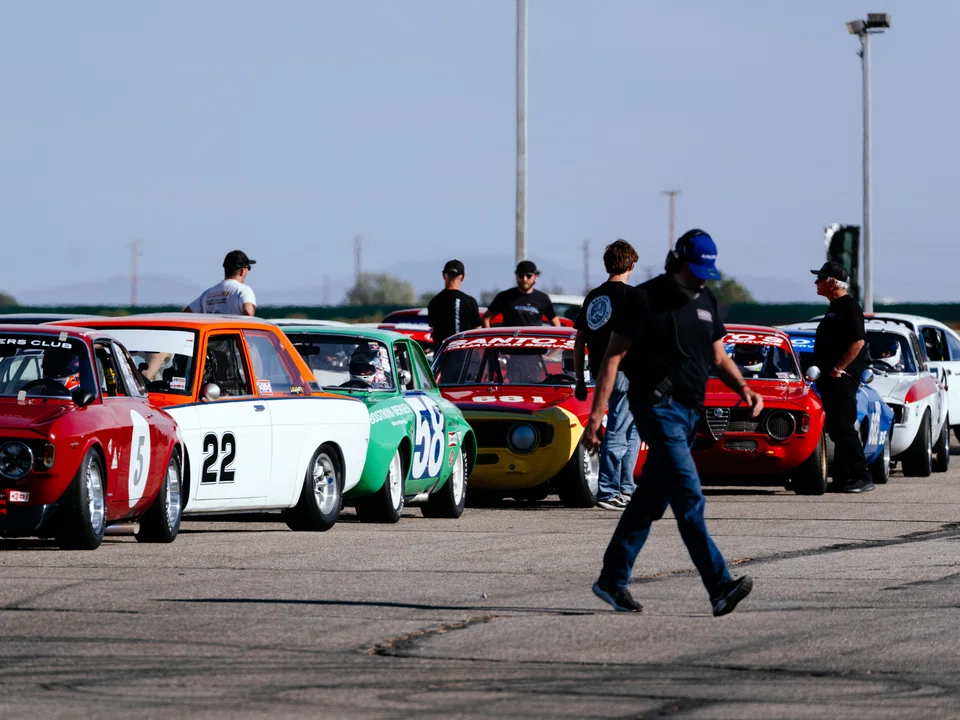
[ROSAMOND, California] Deep in the Mojave Desert, about a 90-minute drive from Los Angeles, sits the Willow Springs International Motorsport Park. It dates to 1953, making it the oldest road course of its kind in the country – and, until recently, one of the most spartan, as far as facilities go.
But as sports cars have grown ever faster, especially at the highest end, demand has grown for upscale private tracks.
The supercars of today can hit speeds not safely attained on public roads. The new owners of the track, in Rosamond, California, are making plans to cater to these cars’ deep-pocketed owners.
Golf course developers long ago learned there was good money to be made adding a 19th hole: a clubhouse bar and grill. Over time, condominiums joined those establishments in generating revenue.
Across the US, tracks have adopted this model, especially with automobile racing increasing in popularity – driven by the success of Netflix’s Formula 1 show Drive to Survive, and by wealthy collectors eager to take their prized cars for a safer – and legal – high-speed spin.
The Huth family, the track’s owners since 1962, sold it this year to a joint venture that brought together Cross Harbor Capital Partners and Singer Vehicle Design, in a spark of marketing synergy. In mid-October, an event called Willow Springs Reimagined Day showed off the racetrack to the public with racing and other events.

Cross Harbor is the driving force behind the Yellowstone Club, a private skiing, golfing and “adventure” community spanning some 1,100 hectares in Big Sky, Montana, among other ventures.
The club has prospered, with expensive homes, initiation fees of US$400,000 and a cap of 900 members. Among them: Bill Gates, Mark Zuckerberg, Tom Brady, Warren Buffett, Justin Timberlake and Bill Ackman.
Singer Vehicle Design makes seven-figure confections based on used Porsche 911s. The Singer brand is catnip to the motoring rich.


Founded in 2009 by Rob Dickinson, former lead singer of the British band Catherine Wheel, Singer has designed, built and sold more than 700 re-imaginations of the 911, at prices today running from US$995,000 to US$3.5 million.
Owners must first supply, at their own expense, an older 911 for Singer’s makeover; such cars typically add US$100,000 to US$300,000 to the overall cost.
Similarly, the Singer Drivers Club at Willow Springs will not come cheap. Members will be capped at 400 – not all will own Singer creations, but each will pay a US$450,000 initiation fee and annual dues, giving them access to the track in their own supercars or borrowing from a fleet of Porsche racecars that the club will maintain for members’ use.
This model has already proved successful for tracks from Miami to Monticello, New York, among many others.
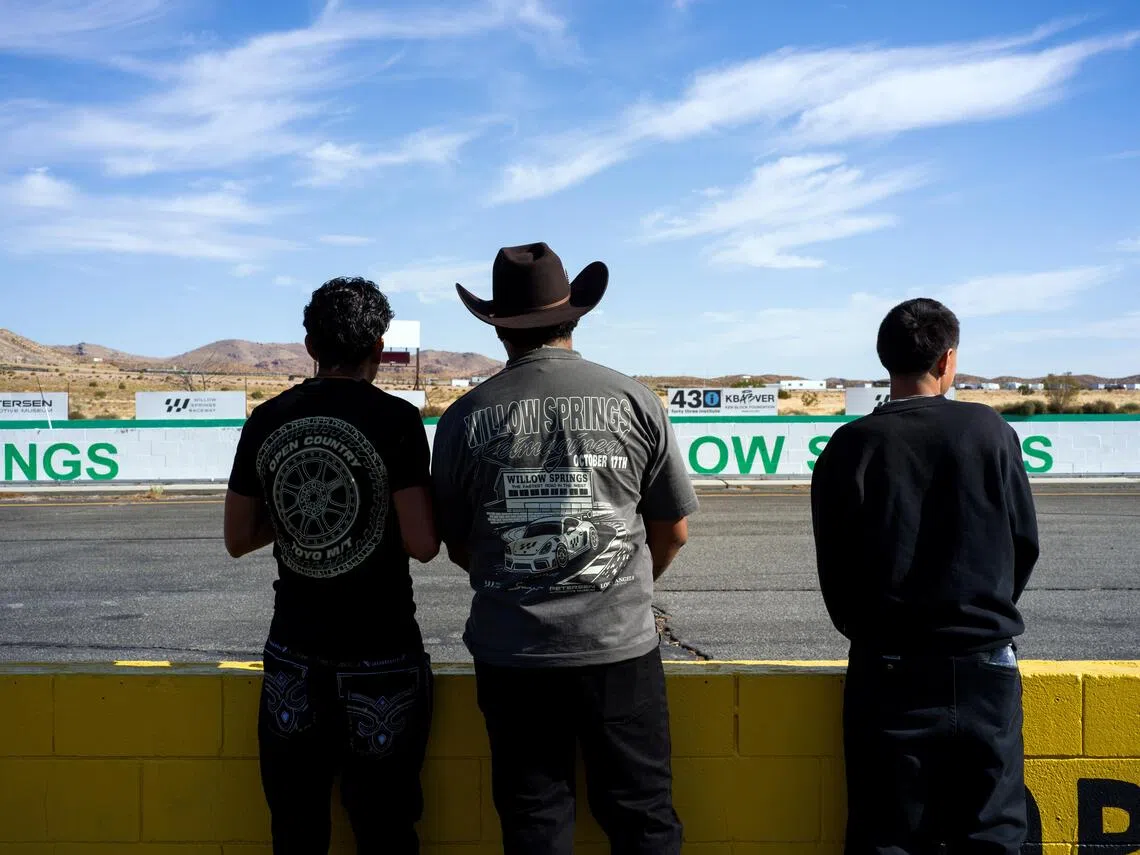
Willow Springs, hugging the feet of the Tehachapi Mountains, not far from Edwards Air Force Base, features seven tracks, including the 4 km Big Willow. That track is admired for its steep elevation changes and tight corners and is known as the “Fastest Track in the West”.
Other courses accommodate karts, off-roaders and drifters. Racing drivers can visit to hone their skills; driving schools use the tracks as well.
While most of Willow Springs’ 240 hectares remain undeveloped, the Huths eked out a decent living from the property, an official California Point of Historical Interest and an artifact from a simpler time.
But big plans are afoot. At full membership, Singer Drivers Club member fees alone should add US$180 million in working capital to the venture, which should help get the clubhouse built, along with new pit and paddock facilities, as well as upgrades to five tracks.
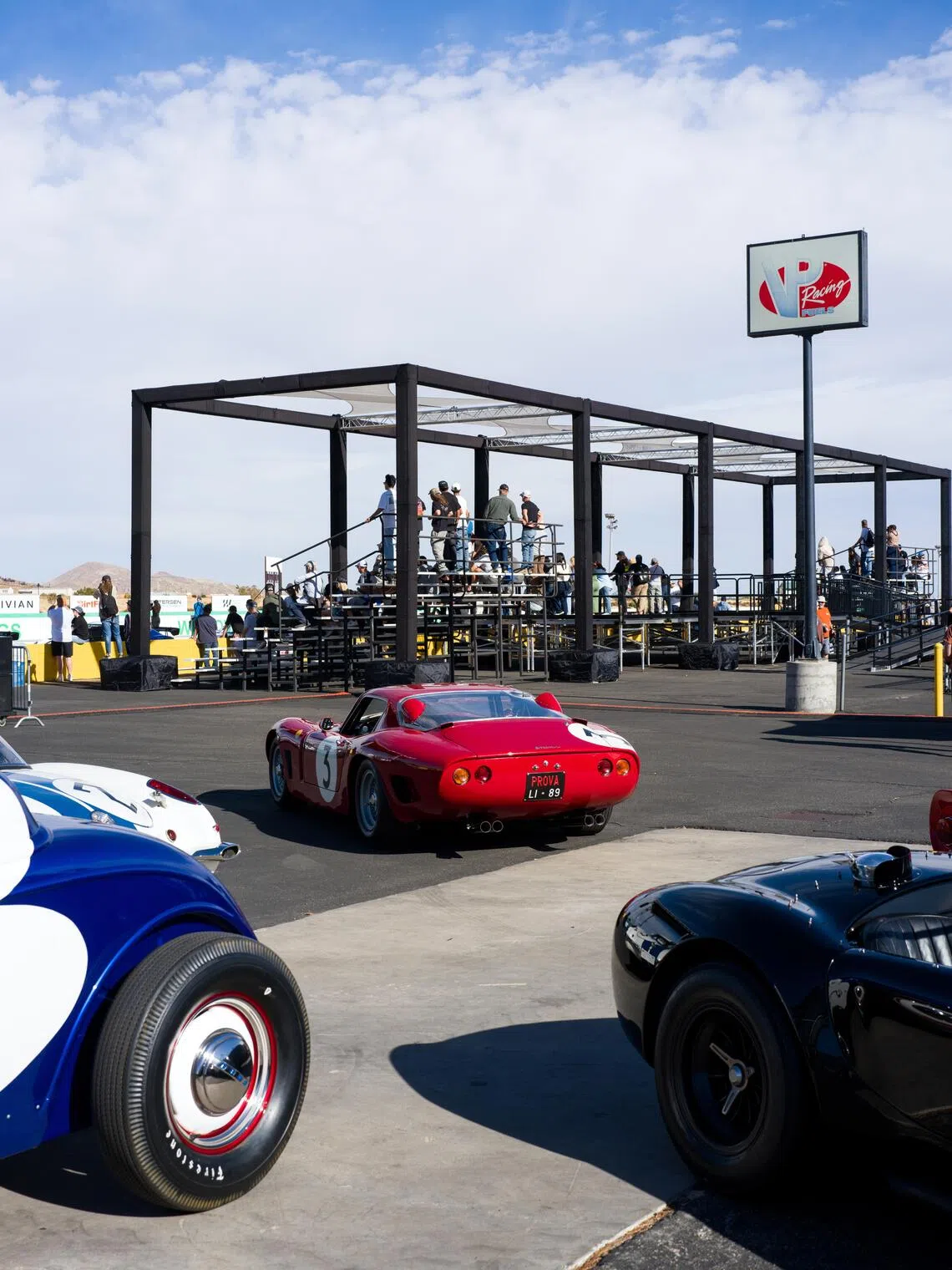
A Singer executive, Maz Fawaz, said the goal was that these amenities for the affluent would help keep the rest of the place accessible.
“We want to keep it open to the public,” he said. “Not build mansions and be out at a track by yourself. We all want a place where people can actually bring their friends and their families and see cool stuff. The private club part is like, ‘All right, you can do it in a very nice way, but you’re still part of the part of the community.’”
Dicky Riegel, one of three general partners at Lime Rock Park, a postwar track in Connecticut that has added upgrades such as garage condos and luxury boxes, said his group had been watching developments at Willow Springs closely.
Serving the New York market, his group, too, is working to develop deluxe lodging at or near the track.
Membership in its club begins at a considerably cheaper US$16,500 a year. Considering the membership fees that Singer Drivers Club requires and the near certainty that it has sold out or will do so, for Willow Springs, he said, “the club is the special sauce”.
Brian Davis, a Cross Harbor partner, concurred. “The private club facilitates the whole thing,” he said. “It gives you the capital and the stability to make the long-term investment in the entire facility. For everybody, right? It’s a preservation tool, absolutely.”
Alex Wurz, a course designer, has been brought on to tweak the Willow Spring tracks’ design and improve their safety. Additional dining and shopping opportunities are in the works, along with garage condos, classic-car storage, and repair and restoration shops.
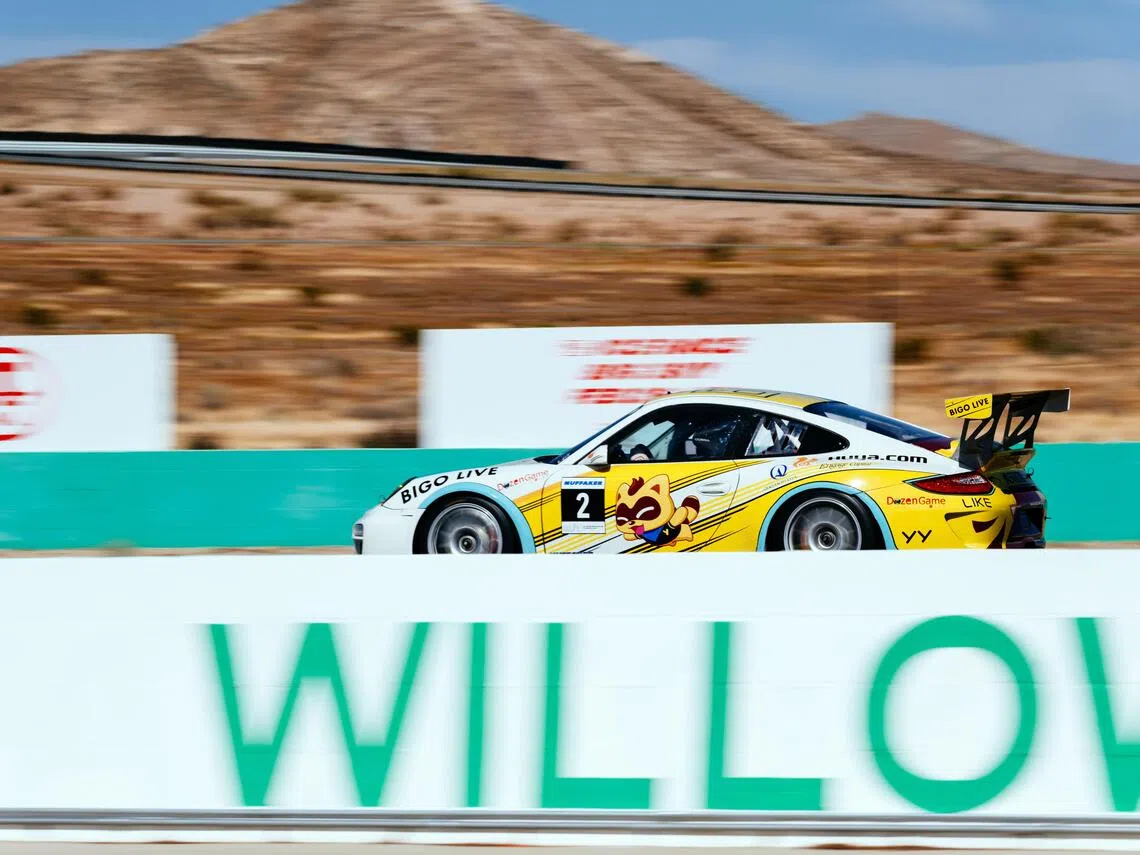
Further along, testing by car manufacturers is anticipated, and, though no plans have been detailed, fine-dining restaurants, luxury residences and worker housing seem likely to follow. Davis said officials in Rosamond, which has a population of 21,000, have supported the plans.
Speaking with journalists at Willow Springs shortly after the joint-venture announcement, Fawaz cited the track’s history, layout and empty land in the push for Singer’s first cooperative foray into real estate. And as with everything in real estate, the location was crucial.
“Of all the places I think in the world that should have that kind of stuff, it’s here,” he said. “We go to Monterey, we go to Goodwood in England, Japan – we travel the whole world to do this stuff at Singer. Weirdly, none of it is here. I live in Santa Monica, like 11 streets from the ocean. It’s an hour and 10 minutes from my front door to get to Willow. It takes me as long to get to dinner in downtown Los Angeles.”
Dickinson, the Singer founder, added via e-mail: “LA is where Singer began and it’s at the heart of the automotive world, so it deserves to have a fantastic motor sport facility.”
The enterprise will be a multi-year process, Fawaz and Davis agreed, but Fawaz imagines a day when the site will host annual events in the vein of England’s premier shows, the Goodwood Revival and its Festival of Speed.
“The idea that we could be a part of resurrecting this place means a lot to us,” he said. “Nobody intends to leave its history behind or make it so polished and shiny that it becomes another thing. But to bring it up to a standard.”
Davis is bullish. He said many track owners and developers were “trying to bring together these different components of collecting and driving”.
“Some have done it to high degrees of success – for what they’re after,” he added. “But I don’t think there’s a place that totally captures what is possible here, part of because of the scale of what you have – all this track infrastructure that exists. It’s hard to build a new racetrack.”
Here, in a region with 25 million people, however, “we have a lot of empty space”. NYTIMES
Decoding Asia newsletter: your guide to navigating Asia in a new global order. Sign up here to get Decoding Asia newsletter. Delivered to your inbox. Free.
Share with us your feedback on BT's products and services