

Apple is handing AI power to its rival Google
By using Alphabet’s tech, the iPhone maker risks relying too much on its competitor and giving it leverage
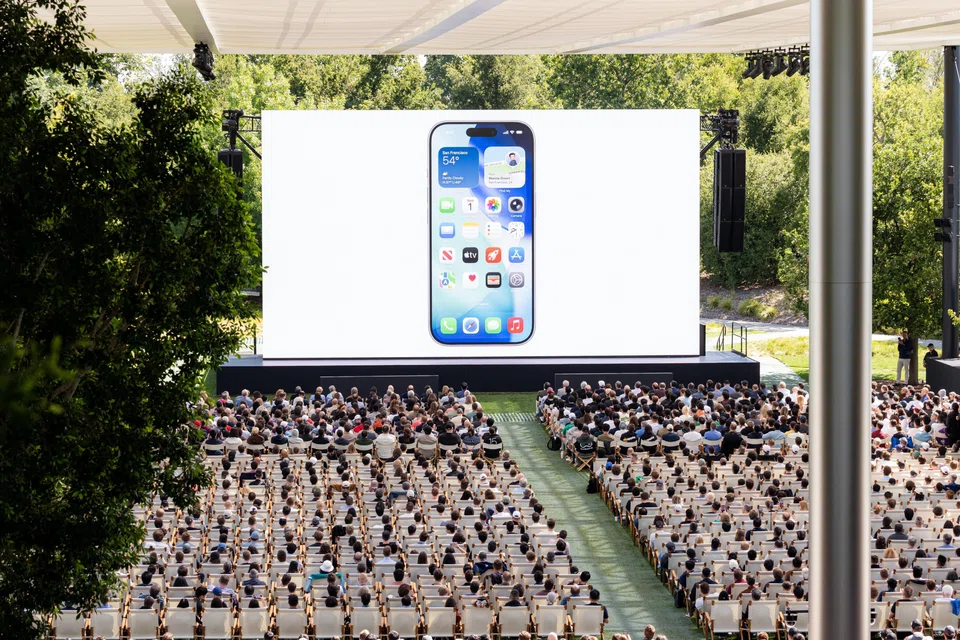
TIM Cook’s last annual showcase of new software as Apple’s CEO also marked the start of a deepening relationship with one of his biggest competitors: Alphabet.
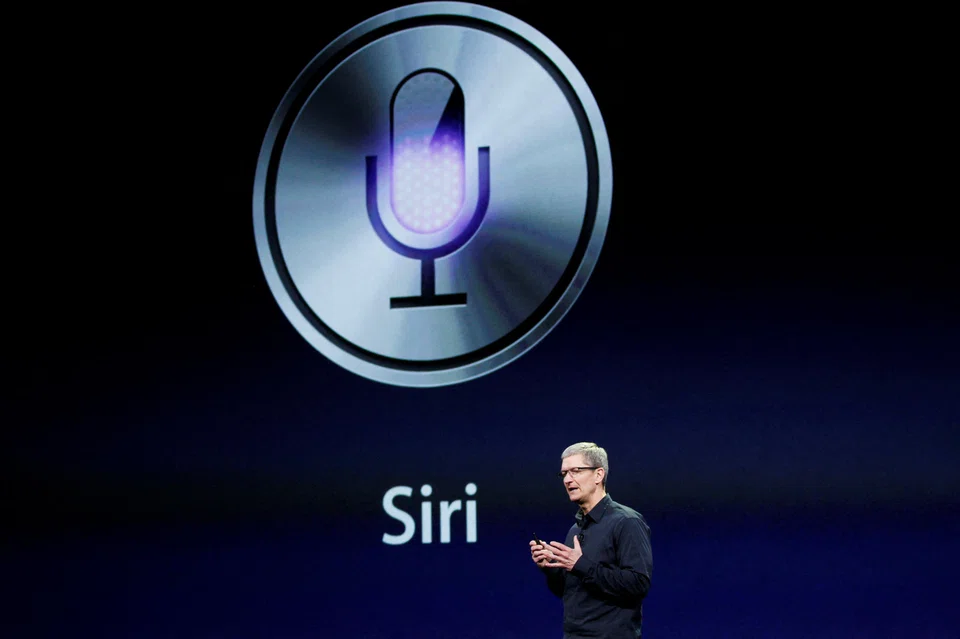
It was long expected that the highlight of Apple’s World Wide Developers Conference this week – a pre-recorded glorified infomercial for the public and workshops for programmers – would be an artificial intelligence upgrade to the virtual assistant Siri. A proper one.
Apple claimed two years ago that Siri would soon read content on an iPhone screen and complete multistep tasks such as taking some text from Notes and sending it to a friend by e-mail.
Those features were embarrassingly delayed and forced Apple to admit it had overpromised. The stumble was a reminder of how badly the company had fallen behind in generative AI, a field it once believed it could ignore.
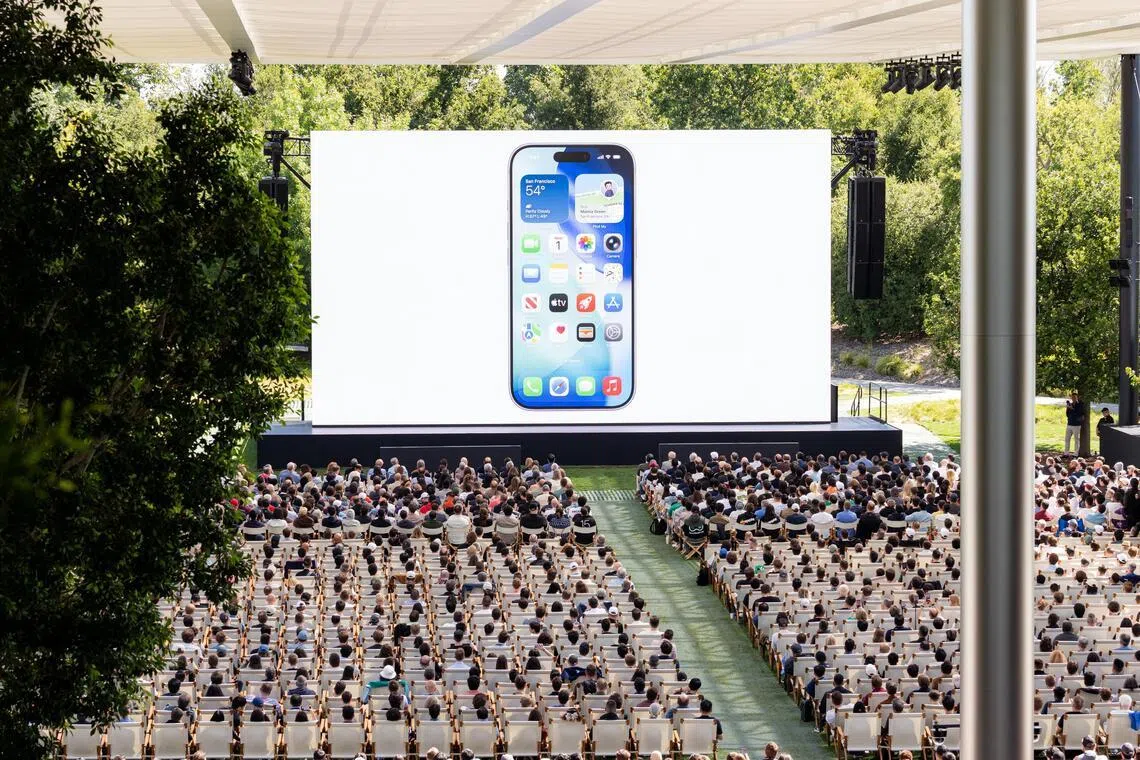
Apple didn’t just underinvest in these models, it argued that its strict privacy policies made it difficult to collect user data, a critical step in building generative AI – where the technology can create stuff by itself.
That’s now changed because it is getting technical help from Alphabet’s Google.
The iPhone maker’s partnership with OpenAI has been eclipsed by this much deeper relationship with a company it competes with on devices, software, browsers, maps, advertising and, increasingly, how people find information using AI.
The upgraded Siri and a range of apps with more AI features will be rolled out later this year, initially skipping the EU and China for regulatory reasons, with much riding on how well they work in the wild.
Relying on Gemini
Behind the scenes, Apple is looking more dependent than ever on Google, potentially handing the latter more negotiating clout in their business relationship.


Google pays billions of dollars each year to be the default search engine on iPhones, but now its cloud and AI infrastructure are essential for its rival’s “Apple Intelligence” features.
Apple’s official line is that its AIs were “developed in collaboration with Google”, distilled from the search giant’s Gemini chatbot and partly trained on Google’s powerful chips known as tensor processing units.
Its top-end “AFM Cloud Pro” generative model runs in Google’s cloud and uses Nvidia chips.
What this means in plain English is that Apple’s AI tools were trained using Gemini.
If they’re only being used for simple tasks, they’ll just run on the iPhone itself, but the most demanding tasks will get sent to that more powerful “AFM” model. And that doesn’t live on Apple’s own computer network but runs on machines inside Google’s data centres.
So, ask Siri for a recipe, and it will process the information on the phone. Make a tough request to comb through a 40-page PDF contract and flag the three riskiest clauses, and the answer will probably be processed in a Google facility.
“Apple has made privacy central to its brand, but partnering on AI with a business founded on collecting personal data certainly muddies the waters. ”
Apple has said that no data is stored on Google’s servers and the latter company can’t train its AI by using that information.
In some respects, Apple is becoming a wrapper around Google’s capabilities. In tech speak, a wrapper is an app or service that is powered by (or wraps around) a model made by a lab such as Google, OpenAI or Anthropic.
Building these core AI models is so technically challenging and eye-wateringly expensive that only a few companies can do it. Usually, it’s one of the three biggest cloud-computing vendors – Alphabet, Amazon and Microsoft – since they lease out the data centres to train and run AI systems.
Terms of the agreement
Apple’s partnership with Google highlights how much leverage that trio of firms is building in the tech industry, and it raises the question of what Google will gain as a result.
We only know the terms of Apple and Google’s search agreement because of unsealed court documents in a US antitrust lawsuit, which found Google paid Apple US$20 billion in 2022 as part of the deal.
The commercial terms of their latest partnership can only be speculated upon. Perhaps Google gets a discount for its AI expertise or more of a foothold in Apple’s ecosystem?
This mystery around the payoff may haunt Apple down the line, particularly when everyone knows the search giant’s most valuable reward would be data on the hardware maker’s hundreds of millions of customers.
A pressing question for Apple is how much this cosier entanglement will cost it with regulators and the public. Both it and Google are already under antitrust scrutiny for their close ties, and a tighter dependency gives courts another reason to unwind parts of their relationship.
Apple has made privacy central to its brand, but partnering on AI with a business founded on collecting personal data certainly muddies the waters.
It was bold of Apple’s software chief Craig Federighi to criticise AI services that keep your “personal interactions” in Monday’s launch. Google does this in some of its own products.
But Apple is saying two things can be possible at the same time: It can use Google’s models without adopting its data practices because it acts as a privacy layer between the user and the underlying AI.
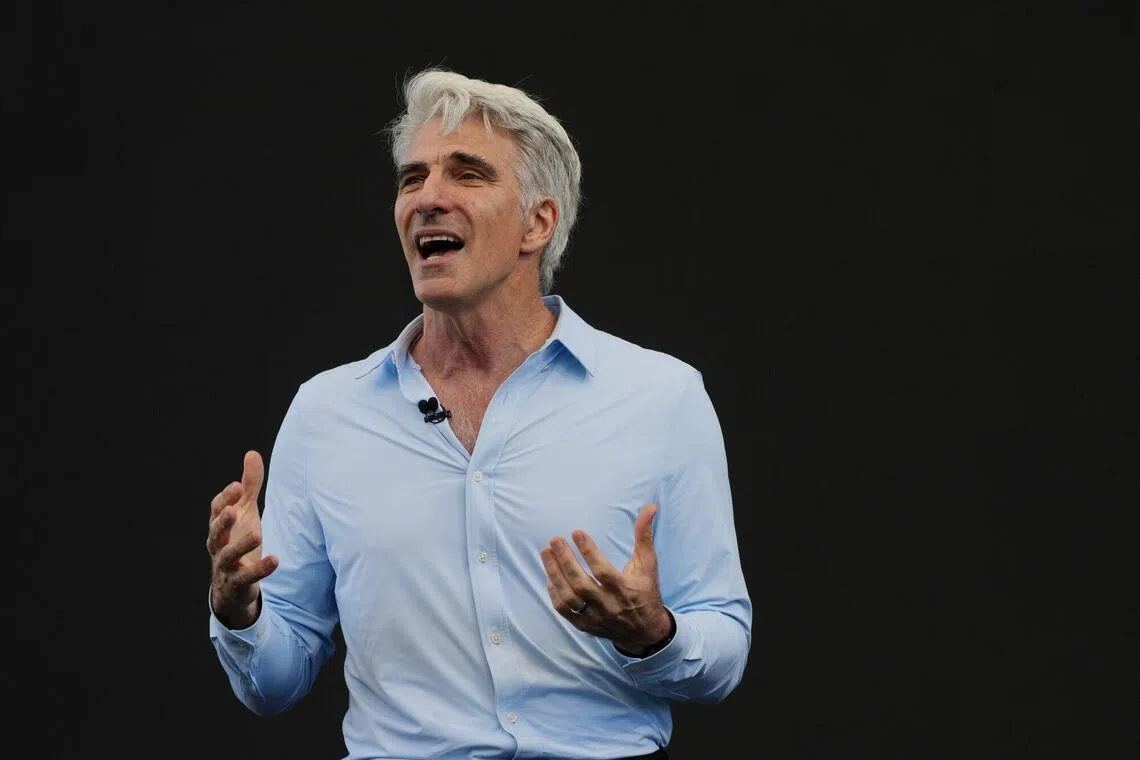
Executives at Apple offer no explanation for how that works, betting that the company’s loyal customers will trust their data is safe behind the scenes. It may just pull off that balancing act.
What’s harder to deny is the leverage Google has built up over Apple. Once the latter’s AI is built around Alphabet’s technology, swopping it for a competitor would be expensive and disruptive. Google could squeeze it for better terms on its search deal down the line.
Apple may yet catch up in AI. But with a handful of businesses building the scarce and expensive core technology, power increasingly lies with Google. BLOOMBERG
Decoding Asia newsletter: your guide to navigating Asia in a new global order. Sign up here to get Decoding Asia newsletter. Delivered to your inbox. Free.
Share with us your feedback on BT's products and services
TRENDING NOW

Britain’s mansion tax shows the difficulty of targeting wealth

Once staunchly pro-China, Malaysian Chinese businesses are now distancing themselves from Beijing

The only common thing in S-E Asia is that we all eat rice: Cisco’s Asean president

Singapore data centre operator DayOne opts for US IPO at likely US$20 billion valuation

