

Asia needs new energy security architecture
How the region’s energy crisis response can move from national reactions towards a truly coordinated system
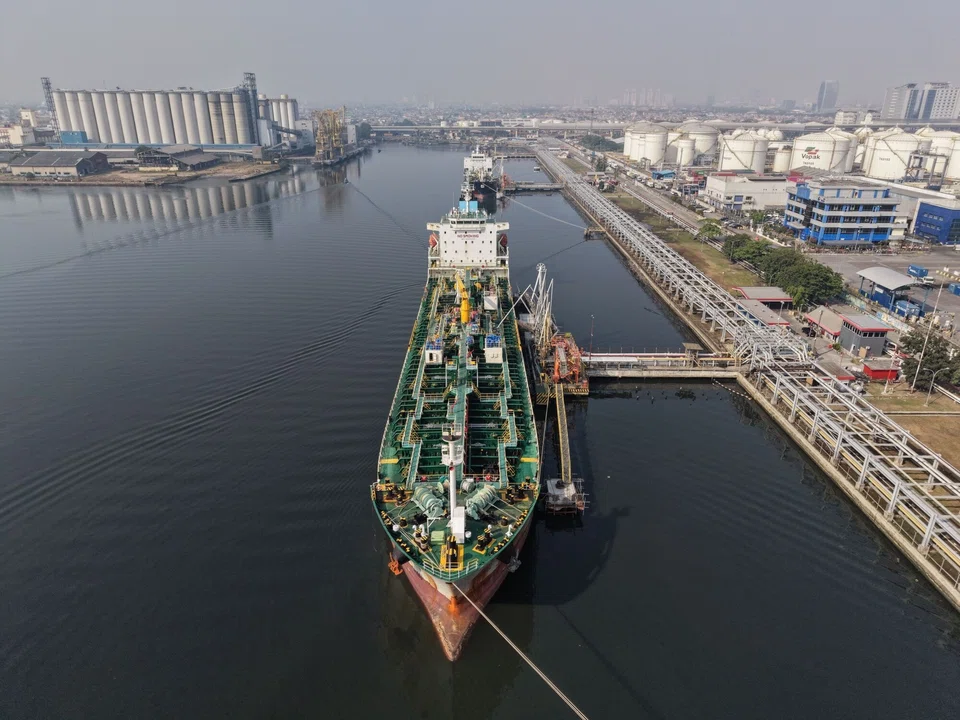
MORE than halfway through 2026, and the West Asia crisis continues to expose fault lines in the global energy system. The International Energy Agency’s (IEA) August Oil Market Report underscores that the shock is far from over.
Asia has been hit far harder than other regions. Japan’s dependence on West Asian crude oil before the conflict was 94 per cent. For the Philippines, Vietnam, Thailand, and South Korea, the figures were 97, 87, 74, and 69 per cent respectively.
India imports about 60 per cent of its liquefied petroleum gas consumption, with 90 per cent of that coming through the Strait of Hormuz.
TRENDING NOW

Once staunchly pro-China, Malaysian Chinese businesses are now distancing themselves from Beijing

Looking beyond looming CEO succession, should UOB potentially pursue a transformative merger?

Could stablecoins be the future of money?

Grab CEO’s wife Chloe Tong on life with Anthony Tan and finding her purpose

