Can South-east Asia’s energy transition survive a transactional world?
Asean energy ministers meeting should look beyond Iran war and confront a much bigger geopolitical challenge
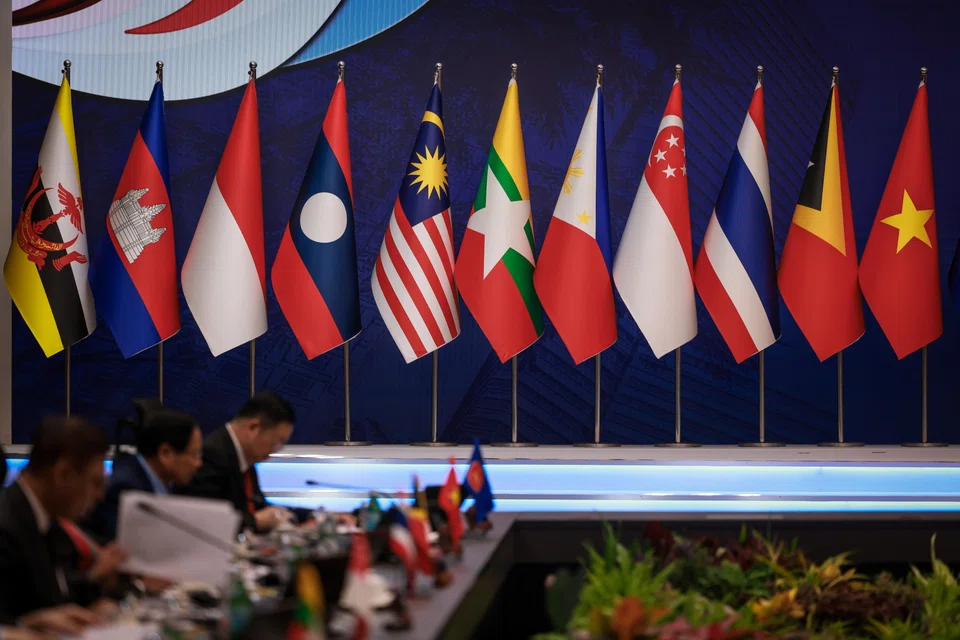
AT THE 44th Asean Ministers on Energy Meeting (Amem) happening in Manila from Monday (Oct 5) to Friday, one immediate issue likely to loom large is the impact of the Iran crisis on South-east Asia’s energy security.
The Iran war has pushed energy security higher up Asean’s agenda, prompting calls for coordinated responses, faster regional energy trade and renewed attention to the Asean Petroleum Security Agreement (Apsa).
The region’s dependence on Middle Eastern energy has driven sharp increases in petrol, diesel, aviation fuel and electricity prices. Across Asean, reliance on coal has increased, alongside fossil fuel subsidies.
The consequences also extend far beyond the energy sector, from transport-worker protests in the Philippines to disruptions to rice production in Vietnam, and factory closures and job losses in Thailand.
Yet the Iran crisis is only a symptom of a bigger threat to South-east Asia’s energy transition: the rise of transactional diplomacy, a foreign-policy style that prizes short-term wins over long-term strategy.
The Iran war and the US’ removal of Venezuela’s president – both with implications for global energy markets – reflect this logic. In a transactional world, the objective is less cooperation than immediate strategic advantage.
Transactional diplomacy is not merely a Trumpian aberration, but a wider systemic shift. From China’s economic statecraft in Asia and Africa to India’s energy trade with Russia and Turkey’s cooperation with the EU on refugee traffic, it has become a defining feature of today’s international system.
For South-east Asia, transactional diplomacy poses a direct threat to energy and climate security because it weakens the trust, predictability and multi-stakeholder cooperation on which the region’s transition depends.
These risks are already visible. US-China competition is reshaping critical-mineral supply chains.
Indonesia’s nickel sector is heavily dependent on Chinese investment, while the US is building alternatives through the Forum on Resource Geostrategic Engagement and bilateral minerals agreements.
Similar dynamics are emerging around the Asean Power Grid (APG), where Chinese firms and utilities are increasingly involved in interconnection and high-voltage direct current development, while alternative investment partnerships remain limited.
The danger is not only higher costs or delays, but also a transition shaped by external pressures rather than regional needs.
Towards greater Asean agency on energy
The 44th Amem should therefore look beyond the immediate fallout of the Iran war and confront the deeper challenge of building greater Asean agency over an energy transition increasingly vulnerable to external pressures.
This requires transforming energy regionalism from a diplomatic practice into a source of material power.
By pooling markets, infrastructure and bargaining power, greater regional integration can reduce the asymmetries that transactional diplomacy exploits, without surrendering national sovereignty.
Three concrete priorities deserve political attention and resources.
First, make Apsa a more operational petroleum crisis-response mechanism.
The agreement facilitates regional trade in crude oil and petroleum products under specific circumstances, such as when the receiving country experiences an energy shortfall equivalent to at least 10 per cent of its domestic demand.
However, the implementation of Apsa has been limited by its voluntary and non-binding nature. The Iran war has shown that Asean needs clearer arrangements for responding collectively when external supply shocks affect several member states at once.
Asean should develop pre-agreed Apsa procedures for emergency notification and data sharing, assessing regional supply shortfalls, and reallocating or rerouting petroleum supplies to countries facing the most severe disruptions.
Agreeing on these procedures before the next crisis would make Asean’s response faster and more predictable, while reducing reliance on ad hoc bilateral deals.
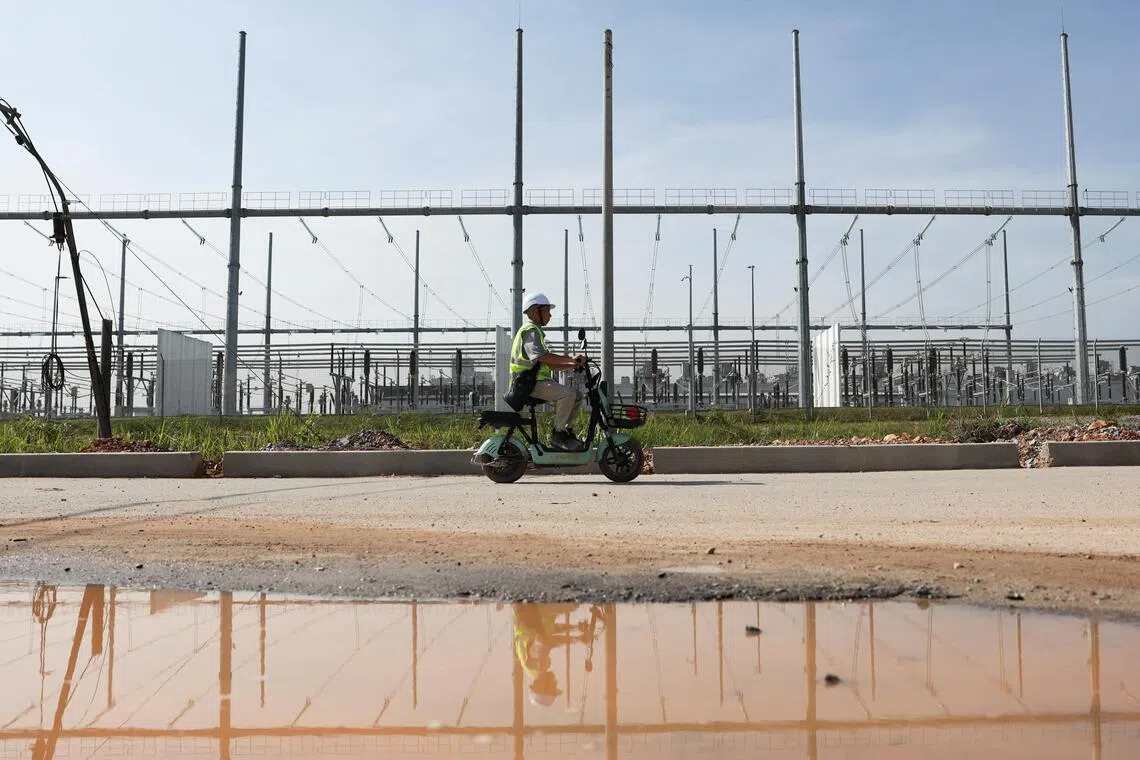
Second, accelerate APG as an instrument of strategic resilience, not only decarbonisation.
A more integrated electricity market would let countries draw on a wider range of energy resources during external shocks and reduce dependence on imported fossil fuels.
The APG has gained momentum through the Lao PDR-Thailand-Malaysia-Singapore Power Integration Project and new subsea interconnections, but multilateral electricity trade remains constrained by fragmented regulation, differing market structures and the absence of common rules.
Asean should use the Enhanced APG Memorandum of Understanding to establish regional methodologies for wheeling charges, common rules for multilateral and emergency electricity trade, data-sharing and reliability standards, and dispute resolution.
It should also coordinate responses to cross-border grid disruptions and strengthen critical grid equipment and supply chains.
This does not require transferring authority over national energy resources to a supranational body. Asean should instead develop institutions capable of governing cross-border electricity trade while leaving ultimate authority with member states.
Third, build greater collective agency in critical-mineral partnerships.
The Amem should work more closely with Asean’s existing minerals mechanisms to ensure that energy-transition priorities are reflected in regional critical-mineral cooperation.
South-east Asia has substantial mineral reserves and downstream ambitions but remains vulnerable to major-power competition and dependence on external investment, technology and markets.
Regulatory uncertainties, the adverse socioeconomic and environmental impacts of mining and processing, and competition among South-east Asian countries for investment impede the development of regional critical-mineral supply chains.
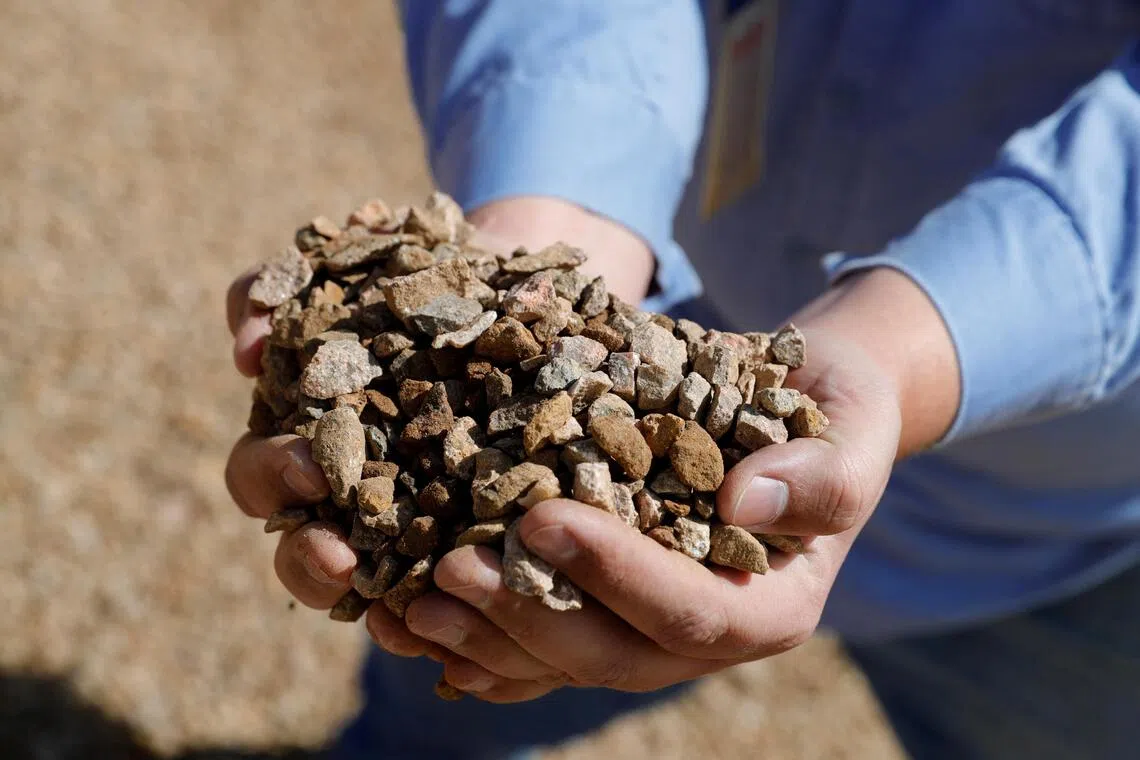
Existing frameworks, including the Asean Minerals Development Vision 2045 and Minerals Cooperation Action Plan 2026-2030, should be used to develop common priorities for external partners, including downstream processing, technology transfer, environmental and social standards, and diversified investment and markets.
Asean+3 could help coordinate critical-mineral cooperation with China, Japan and South Korea.
A collective approach would not require members to abandon bilateral partnerships but could increase bargaining power and ensure external investment supports regional priorities rather than reinforcing dependencies.
The objective is not energy autarky or choosing sides but ensuring that no single actor can easily use capital, technology or supply chains as leverage.
Taken together, these priorities amount to a simple strategy for a transactional world: deeper integration to reduce vulnerability, stronger resilience to absorb shocks, and greater collective agency with external powers.
The most important lesson of the Iran war may therefore have little to do with Iran itself.
South-east Asia is pursuing one of the most complex energy transformations in its history at a time of growing geopolitical fragmentation and uncertainty.
Asean cannot control these external pressures, but Amem can help determine how resilient its energy transition will be in an increasingly transactional world.
The writer is a senior research fellow at the Climate and Sustainability Programme at ODI Global, Singapore, and an associate fellow at the Iseas-Yusof Ishak Institute