

Building a more connected and sustainable South-east Asia
The region’s next chapter of growth will depend increasingly on energy connectivity
AS ECONOMIES expand and electricity demand rises, access to secure, affordable and sustainable energy will become a defining factor in the region’s long-term competitiveness.
Over the coming decades, our region’s energy demand is expected to grow rapidly, driven by expanding economies, rising living standards and a growing population.
The Asean Centre for Energy estimates that energy demand in the region could more than double by 2050, while the International Energy Agency projects that South-east Asia’s demand will exceed that of the European Union.
Meeting this demand presents one of the defining challenges of our time.
Every country must balance three priorities: ensuring reliable and secure energy supplies, keeping energy affordable, and reducing carbon emissions to support climate goals. No country can achieve this alone; the answer lies in working more closely together.
Working towards collective gains
For decades, South-east Asia has strengthened its competitiveness as a region through greater trade, investment and physical connectivity.
'%3e%3cpath%20d='M12.1475%2025.5262C13.7713%2025.4295%2014.94%2023.913%2014.94%2021.8832C14.94%2019.5359%2013.474%2018.093%2011.5917%2018.093C11.3745%2018.093%2010.9582%2018.093%2010.8393%2018.1413V25.2086L11.8891%2025.5745C11.8891%2025.5745%2012.207%2025.5262%2012.1475%2025.5262ZM11.4934%2017.6281C13.2567%2017.6281%2014.3843%2016.4292%2014.3843%2014.4501C14.3843%2012.372%2013.275%2011.2973%2011.4339%2011.2973H10.8393V17.6305H11.4934V17.6281ZM6.66078%2025.6482L7.39265%2025.5492C8.02617%2025.4502%208.26403%2025.3053%208.26403%2025.1097V11.6149C8.26403%2011.4193%208.1451%2011.3709%207.23484%2011.249L6.68137%2011.173L6.6219%2010.7588H11.9508C15.7153%2010.7588%2017.0624%2012.0797%2017.0624%2014.1578C17.0624%2015.9666%2015.7748%2017.1909%2013.4969%2017.6305V17.7041C16.111%2017.948%2017.6571%2019.5382%2017.6571%2021.7636C17.6571%2024.3318%2015.8937%2026.0417%2012.1109%2026.0417H6.60132L6.66078%2025.6482Z'%20fill='%232B2B2B'/%3e%3cpath%20d='M20.6287%2025.6505L21.5596%2025.5515C22.1725%2025.4779%2022.4104%2025.3076%2022.4104%2025.112V11.249H21.9346C20.073%2011.3479%2018.982%2013.0095%2018.408%2014.6227L18.1907%2015.5018H17.6555L18.1701%2010.7588H29.3837L29.6421%2015.4787H29.1664L28.9491%2014.6227C28.3728%2012.8645%2027.3047%2011.2743%2025.5002%2011.249H24.9856V25.1856C24.9856%2025.3812%2025.1251%2025.4548%2025.9965%2025.5515L26.7695%2025.6505L26.829%2026.0417H20.5693L20.6287%2025.6505Z'%20fill='%232B2B2B'/%3e%3c/g%3e%3cdefs%3e%3cclipPath%20id='clip0_5242_21648'%3e%3crect%20width='24'%20height='16.8'%20fill='white'%20transform='translate(6%2010)'/%3e%3c/clipPath%3e%3c/defs%3e%3c/svg%3e)
Energy connectivity is the next frontier. A more connected regional energy system will strengthen our collective energy security, unlock new economic opportunities and accelerate the transition to a lower-carbon future.
The Asean Power Grid (APG) embodies this vision. By connecting national power systems across borders, the APG will enable areas with abundant renewable energy resources to supply clean electricity to areas with demand.
In doing so, it will provide the foundations for a more resilient and diversified regional energy market in future, reducing Asean’s exposure to global energy price volatility while improving energy security for all.
SEE ALSO








The benefits extend well beyond the energy sector.
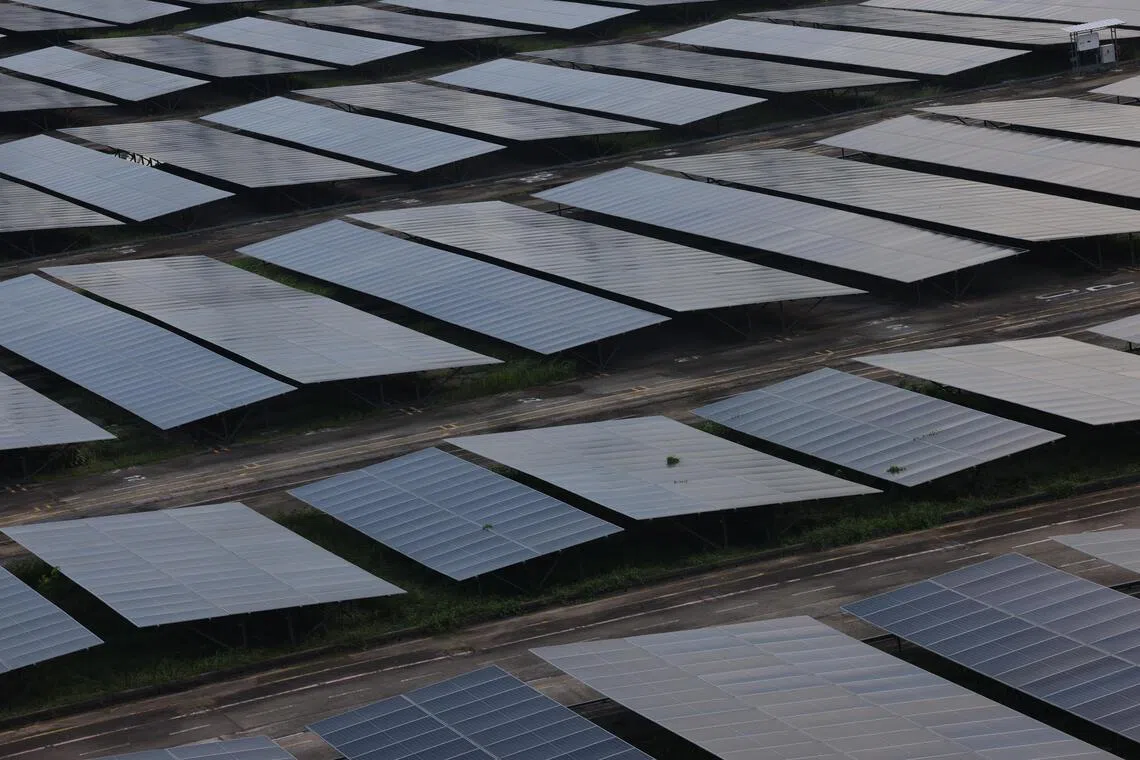
Cross-border electricity trade can unlock significant investments in renewable energy projects by providing developers with long-term demand and greater confidence to invest. For example, planned electricity export projects from Indonesia to Singapore are expected to attract up to US$20 billion in investments into Indonesia.
As countries strengthen their domestic grid infrastructure to support these projects, local businesses will benefit from the growth opportunities. Workers can build new careers and access well-paying jobs in the renewable energy space.
Regional interconnectivity is therefore not a zero-sum game; it creates shared value across the region. Importantly, this vision is already becoming reality.
The Lao PDR-Thailand-Malaysia-Singapore Power Integration Project demonstrated that multilateral cross-border electricity trade is both technically and commercially feasible. Its success has paved the way for further multilateral power trading initiatives for the region.
These pathfinding efforts show that regional power integration is no longer a distant aspiration, but an achievable goal.
Singapore is committed to playing our part. We are supporting low-carbon electricity import projects from across the region. Beyond diversifying Singapore’s energy supply, these projects help catalyse broader regional collaboration and provide valuable technical and operational experience that will support the development of the APG.
Realising this vision will require more than infrastructure alone. It will also require trusted partnerships, supportive regulatory frameworks and sustained investment.
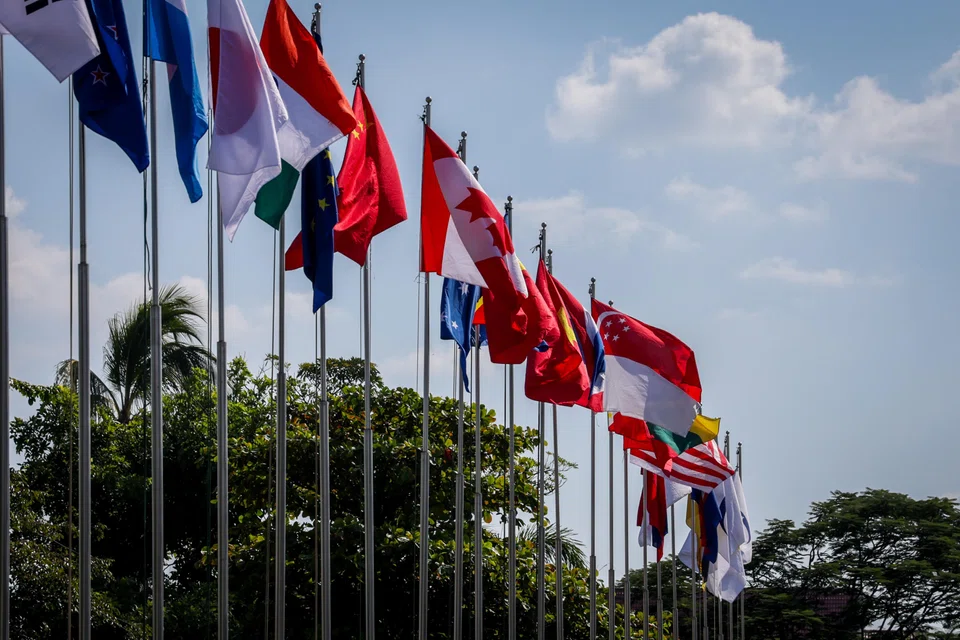
This is why collaboration beyond Asean remains important. Our partners include Australia, China, the EU, Japan, South Korea and the US, as well as the International Atomic Energy Agency, International Energy Agency and International Renewable Energy Agency.
Together, they bring valuable expertise, technology and financing that can accelerate regional energy integration and the deployment of clean energy solutions.
One example is the Singapore-US feasibility study on regional energy connectivity.
The first phase of the study demonstrated the technical feasibility and economic benefits of greater regional power integration. The next phase will focus on the legal, regulatory and financing frameworks needed to turn that vision into reality.
Looking at the bigger picture
The APG is therefore more than an energy project. It is an investment in South-east Asia’s long-term resilience and competitiveness, laying the foundation for a more connected and sustainable regional energy system.
Regional cooperation, however, extends beyond building physical infrastructure. It is equally about strengthening institutions, developing capabilities and sharing expertise that will prepare South-east Asia for the energy challenges of the future.
For instance, as more countries in the region explore nuclear energy, collaboration on research, capability building, safety and regulatory frameworks will become increasingly important.
Through partnerships such as the Singapore-US civil nuclear cooperation, Singapore is building the technical expertise needed to better understand advanced nuclear technologies and contribute to these regional efforts.
Platforms such as the upcoming Singapore International Energy Week 2026 are also important in sustaining this spirit of collaboration. They bring together governments, industry and international partners to exchange perspectives and deepen cooperation on the region’s energy future.
The choices we make today will shape South-east Asia’s future for decades to come. A region with secure, affordable and sustainable energy will be better positioned to attract investment, strengthen supply chains and support continued economic growth.
By strengthening regional partnerships, we can build a future where economic growth and sustainability reinforce one another. Working together, South-east Asia can demonstrate that regional cooperation is not only the key to our energy transition, but also to a more prosperous and connected future for generations to come.
The writer is assistant CEO for energy policy, Energy Market Authority
Decoding Asia newsletter: your guide to navigating Asia in a new global order. Sign up here to get Decoding Asia newsletter. Delivered to your inbox. Free.
Share with us your feedback on BT's products and services
TRENDING NOW

Once staunchly pro-China, Malaysian Chinese businesses are now distancing themselves from Beijing

Looking beyond looming CEO succession, should UOB potentially pursue a transformative merger?

Could stablecoins be the future of money?

Grab CEO’s wife Chloe Tong on life with Anthony Tan and finding her purpose

