Why the US and Ukraine are pulling apart – and what comes next
A collapse in their strategic relationship would hand a victory to Russia
IN THE span of a single week, the alliance between Washington and Kyiv went from strained to openly fractured.
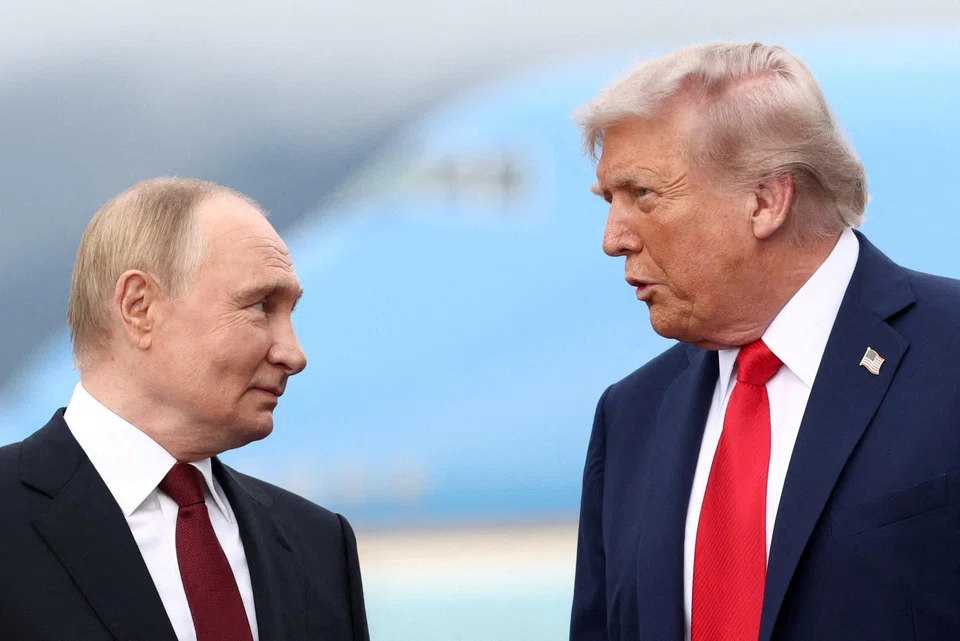
On Oct 9, as US, Ukrainian and European negotiators met in Miami, President Donald Trump spoke with his Russian counterpart Vladimir Putin and announced a deal to buy Russian diesel, with a temporary sanctions relief attached. The next day he said Ukraine needed “a new leader who can make a deal”.
By Oct 14, Volodymyr Zelensky was telling Piers Morgan he felt betrayed, and that it was a pity Ukraine was losing a strong partner. A day later Trump told the American cable network Newsmax he found Zelensky harder to deal with than Putin.
It is tempting to read this as another clash of personalities, a sequel to the Oval Office shouting match of February 2025. It is more than that. Each government is acting on a coherent logic of its own, and those logics now point in opposite directions.
The US’ price at the pump
The US administration’s case starts at home. Its war with Iran has pushed US diesel prices to record highs, and midterm elections are just weeks away. Russian diesel offers quick relief, and Ukrainian drone strikes on Russian refineries increase price pressures.
From that vantage point, Trump’s framing is consistent with his priorities. He calls the refinery strikes a “world problem” and says they are raising global oil prices.
He sees himself as a mediator who must keep both Moscow and Kyiv at the table, and he views Zelensky’s resistance as the obstacle to a settlement he wants before the vote.
The White House also has a fair point about scarcity of ammunition. Trump says the US is buying Patriot missiles at record levels to rebuild its own stockpiles and will let allies buy more once reserves recover. No president can give away interceptors indefinitely while fighting a war of his own.
Ukraine’s only lever
Ukraine sees the refinery strikes as one of its few ways to raise the cost of the war for Moscow. The conflict’s fifth wartime winter is approaching; Russian missiles are hitting Kyiv night after night; and the front has barely moved.
The “energy ceasefire” Trump announced on Oct 11 deepened that sense of grievance. Ukraine paused its refinery strikes for several days; Russia kept bombing Ukrainian power plants.
To Kyiv, a truce that binds only one side is not a truce. On Oct 15, Zelensky declared Ukraine was “done” with it, and drones hit the Ryazan refinery soon after.
Zelensky also has a domestic audience. A leader who appears to bend under foreign pressure while his cities burn would pay a political price. Defiance is partly principle and partly survival.
The limits of Kyiv’s influence
What makes this rift dangerous is that Washington holds levers Kyiv cannot replace quickly.
During the Miami talks, envoys Steve Witkoff and Jared Kushner reportedly warned that intelligence sharing could stop if refinery strikes continued.
The reports also said the Prioritized Ukraine Requirements List mechanism, through which Europeans buy US weapons such as Patriot interceptors for Ukraine, could be suspended.
Then, overnight on Oct 13 and 14, speed limits were imposed on Ukraine’s military Starlink terminals, disrupting drone operations. Ukrainian officials called it no coincidence.
Elon Musk said the decision lay with US authorities. Washington denies cutting intelligence, and Kyiv says cooperation continues. Still, Zelensky said Ukraine received no partner warning before two nights of ballistic strikes on the capital.
The leverage cuts both ways, though. Pressing too hard risks a Ukrainian collapse that would hand Putin a victory that Trump would have to take responsibility for.
Congress is uneasy too: Republican Don Bacon argued for enforcing new sanctions rather than easing them. And for Kyiv, open defiance risks the very support it cannot yet do without.
What comes next
Three things will shape the next month. First, the midterms: once the vote passes, the domestic pressure behind the diesel deal would ease. Hence, observers expect little chance of a US-Ukraine bilateral thaw before early November.
Second, the technical-level trilateral talks Washington proposed for late October, which Kyiv has said it will join.
Third, Europe: Ukraine is now pursuing European alternatives to US air defences and Starlink, though its own officials concede Europe cannot yet carry the load alone.
Neither side is wrong to protect its interests. Washington is right that its resources are finite and its voters matter. Kyiv is right that a one-sided ceasefire rewards the aggressor.
The danger is that both leaders mistake a conflict of interests for a conflict of loyalties. If that happens, the only clear winner is in Moscow.