Evergrande’s liquidation prompts some PwC partners to shield assets, contemplate divorce
The amount that liquidators are seeking marks one of the largest corporate claims ever in Hong Kong
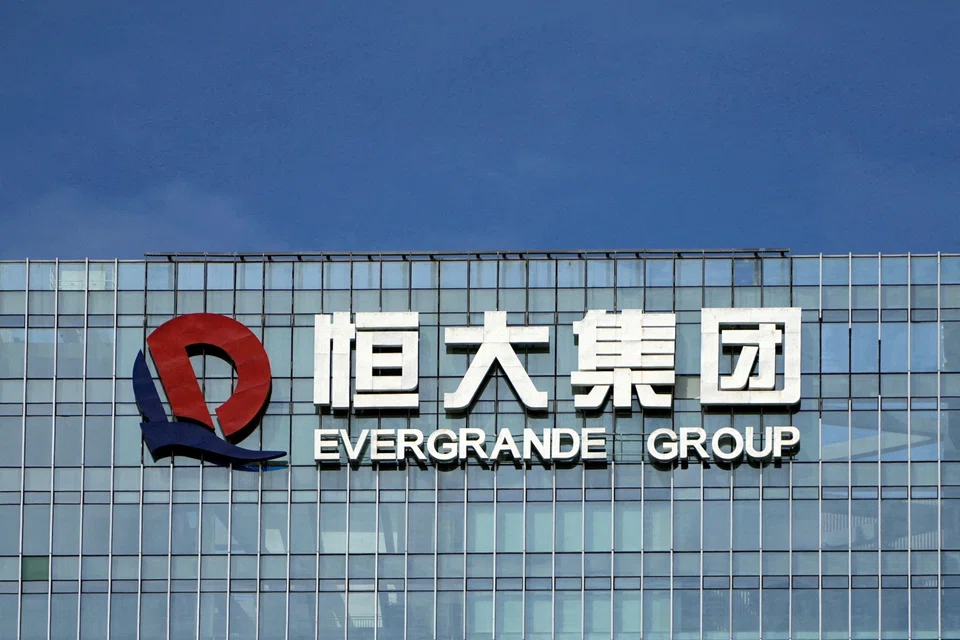
[HONG KONG] The liquidation of China Evergrande Group, the collapsed giant property developer, is raising concerns among some partners at its former auditor PricewaterhouseCoopers China about the potential impact on their own finances.
Several partners at PwC’s Hong Kong and mainland China affiliates say they are exploring strategies to safeguard personal assets, in case legal and regulatory challenges facing the firms ever spill over into any financial or legal burdens for themselves.
One says he has even contemplated divorce as a means to shield wealth, while another cutting education budgets for his children.
A couple of former senior leaders at the Hong Kong affiliate who departed in recent years say they are also considering steps to protect assets. Current and former partners at PwC who spoke for this story asked not to be identified.
Evergrande’s liquidators have claimed “negligence” and “misrepresentation” in the auditing work done by PwC’s mainland and Hong Kong affiliates for the failed firm. They are seeking 57 billion yuan (S$11 billion) in a lawsuit against PricewaterhouseCoopers International and the affiliates, lawyers said in court in May.
That comes after Hong Kong’s accounting watchdog said PwC audits had “particularly egregious” deficiencies that contributed to Evergrande inflating reported profits and liquidity.
The sum that liquidators are seeking marks one of the largest corporate claims ever in Hong Kong, and will be the highest-profile test in Greater China of the extent to which audit firms could be held liable when clients are accused of wrongdoing. It also underscores continued fallout from Evergrande’s default on US dollar bonds in 2021, a pivotal moment in a broader property crisis in China that’s led to record debt failures and an economic slowdown.
The partners say they were not directly involved in auditing Evergrande. Even so, some are worried that liquidators might eventually bring lawsuits against them. Another concern is the risk that they will be asked to help cover any legal damages through their equity in the firms. They also fear that the broader financial impact on the businesses could affect their compensation packages.
A spokesperson for PwC China declined to comment on ongoing litigation. “Our businesses continue to perform well and we remain focused on delivering high-quality outcomes for our clients, supporting our people, and investing in the future of the firm and our profession in China,” the spokesperson said. PwC International did not respond to requests for comment. Evergrande’s liquidators declined to comment.
SEE ALSO



For auditing firms in Hong Kong, it is common to register as unlimited partnerships as PwC’s local affiliate did, which means partners share in any liabilities as well as profits. Moreover, so-called equity audit partners own stakes in the business. These structures also leave them open to potential legal liability, which can carry on even if they leave the roles, according to a partnership ordinance in Hong Kong.
In the Evergrande case, the situation is particularly acute for equity audit partners listed on PwC Hong Kong’s roll between 2017 and 2020, the period targeted by the liquidators’ lawsuit.
The partners said their planning for the worst intensified after the May court hearing in Hong Kong, which revealed the size of the liquidators’ claim.
A partner who had previously felt that divorce would be too extreme said it became a more serious consideration after the claim emerged. Several partners said they are weighing options including shifting assets to family. Two said they are expediting plans to leave the firm. One decided to scale back school expenses for his children to ease any financial burn.
PwC has already decided to withhold proceeds from the 2022 sale of a business unit, after three years of distributions, which were due to be paid out to members of the partnership at the time, sources said. Instead, the funds will be kept for operations and investment of the firm, they said, confirming an earlier Financial Times report.
The partners who spoke with Bloomberg News are among several hundred at the firms, and it’s unclear how many overall are concerned about the impact of the Evergrande liquidation on their personal finances. While consolidated data across the affiliates are not available, there are some 171 audit partners at PwC’s mainland China arm, according to the website of the Chinese Institute of Certified Public Accountants as at Jun 1. PwC HK had about 120 partners at the end of June 2025, a report from the firm shows.
While there have been no known lawsuits from the Evergrande liquidators against any individual partners, two formerly of PwC HK were fined HK$5 million (S$821,240) each in April by the Accounting and Financial Reporting Council of Hong Kong after it found “serious audit deficiencies” relating to the developer. PwC has faced penalties from regulators in Beijing and Hong Kong over its audit work for Evergrande. In late April, PwC HK agreed to pay HK$1.3 billion in fines and compensation, which included HK$1 billion for eligible minority shareholders of Evergrande.
The SFC said the agreement resolves the matter “fully and finally”.
PwC noted the settlement with the SFC in a statement in April, without admitting liability or agreeing with the conclusions. “We acknowledge that the work on the Evergrande audits fell well below our high expectations and the expectations of our stakeholders,” it said. In that same press release, Hemione Hudson, chair and CEO of PwC China, said the “outcomes reached with the AFRC and SFC conclude regulatory matters related to the Evergrande audits from over five years ago with no impact for our existing clients”.
Separately, the mainland partnership PwC Zhong Tian was fined 441 million yuan and suspended from practice in China for six months in 2024 before resuming operations.
While it is rare in Hong Kong for liquidators to include individual partners in lawsuits, it has happened before.
In 2017, liquidators of China Medical Technologies brought a contempt of court summons against 91 partners of KPMG, including some former ones, after the accounting firm refused to comply with a Hong Kong court order to disclose audit working papers.
Although the case did not involve claims against the partners’ personal assets, the judge said in the ruling that any individual partner had an obligation to take steps to facilitate compliance. KPMG eventually agreed to disclose the documents, sources said. KPMG hasn’t made any public statements on the matter, and the company did not respond to requests for comment.
Long road
For the broader Evergrande liquidation, the road ahead could be long. Such cases involving action against auditing firms in Hong Kong have often taken years before any final resolution.
Even so, the partners weighing steps to protect their assets said now is the time to start making preparations.
Equity partners, who become co-owners of the firm when they put their money into it, have precedent to worry about the impact on salaries at a time when revenue is declining. In 2024, when the regulator in China penalised PwC over lapses in its auditing of Evergrande and some clients terminated business, some of the partners got only about 50 to 60 per cent of their targeted income, the partners said.
PwC’s mainland China revenue fell about 43 per cent over two years, reaching 4.09 billion yuan in 2025, according to reports on its website that did not specify the reasons for the declines.
Under Hong Kong industry practice, auditing firms are required to maintain professional liability insurance, which could cover at least part of the claims. But if final settlements exceed the insurance limit, any shortfalls would need to be borne by the audit firms themselves, with existing equity partners potentially being asked to pitch in.
So far, the partners have received no official internal guidance on whether they could be required to contribute financially, they said. BLOOMBERG
Decoding Asia newsletter: your guide to navigating Asia in a new global order. Sign up here to get Decoding Asia newsletter. Delivered to your inbox. Free.
Share with us your feedback on BT's products and services