Peter Kwee ruling puts family trusts under scrutiny
Lawyers say trust structures must reflect genuine ownership and intention

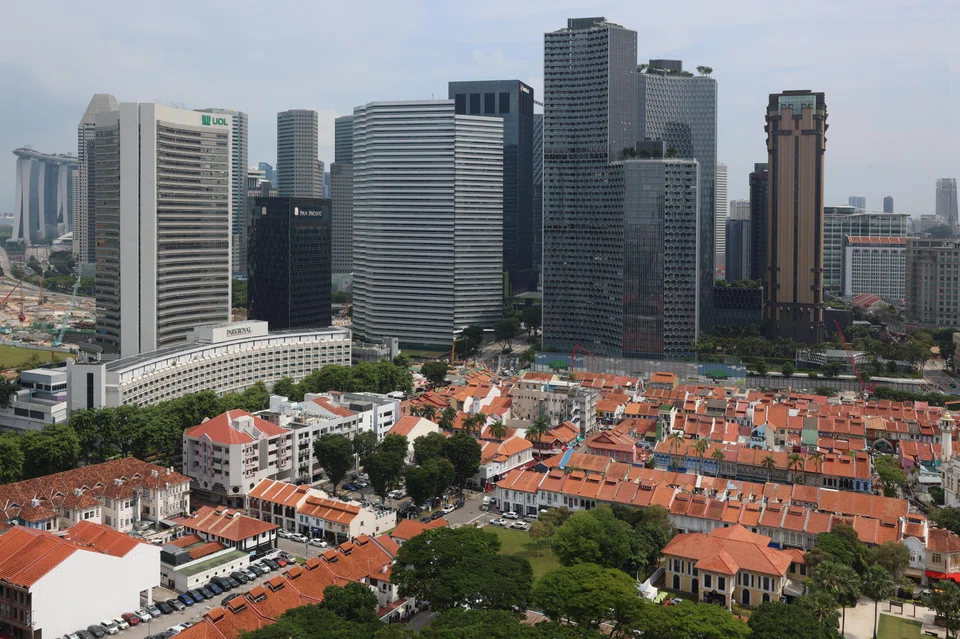
[SINGAPORE] A recent Singapore court ruling involving embattled tycoon Peter Kwee drew a clear line between legitimate family wealth planning and the use of trusts to conceal assets, and could prompt closer examination of some existing arrangements, said lawyers.
Purpose and intention came to the fore, outweighing issues of control and ownership in trusts holding property, in what lawyers called a landmark ruling. Whether a trust set-up is intended to harbour assets from creditors, or shelter them from taxes versus extracting particular tax benefits, could soon come under tighter scrutiny.
The Kwee dispute centred on five properties in Singapore, Canada and Australia that Peter Kwee acquired between 1995 and 2000, which were registered in his daughter Karen Kwee’s sole name.
Ownership of the assets came into question after two lenders served a statutory demand on Karen Kwee in May 2022. She was adjudged bankrupt in October that year. Karen Kwee and her former husband Daniel Ou had failed to make payments on a S$4.1 million loan they had taken from the lenders in February 2020.
Peter Kwee’s subsequent attempt to lay claim to the properties was denied by the High Court in March 2025, when it found that the properties had been gifts to his daughter.
The businessman, himself the subject of several legal tangles, then appealed that ruling which the Court of Appeal dismissed in November this year. The court said that the trust had been established to conceal his assets from creditors and was therefore “void and unenforceable”.
This was despite the Court of Appeal finding that Peter Kwee retained the full beneficial interest in them under a common intention constructive trust, overturning the earlier trial ruling that the properties belonged to Karen Kwee.
The elder Kwee had told the court that he had a “name placing agreement” with family members, under which properties were placed in their names while he retained beneficial ownership and continued to manage them.
Evidence presented showed that Peter Kwee selected the properties, negotiated mortgage loans and handled refinancing, while Karen Kwee generally signed documents at his instruction and made no significant financial contributions towards the purchases.
A clear line drawn
Foo Soon Yien, founder and senior director of BR Law Corporation, said the ruling’s significance lies in the distinction between establishing that a trust exists and determining whether it can be enforced.
“Mr Kwee succeeded on the first question, but failed on the second,” she noted, describing the decision as Singapore’s first definitive ruling by the Court of Appeal that a trust set up by a beneficiary to conceal assets from creditors is void and unenforceable as an established category of illegality under public policy.
Foo said the distinction was important because the judgment does not invalidate family trusts, nominee arrangements or trusts involving reserved powers simply because legal ownership and beneficial ownership are separated.
Thaddeus Oh, special counsel in dispute resolution at Withers KhattarWong, said significant control over trust assets could be relevant in determining beneficial ownership, “but it is not decisive by itself”.
“A trust can be real, rather than a sham, and still be unenforceable because of its unlawful purpose.”
Dentons Rodyk senior partner Edmund Leow pointed out that the fact that a trust has the effect of protecting assets from future creditor claims does not, by itself, make it unlawful. However, such arrangements remain subject to laws concerning transactions intended to prejudice creditors.
Trusts established for genuine wealth preservation, succession planning or family wealth management are generally permissible, he added.
“The line between legitimate asset protection and the improper use of trusts to conceal assets lies primarily in the purpose and intention underlying the trust arrangement.”
What are some implications?
Parents may continue to exercise significant control over assets beneficially owned by their children, particularly where the assets are valuable or complex and the children lack the experience to manage them independently, Leow noted.
The ruling also holds significance for trust structures involving properties held in children’s names for tax-planning purposes.
Such arrangements are not necessarily unlawful, but may attract closer scrutiny if they appear designed to “disguise a parent’s continuing beneficial ownership of the property or to secure tax benefits that would not otherwise be available”, Leow said.
In 2023, the government ratcheted up moves to cool the housing market, hiking additional buyer’s stamp duty (ABSD) on residential properties brought in trust to a hefty 65 per cent, from 35 per cent. The step-up came just a year after the 35 per cent ABSD rate was imposed on trust transfers, closing a gap often used by individuals purchasing property in the names of their children.
BR Law had previously told The Business Times in September that it saw trust-structured purchases by China nationals increasing after the authorities doubled ABSD for foreigners to 60 per cent in 2023.
While the property bought via a trust is subject to 65 per cent ABSD, part or all of the ABSD can be refunded if the property is held in trust for identifiable individual beneficiaries, depending on their profile. A Singapore (or US) citizen, for example, gets a full refund on the ABSD paid when the purchase is for the first home under their name.
Since China tightened its grip on offshore wealth in July this year with a 20 per cent income tax on offshore trusts, BR Law has seen inquiries from Chinese buyers dwindling.
In the Peter Kwee case, the Court of Appeal also considered whether a trust set up for the purpose of evading estate duty was illegal and contrary to public policy in itself. It expressly left that question open, as its finding that the trust was established to conceal assets from creditors was sufficient to dismiss Peter Kwee’s appeal.
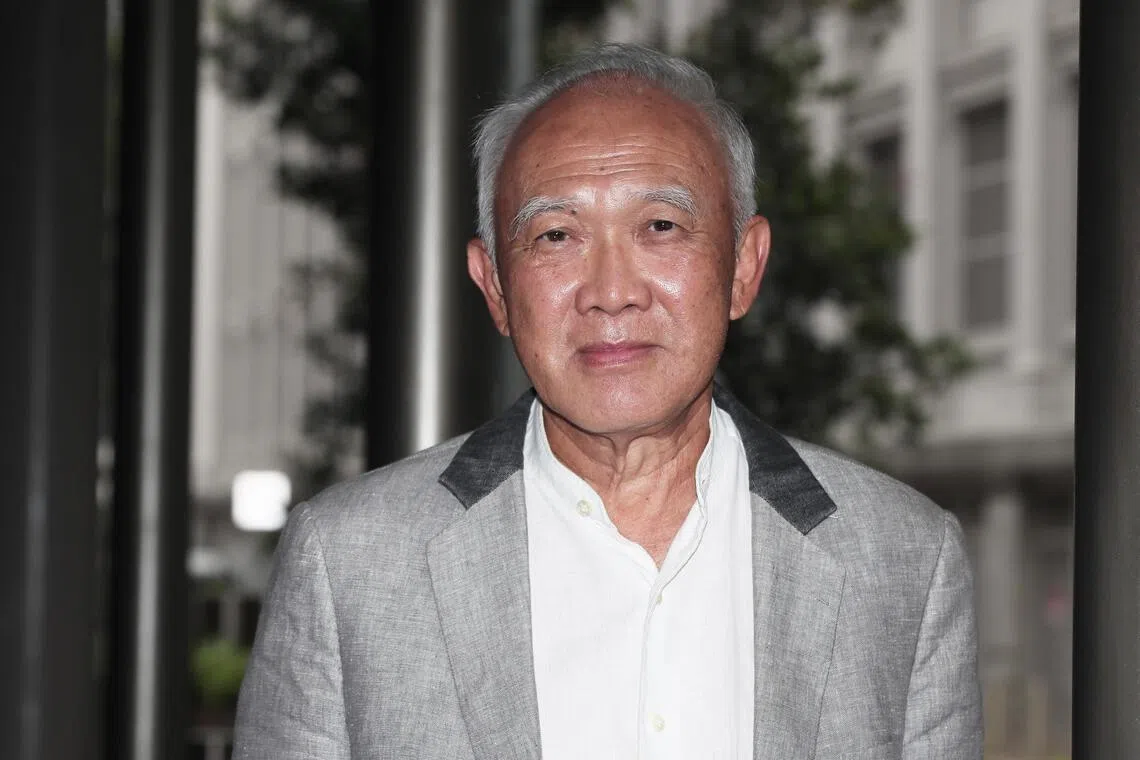
Trusts nevertheless remain useful for intergenerational wealth planning, said Gene Kwee, partner and head of tax at Forvis Mazars in Singapore. They can provide “continuity of ownership, establish how and when beneficiaries receive assets, and protect younger or vulnerable beneficiaries”, he pointed out.
For families considering such structures, tax should not be the primary driver, said Chan Xue Pei, partner at Forvis Mazars.
“A trust should be built around the family’s long-term needs, not around a tax saving. Tax efficiency should follow sound structuring, rather than drive it,” she noted.
Transferring assets into a trust does not automatically make them tax-free. Legitimate tax planning involves using reliefs or remissions permitted by law, while evasion involves dishonesty, such as deliberately hiding the real owner or misrepresenting what has happened to avoid tax that should be paid, Chan added.
“One coherent story”
Against this backdrop, Forvis Mazars’ Kwee advised families against unwinding genuine trusts simply because of the judgment. Instead, they should review the trust’s purpose, funding, beneficial ownership, control and supporting records.
Trust deeds, trustee minutes, bank records, funding evidence, property-management records and tax filings should “tell one coherent story”, he said.
Robson Lee, partner at Kennedys, similarly cautioned against treating the Court of Appeal’s ruling as an obstacle to bona fide trusts established for legacy and wealth planning.
“The judgment underscores the cardinal principle that any scheme or arrangement structured or devised with an illegal purpose will not be upheld or enforceable in a court of law,” he said.
The problem, Lee added, is with arrangements set up purely to “warehouse” a settlor’s assets and camouflage the settlor’s true beneficial interests.
The judgment could also have implications for how professional trustees and financial institutions assess trust arrangements. BR Law’s Foo said they may place greater emphasis on understanding who funded assets, who exercises control and whether an arrangement’s stated purpose is consistent with the parties’ conduct.
On Singapore’s reputation as a wealth management hub, Leow noted that the decision need not undermine confidence in the use of trusts. “Decisions such as Peter Kwee can be seen as reinforcing the integrity of the system rather than undermining it.”