COE review: Rebate-surcharge scheme with five bands backed by most respondents
Government not considering different rebate-fee levels for EVs, while taxis are still under review

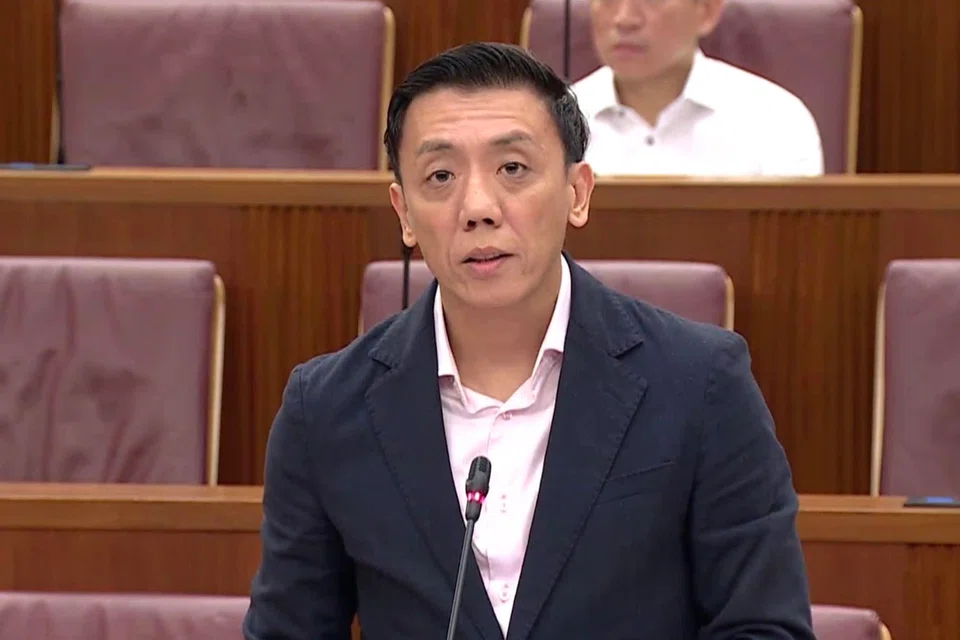
[SINGAPORE] Most respondents are in favour of the proposed rebate-surcharge scheme for the Certificate of Entitlement (COE) system, with the majority expressing support for a five-band system, said Minister for Transport Jeffrey Siow in Parliament on Tuesday (Nov 3).
Public consultation by the Land Transport Authority (LTA), which ran from Oct 8 to Nov 2, showed that the majority of respondents supported the scheme and most were in favour organising of cars into five bands, which would reduce cliff effects.
On Oct 8, LTA revealed proposed changes to the COE system, which includes combining mainstream and luxury car bidding categories while adding a rebate-surcharge depending on the car’s open market value.
Cars would be banded according to their open market value, with mass-market cars receiving up to S$15,000 in rebates and luxury cars a surcharge of up to S$15,000. The aim of the update is to differentiate premiums for mass-market and higher-end cars.
Taxis still under review
Siow also responded to multiple queries from Members of Parliament on the COE review.
Jamus Lim, Workers’ Party MP for the Anchorvale division of the Sengkang GRC, asked how taxis and private-hire cars (PHCs) would be handled under the proposed rebate-surcharge framework.

Siow said that the treatment for taxis was still undergoing review, while PHCs would not get a separate COE category.
“PHCs, on the other hand, are private cars with the added flexibility to be used for private hire, so they are not totally like taxis, which cannot be for private use,” said Siow.
“We considered creating a separate COE category for PHCs, but doing so would restrict the supply of COEs for PHCs, and this would raise rentals for PHC drivers and drive up fares for commuters, which would be unfair to those who do not own a car or cannot drive,” he added.
SEE ALSO


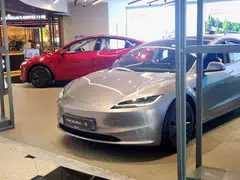
Responding to questions from Choo Pei Ling, MP for the Tengah ward of Chua Chu Kang GRC, Siow said there would not be a separate structure of COE rebates-surcharges for electric vehicles because it would “overcomplicate the system” and that the government would continue to support EV adoption through the Vehicular Emissions Scheme.
The scheme, which runs until the end of 2027, gives incentives of up to S$22,500 for cleaner cars and penalties of up to S$35,000 for more polluting cars.
MP of the Zhenghua division of Holland-Bukit Timah GRC Edward Chia suggested having the rebate-surcharge as a percentage rather than an absolute sum.
Siow said such a move would further reduce cliff effects, but buyers would not know the rebate or surcharge amount before the COE auction began.
Decoding Asia newsletter: your guide to navigating Asia in a new global order. Sign up here to get Decoding Asia newsletter. Delivered to your inbox. Free.
Copyright SPH Media. All rights reserved.