

Haze in Singapore: PSI hits 184 in central region, a new high for 2026
Highest hourly PM2.5 reading to date in 2026 was recorded in the west at 2 am on Oct 9, peaking at 171
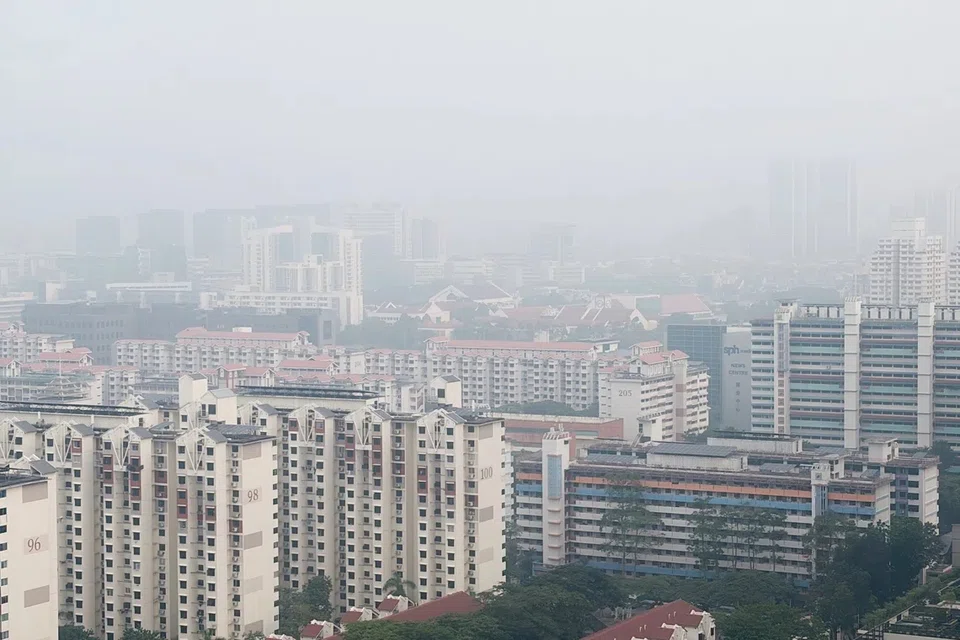
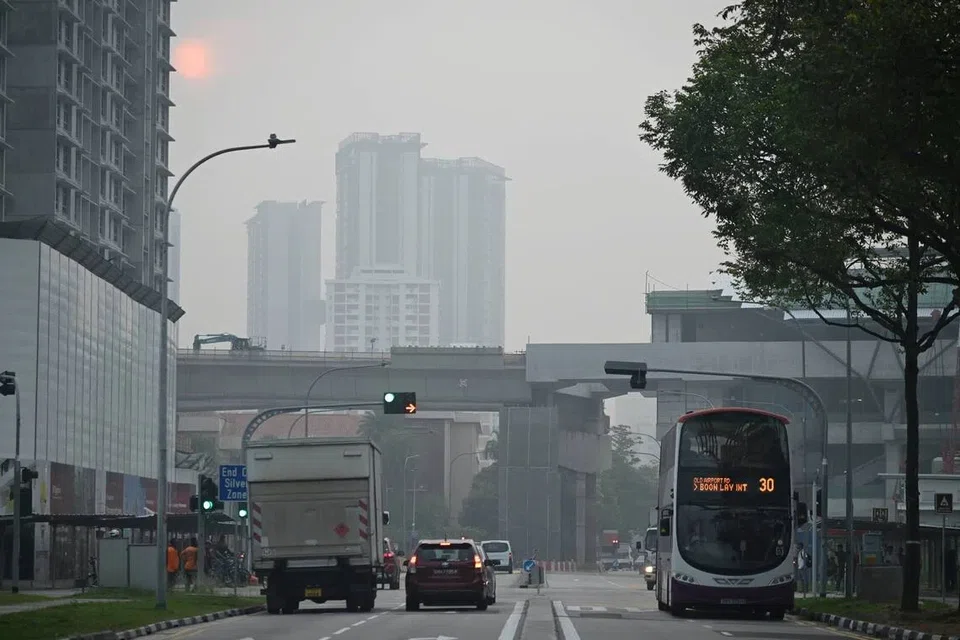
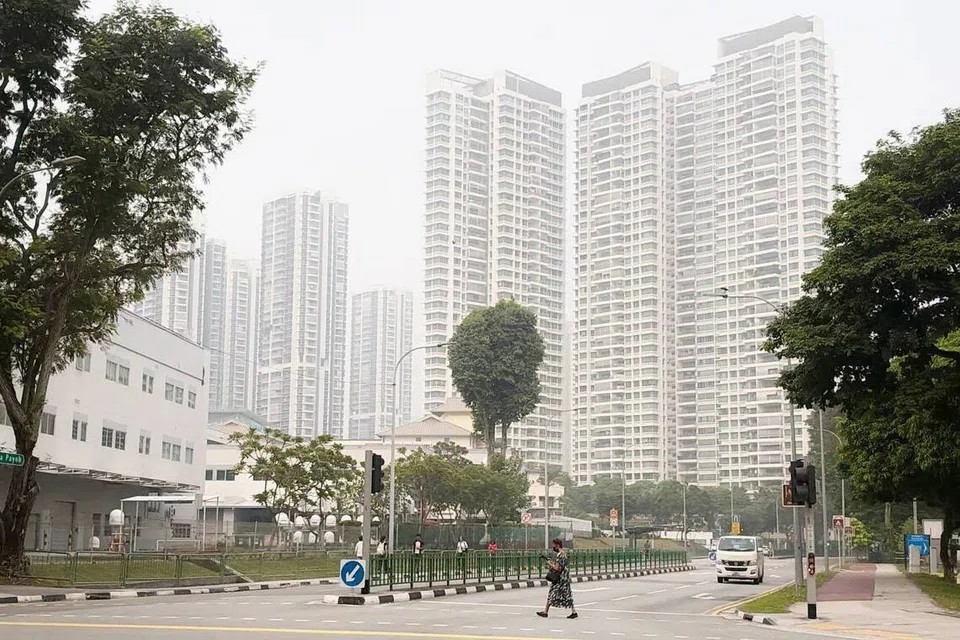
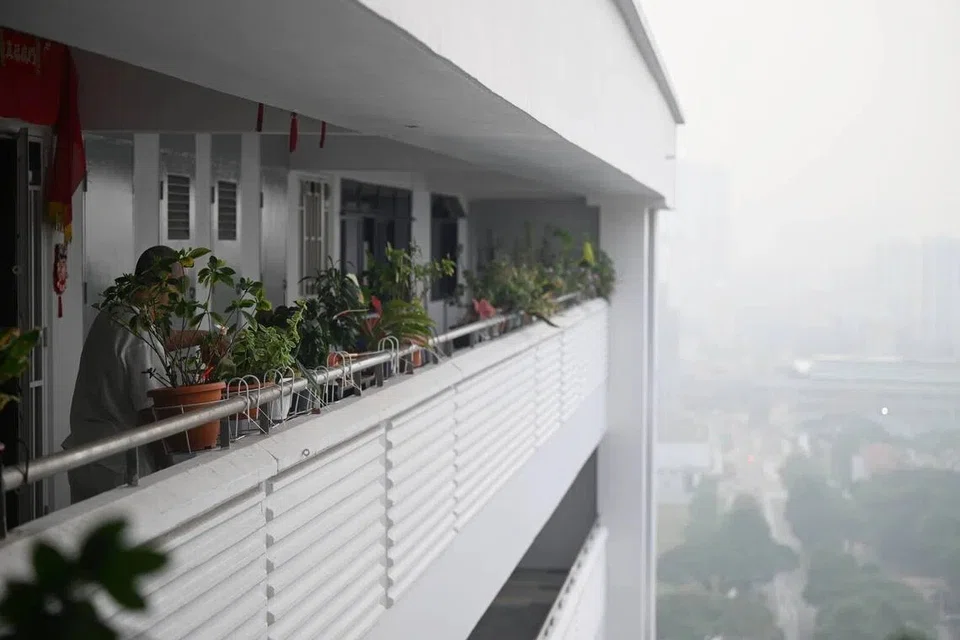
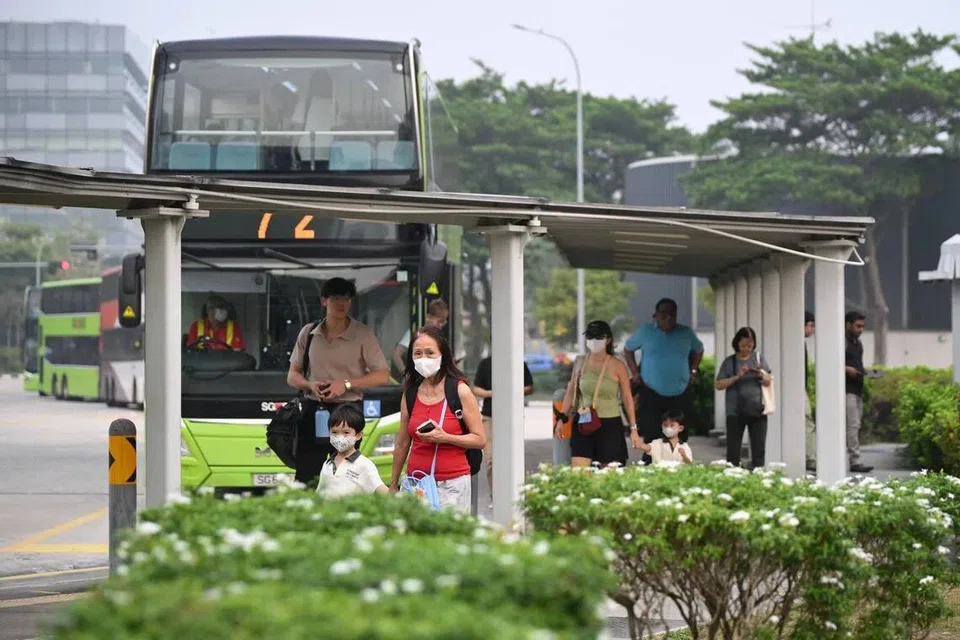
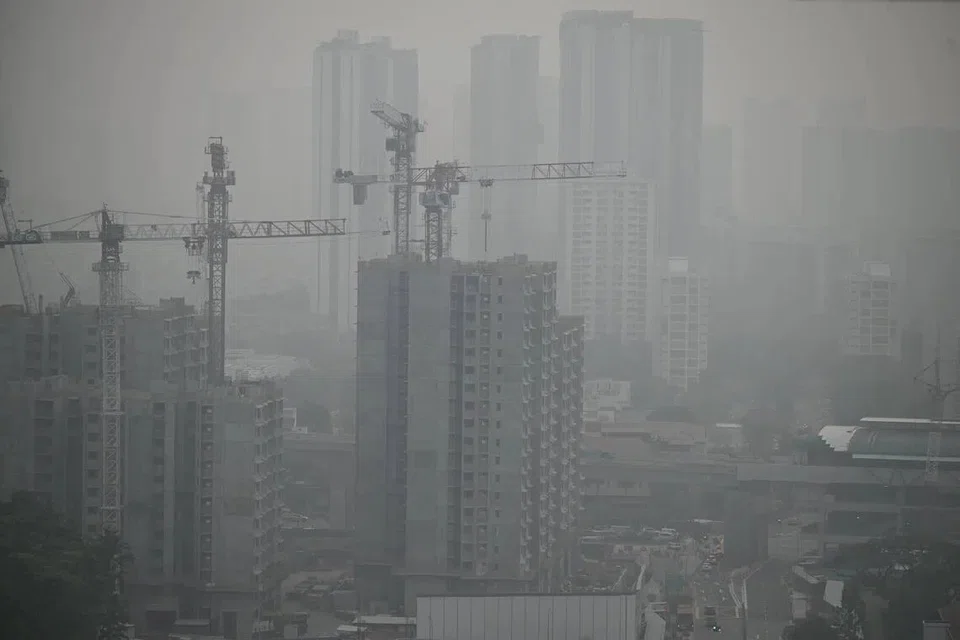
[SINGAPORE] The air quality in Singapore deteriorated on Friday (Oct 9), with the central region hit the hardest.
The 24-hour Pollutant Standards Index (PSI) level there rose to 184 at 1 pm, the highest so far for 2026, while the hourly PM2.5 reading stood in the “elevated” band at 137.
The central region’s PSI reading has been inching upwards since morning.
At 9 am, it logged a reading of 170, surpassing the previous high of 167 recorded in the same area on Sep 29.
By 1 pm, the PSI in the central region had hit 184.
Meanwhile, PSI readings in the other parts of the island stood at 127 in the north, 162 in the south, 157 in the east, and 174 in the west.
Air quality is considered unhealthy when the PSI – a 24-hour rolling average of six key air pollutants – is in the range of 101 to 200.
PSI readings across all five regions in Singapore have remained largely in the unhealthy range for most of Thursday and Friday, with some areas dipping into the moderate range between 6 pm on Thursday and 1 am on Friday.
Since 2 am, all regional readings have returned to the unhealthy range.

One-hour PM2.5 readings, measured in micrograms per cubic m, were also elevated in the other parts of Singapore at 1 pm – east (122), west (143), south (112) and north (114).
The hourly PM2.5 reading is used as a gauge for immediate air quality, with scores from 56 to 150 indicating elevated pollution levels, while values of 151 to 250 represent high pollution levels.
The highest hourly PM2.5 reading to date in 2026 was recorded in the west at 2 am on Friday, peaking at 171.
Reduce outdoor activities
When the 24-hour PSI readings are in the unhealthy range, those who are healthy should reduce prolonged or strenuous outdoor physical activities, according to the National Environment Agency’s (NEA) haze advisory.
Vulnerable people – including the elderly, pregnant women, children and those with chronic lung or heart disease – should minimise or avoid such activities entirely.
When PM2.5 readings are high – between 151 and 250 – people should avoid strenuous outdoor activities for the next hour. Vulnerable people should avoid all outdoor activities.
These are outlined in the personal guide published on NEA’s website.
In its daily advisory on the evening of Oct 8, NEA forecast that the 24-hour PSI readings would be in the high-moderate to mid-unhealthy range.
NEA said moderate to dense smoke plumes from southern and central Sumatra and West Kalimantan were observed to be drifting towards Singapore, with dry conditions expected to continue in the neighbouring Indonesian territories.
“Under the prevailing south-easterly or southerly winds, smoke haze may continue to drift towards Singapore,” it added. THE STRAITS TIMES
Decoding Asia newsletter: your guide to navigating Asia in a new global order. Sign up here to get Decoding Asia newsletter. Delivered to your inbox. Free.
Share with us your feedback on BT's products and services
TRENDING NOW
Prima to move out of historic Keppel Road flour mill building in 2028

Temasek-related Azalea, SeaTown, Seviora Capital to merge in 2027

Family offices see more tailored products, leverage ‘collective firepower’ for direct deal access

Singapore room rates soar, but hotels seeing mixed demand from F1 race and events

