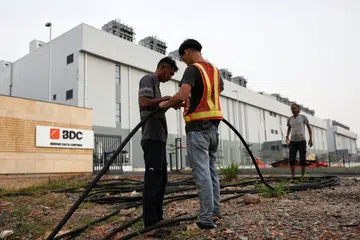
Iran war to hurt Singapore’s growth and drive inflation higher; forecasts to be revised: Gan
Beyond the energy and chemicals sector, higher costs will hurt wider manufacturing, transport and travel, as well as domestic services

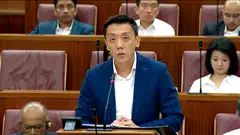
[SINGAPORE] The Iran war is likely to affect Singapore’s growth in the coming quarters, and drive full-year inflation higher than projected, Minister for Trade and Industry Gan Kim Yong said in Parliament on Tuesday (Apr 7).
Singapore’s gross domestic product growth forecast will be updated in May, said Gan, who is also deputy prime minister. This is after the forecast was upgraded in February, to a range of 2 to 4 per cent.
The Monetary Authority of Singapore will also take developments into account in its next assessment of the inflation outlook, to be released on Apr 14, said DPM Gan.
“The crisis is unlikely to be over anytime soon, and we must be prepared for its effect to persist for some time,” he said, in the first of three ministerial statements on the impact of the Middle East conflict on Singapore.
Senior Minister of State for Finance Jeffrey Siow shared more on the government’s support measures for households and businesses, with nearly S$1 billion in additional measures.
Coordinating Minister for National Security K Shanmugam then gave details of the coordinated national response, including steps to secure Singapore’s energy supplies.
Global pressures
Early data indicates that Singapore’s economy stayed resilient in the first quarter of 2026, said DPM Gan. “However, growth in the coming quarters is likely to be affected by the ongoing conflict.”
The closure of the Strait of Hormuz has caused a global shortage of energy supplies, and thus a surge in energy prices, he noted. “The disruption extends to other key products too, particularly those that use oil and natural gas as feedstock or starting material.”
These include fertilisers, which are mostly made using natural gas, he added. Fertiliser costs have soared, but if farmers cut back on their use, crop yields will fall and global food prices will rise.
SEE ALSO


Other affected industries include aluminium, used in cars, aeroplanes and other products; as well as helium, used to make semiconductor chips and cool magnetic resonance imaging machines.
“These disruptions are cascading through the global economy,” said the deputy prime minister. Higher fuel and raw material costs will raise business costs, with some costs being passed to consumers.
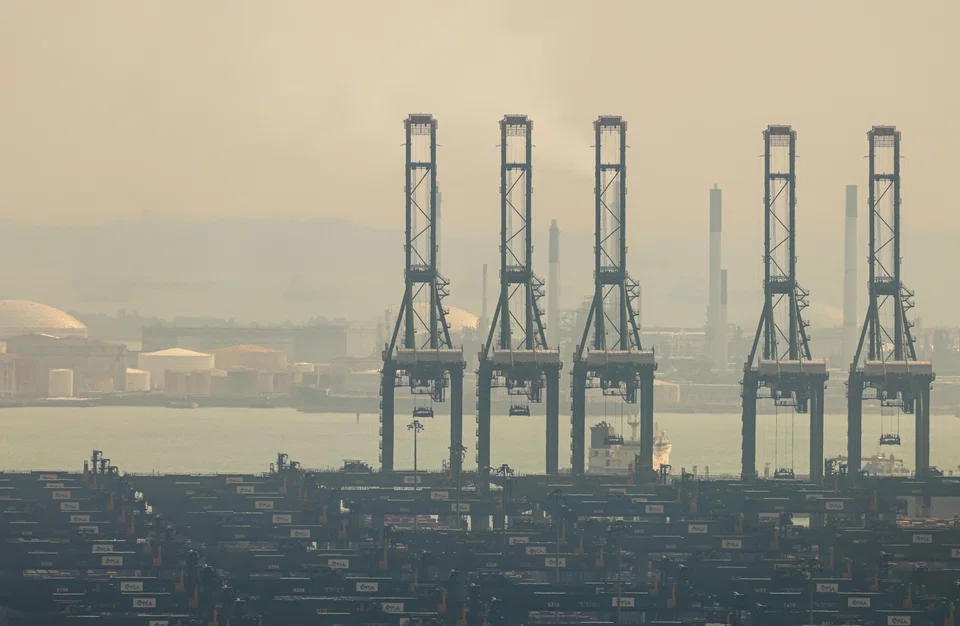
Higher energy prices have also increased transport and shipping costs, with airfreight rates between Asia and Europe almost doubling since the conflict began.
“This will eventually push up costs of other items including food and grocery supplies. Rising business costs and consumer prices will in turn dampen demand, and slow down the global economy,” said DPM Gan.
“All of these pressures could intensify further in the coming weeks.”
Sectoral impact
Some sectors in Singapore will be hit harder than others, he said, giving an overview.
In manufacturing, the most direct impact will be on industries that rely on natural gas, crude oil and crude oil derivatives as feedstock. Downstream chemical firms will also be affected.
A wider range of manufacturing industries will be hurt by higher fuel and electricity prices. These include electronics, precision engineering and other energy-intensive clusters.
In services, outward-oriented sectors such as air and sea transport, as well as tourism, will be affected by higher costs and weaker demand.
Meanwhile, domestically oriented sectors such as retail, food services and private land transport will face higher operating costs, including utilities and fuel.
“Taken together, these sectoral impacts will weigh on economic activity in the coming quarters, although the extent remains uncertain as the conflict is still unfolding,” he said.
Inflationary pressures
As Singapore imports nearly all its energy, the spike in global oil and natural gas prices will inevitably raise fuel and electricity costs here, said DPM Gan.
Last month, the Energy Market Authority warned that electricity and town gas tariffs are likely to rise further and more sharply in coming quarters.
On Tuesday, DPM Gan repeated the warning, saying: “We should therefore expect a much sharper increase in the next tariff adjustment, which will fully reflect the higher cost of fuel.”
He added: “These cost increases will feed through to broader inflation in Singapore.”
Both headline and core inflation were earlier forecast to range from 1 to 2 per cent in 2026, after inflation broadly eased in 2025.
But the Middle East situation has driven up global energy and commodity prices, which will drive up global inflation. “Consequently, we now expect Singapore’s overall inflation for 2026 to be higher than earlier projected,” said the deputy prime minister.
“If the conflict is protracted, higher inflation in our source markets could also lead to further increases in import prices over time,” he added.
“These pressures will be felt by households in more expensive electricity, transport and daily necessities.”
Resilience and partnership
Not only will the effects of the crisis persist for some time, there is also the risk of escalation, which could trigger a global energy crunch that slows growth and boosts inflation worldwide, said DPM Gan.
While Singapore will strengthen its resilience by building up inventories and diversifying sources, the country will always remain dependent on imports, he noted.
“It is therefore critical that we continue to strengthen our partnerships with like-minded countries, and uphold an open and rules-based trading system.”
“As a trading nation, keeping faith with our partners and maintaining our credibility is crucial,” he added. “We must foster the free flow of energy and goods as far as possible.”
He noted that Singapore and Australia have reaffirmed their commitment to supporting the bilateral flow of essential goods, including petroleum oils and liquefied natural gas. Similarly, Singapore and New Zealand have reaffirmed their commitment to strengthen supply resilience and mitigate disruptions.
The Asean foreign ministers and economic ministers have also underscored the importance of maintaining stable, open and reliable energy supply chains, and minimising disruptions to the flow of essential supplies, including food.
As for households and businesses in Singapore, DPM Gan said: “We will do what is necessary to support them through this period.”
He added: “Periods of disruption such as this will test the resilience of countries and economies, but they also create impetus for firms to transform, diversify and deepen their capabilities.”
Singapore must press on with the recommendations of the Economic Strategy Review to keep the economy resilient and competitive in a more challenging global environment, he said.
“If we stay disciplined, deepen our trust in each other, preserve our capabilities, and use this period to sharpen our competitive edge, Singapore will be well placed not only to weather this crisis, but (also) to emerge from it stronger.”
Decoding Asia newsletter: your guide to navigating Asia in a new global order. Sign up here to get Decoding Asia newsletter. Delivered to your inbox. Free.
Copyright SPH Media. All rights reserved.