Strong fundamentals support Singapore’s bond market despite US Treasury yield movements
The city-state’s borrowing costs are in line with historical levels, says MAS deputy chairman Chee Hong Tat

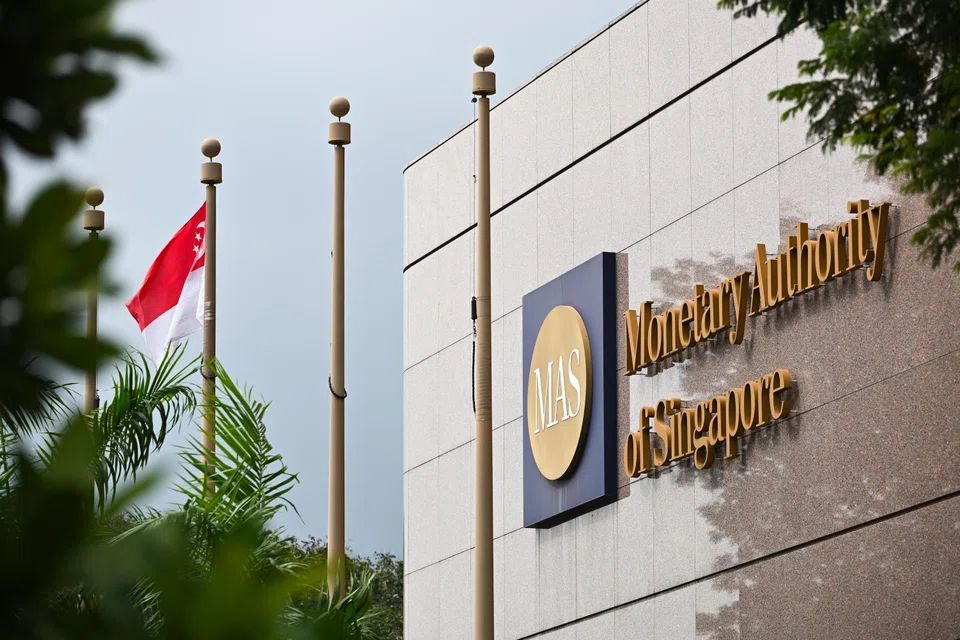
[SINGAPORE] If interest rates in the US were to rise, Singapore’s borrowing costs would be affected; but the city-state’s strong fiscal fundamentals will continue to support healthy demand for Singapore Government Securities (SGS), said Chee Hong Tat, deputy chairman of the Monetary Authority of Singapore (MAS), on Wednesday (Oct 7).
The government is “closely monitoring” developments in the US and other major markets because they will affect borrowing costs and interest rates in the city-state, he said in Parliament, responding to a query about how sustained increases in US Treasury yields will affect Singapore.
“But because of our strong fiscal position and the trust and confidence that investors have in Singapore’s market, in our bond market, I think overall we are all right.”
Beyond SGS, Singapore-dollar corporate bond issuances remain “very well-received” despite heightened volatility in global markets, he added.
The issuances have amounted to about S$28 billion in the year to date, and they are on track to surpass the issuance from 2025, he noted.
Chee, who is also minister for national development, said that Singapore’s interest rates have “not risen as much” compared with those in other jurisdictions.
Its borrowing costs have remained broadly in line with historical levels. The prevailing 10-year SGS yield stands at 2.5 per cent, compared with its 10-year average of around 2.2 per cent.
The discount of 10-year SGS to 10-year Treasury yields has widened from about 170 basis points (bps) in January 2025 to about 250 bps in September 2026.
“Broader domestic credit conditions remain conducive,” he added, noting that the three-month compounded Singapore Overnight Rate Average – an important benchmark for domestic loans – is around 1.2 per cent, below its 10-year average of 1.5 per cent.

“Credit growth remains firm, credit quality is sound and banks are well-capitalised.”
MAS stress tests have also found that businesses and households are generally still in a sound financial position to manage higher borrowing costs, he said.
He noted that MAS has safeguards to prevent households from overextending themselves when taking out housing loans, such as the total debt-servicing ratio and mortgage-servicing ratio frameworks.
Banks assess whether borrowers can afford a housing loan at an interest rate of 4 per cent, even when prevailing mortgage rates are low, he said. “So, there’s some buffer against increases in interest rates.”
Their impact is further mitigated by the peg of the Housing & Development Board’s mortgage loan to the Central Provident Fund’s Ordinary Account interest rate, which provides greater stability against movements in market mortgage rates.
As for whether shifts in rates could affect MAS’ portfolio, Chee said: “We have a very diversified portfolio where we invest our official foreign reserves, and these are across different asset classes and currencies.
“So we are able to tap different sources of liquidity if individual markets are stressed, and I think this is something that we will continue to do.”
Decoding Asia newsletter: your guide to navigating Asia in a new global order. Sign up here to get Decoding Asia newsletter. Delivered to your inbox. Free.
Copyright SPH Media. All rights reserved.