Alternative giving vehicles gaining traction among next-gen philanthropists in Singapore
Younger donors are more open to innovation and collaboration, indicates a Lombard Odier survey
[SINGAPORE] Alternative giving vehicles – such as donor-advised funds (DAFs) and collaborative efforts – are on the rise among next-generation philanthropists in Singapore who are more experimental and open to new approaches.
Some 60 per cent of Singapore respondents expect to use new or different philanthropic vehicles in the future, indicated a Lombard Odier survey released earlier this year called The Next (Gen) Chapter of Philanthropy.
It surveyed 260 high-net-worth respondents from Switzerland, Singapore, United Arab Emirates and the UK – 65 per market. Up to US$83 trillion is expected to be passed on within the next two decades.
The poll found that younger donors – defined in the report as those under 45 – tend to be more open to innovation. Donors are also drawing on new technologies, investment approaches and forms of collaboration.
“We see this increasing interconnectedness of philanthropists,” said Dr Maximilian Martin, global head of philanthropy at Lombard Odier. “If you want to achieve change on a grander scale, you need to collaborate with others who are like-minded and who can bring other tools to the table.”
Rise of donor-advised funds
Out of the four jurisdictions, the survey noted that Singapore recorded the highest use of DAF portals at 35 per cent.

DAFs are structured giving vehicles established and administered by a sponsoring organisation that allow donors to direct capital to charitable causes, as well as recommend the size and timing of their grants.
Data from the Community Foundation of Singapore (CFS), from end-March 2019 to end-June 2026, showed that the number of DAFs almost trebled from 122 to 336. A 2024 Wealth Management Institute report estimated that the number of DAF accounts is expected to grow five times over the period from 2025 to 2030.
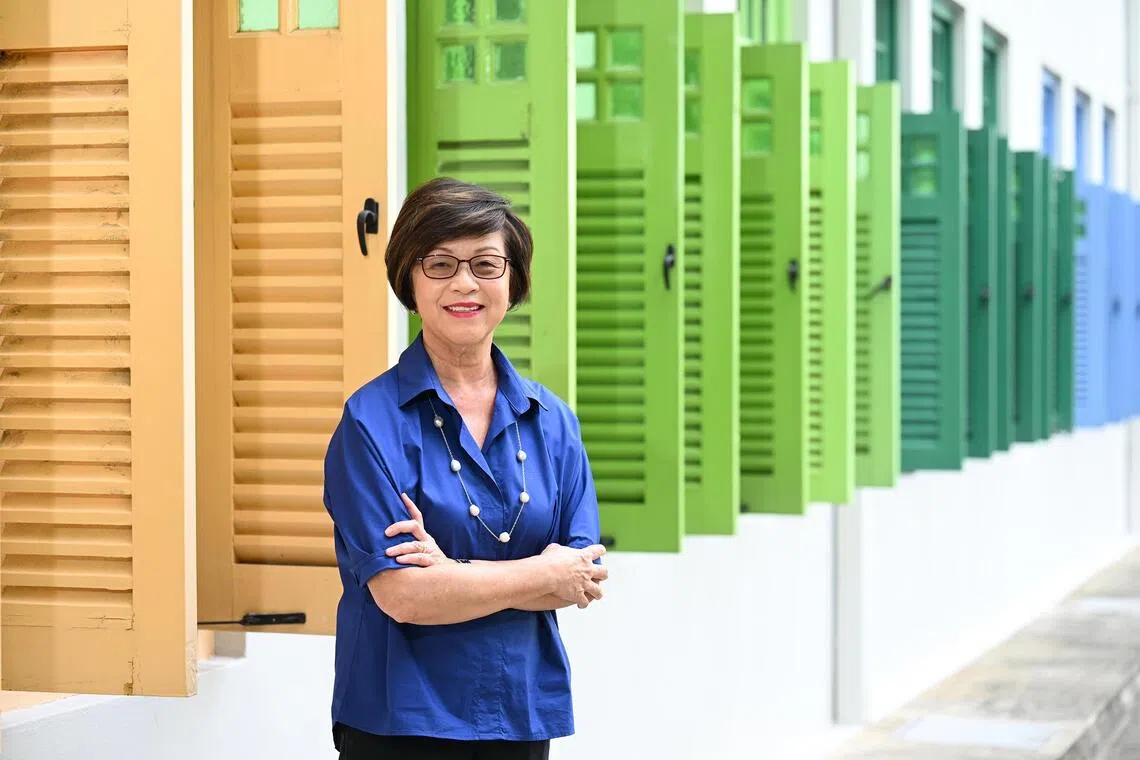
Christine Ong, former chairperson of CFS, said: “DAFs give donors the flexibility to set money aside now, and then decide over time who to support, without the cost of administration of running a private foundation.”


She added that DAFs democratise philanthropy and are not limited to the ultra-rich – only S$200,000 needs to be set aside to start one with CFS, which was the first organisation to bring DAFs to Singapore.
More financial institutions and philanthropic organisations are offering DAFs as an alternative giving vehicle, such as Bank of Singapore.
Dr Martin noted that DAFs are “attractive” options, particularly for donors who are unsure of which causes they want to support.
“DAFs are a great step on the ladder to strategic philanthropy – being strategic about your organisation, but not putting in all this heavy structure immediately,” he said. “So this is a good first step.”
The survey also stated that a “defining feature” of philanthropy in Singapore is the way it is framed within broader wealth planning. Giving is often considered alongside estate planning and long-term financial objectives.
Ong said: “DAFs can carry a family’s values across generations. And now, if you talk about succession planning and so on, it makes it so much easier.”
Collaborative efforts
The survey noted that more than 78 per cent of respondents said both the older and next generations are aligned on their values and willingness to innovate. About 91 per cent expressed a willingness to collaborate with peers, non-government organisations and governments.
“(Wealth holders) feel empowered by the advances in science, technology and finance to make more of a difference. In order to do that, they increasingly want to see what their peers are doing,” said Dr Martin.
He added that there is a “certain hunger for philanthropy education” among the next generation, as they look for more ways to collaborate and learn from each other.
According to a Bridgespan report titled How the World’s Wealthiest Families Give, which surveyed nearly 200 wealthy families around the world (including 115 based in Asia) and was released earlier this year, families’ most common partner was the government. Reasons included embedding solutions across public policy and unlocking public financial resources.
Likewise, another Bridgespan report released alongside it called High-Impact Family Philanthropy: What Makes Family Giving Distinctive stated that “sustained coordination” between community organisations, philanthropy, business and government could shift health, climate or education landscapes.
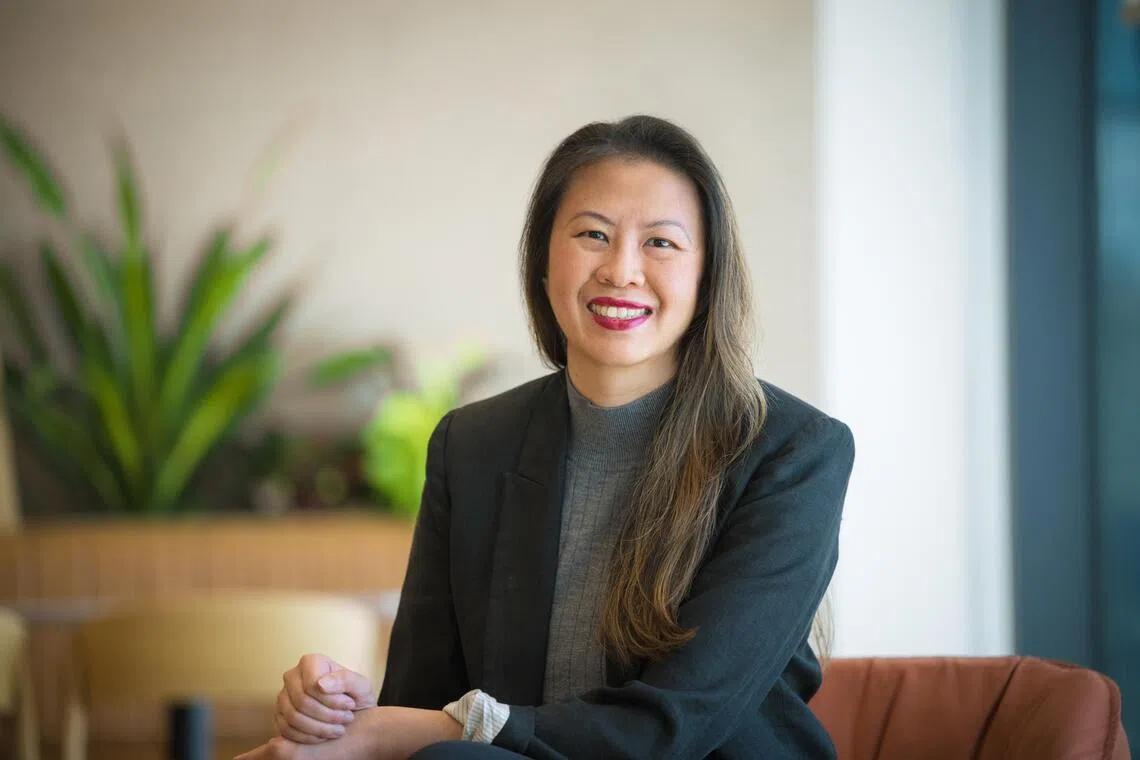
Gwendolyn Lim, partner and head of Bridgespan’s South-east Asia office, said: “Families understand that individually they can be catalytic, but it’s still a drop in the ocean… If they band together, they can fund things that are more ambitious and have a longer time frame.”
Philanthropists can set up collaborative funds for many parties to contribute to.
For example, the Health for Human Potential launched at Philanthropy Asia Summit 2025 aims to mobilise US$100 million in catalytic funding by 2030 to reduce preventable deaths and diseases in South-east Asia. Temasek Foundation and Tanoto Foundation are some of the organisations involved.
Lim also highlighted strategic regranters as an alternative giving vehicle. These are organisations that receive capital from primary funders and distribute funds to local or grassroots entities who work more on the ground with communities.
“We see both collaboratives as well as strategic regranters as the next vehicles or expertise needed to unlock a lot of money,” she added.
Decoding Asia newsletter: your guide to navigating Asia in a new global order. Sign up here to get Decoding Asia newsletter. Delivered to your inbox. Free.
Copyright SPH Media. All rights reserved.