Shareholder change ‘not a new thing’; firm’s strength comes from its talent: Cycle & Carriage MD
The Singapore and Malaysia car retailer’s staying power stems from its management and people, says Wilfrid Foo

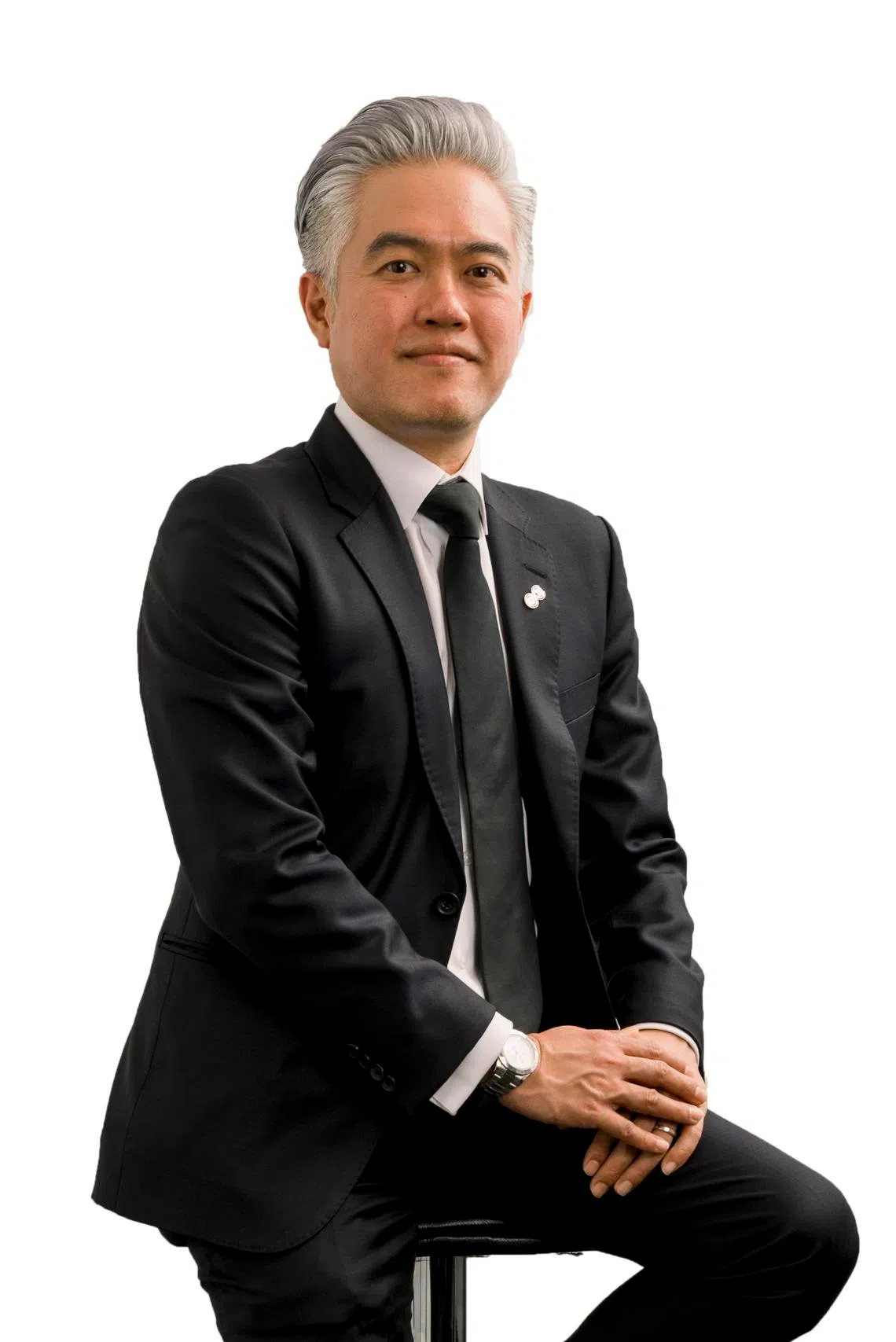
[SINGAPORE] Right off the bat, the head of automobile distributor Cycle & Carriage (C&C) Wilfrid Foo is keen to emphasise the independent nature of the company amid rumours of its impending sale.
“Shareholder change is not a new thing. The strength of this organisation lies in the endurance of its management team,” he told The Business Times in an interview.
“Our majority shareholder is Jardine Cycle & Carriage (JC&C), but we are C&C Singapore and Malaysia… I want people to know that we have full independence to make investment and operational decisions.”
He added that funding for C&C’s capital and operational expenditures comes from its own balance sheet and performance.
“My shareholder does not give me money. This autonomy is important because whatever our shareholder is doing, the business will continue, and customers will continue to come to us for service and their needs.”
His views come as speculation surrounding the future of the unit has kicked into overdrive. In May, mainboard-listed JC&C was reported to be considering selling the unit.
“Even if there is a sale (of C&C), what are they buying? There is no intellectual property, no factories… They are buying the brand, buying expertise of people, teams that work and have known the business for many years,” said Foo.
A long history
While well-known, C&C is not a major part of its parent company’s business. It contributed just US$56 million to the group’s US$1.1 billion underlying profit for the 2025 financial year, or around 5 per cent.
The Indonesian businesses of JC&C, which include the diversified Astra group and Tunas Ridean auto dealership, generated US$945 million in underlying profit for FY2025 – about 85 per cent.
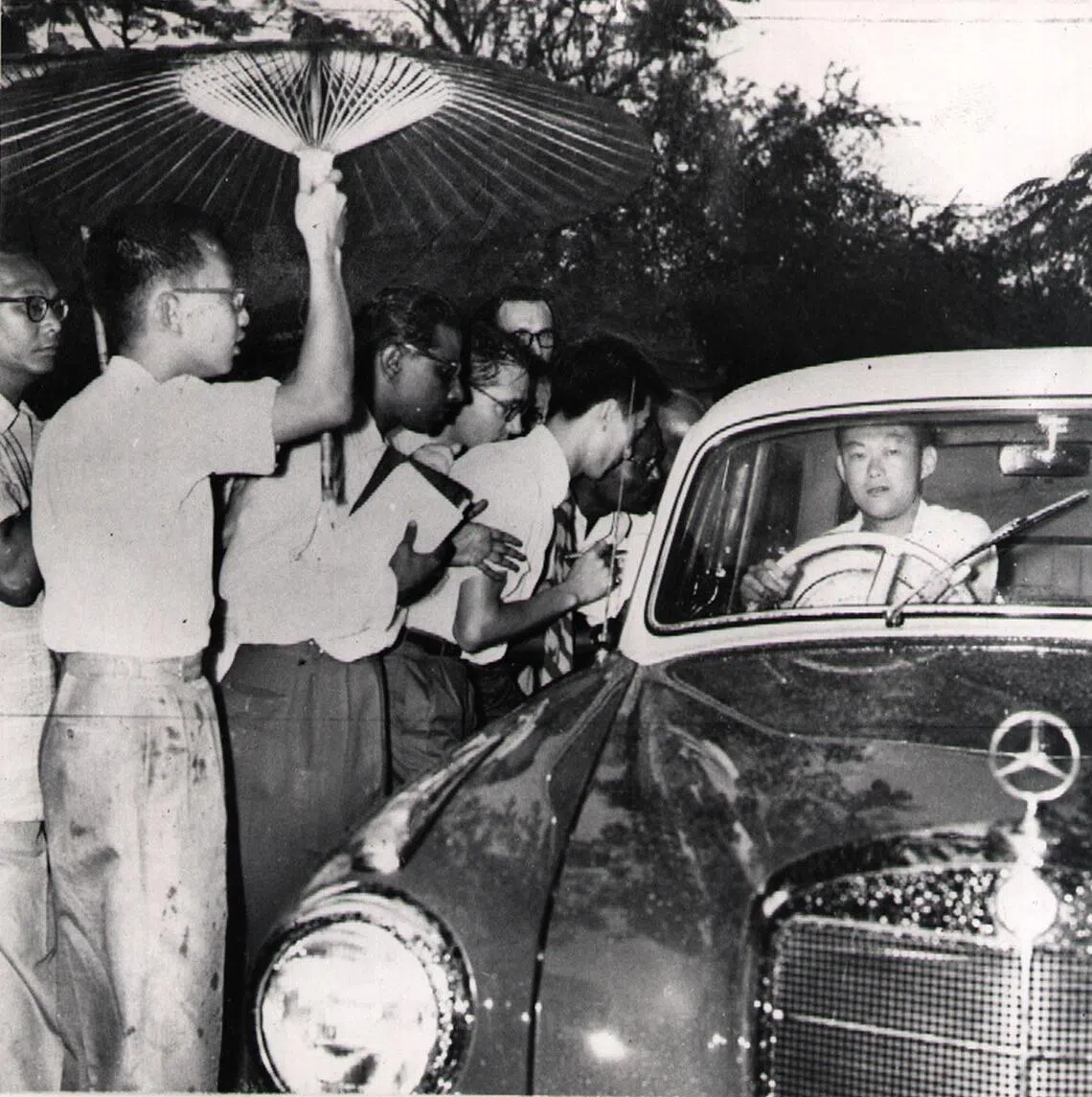
C&C has its origins in Federal Stores, founded in 1899 by the Chua family in Malaysia. It began selling cars as C&C in 1918.
In 1951, it became the distributor for Mercedes-Benz, even assembling the cars at a factory in Singapore in 1965. In 1969, it listed on the Stock Exchange of Malaysia and Singapore.
“I’m not privy to what my shareholders think about their portfolio. What I can say is that over the last two years, JC&C has shifted away from the owner-operator model to being an active investor.”
Wilfrid Foo, managing director of direct motor interests, Jardine Cycle & Carriage
In 2002, Jardine became majority shareholder of Cycle & Carriage Limited after buying a 21.1 per cent stake from Malaysia-based Edaran Otomobil Nasional.
JC&C is itself owned by Jardine Matheson , a Hong Kong-based conglomerate whose empire includes DFI Retail and Mandarin Oriental Hotel Group, as well as other holdings across the Asia-Pacific.
C&C is the agent for several automotive brands in Singapore and Malaysia, including Mercedes-Benz, Kia and Leapmotor, as well as Citroen and Peugeot from the Stellantis group.
It ranks among the largest automotive retailer groups in Singapore, and has 15 dealerships and facilities in Malaysia.
Asked by BT about a possible divestment, Foo said that he had no knowledge of a potential sale of C&C.
“I’m not privy to what my shareholders think about their portfolio. What I can say is that over the last two years, JC&C has shifted away from the owner-operator model to being an active investor,” he said.
The 48-year-old is the managing director of direct motor interests at JC&C, overseeing C&C’s operations in Singapore and Malaysia.
His words echo those of JC&C’s new chief executive officer Lincoln Pan, the former co-head of private equity at investment firm PAG who took the helm last May.
In recent years, JC&C has executed sale-leasebacks on multiple C&C properties in Singapore and Malaysia, including the iconic Mercedes-Benz Centre along Alexandra Road.
Industry observers have interpreted these actions as possible preparations for a sale. Such a move could be valued between US$250 million and US$350 million.
BT senior correspondents weighed in recently, too. Jude Chan thinks this would be “timely and necessary”, while Ben Paul made the case for all of JC&C being taken private.
Car ownership still an aspiration
These developments have arrived at a time of turmoil for the car industry, as legacy automakers face sales headwinds amid aggressive Chinese newcomers challenging the order.
C&C’s flagship car brand, Mercedes-Benz, has not been spared. In the first quarter of 2026, its registrations dipped 37.7 per cent year on year, even as China brands such as BYD, Chery, GAC and MG raced up the sales charts.
“Policy changes (left) part of Mercedes-Benz’s portfolio... wanting, but it will correct itself soon,” said Foo, referring to recent changes in the Preferential Additional Registration Fee rebate that have favoured less expensive cars and dented sales of luxury models.
Singapore has “a policy-driven motor industry, and the recent changes have (certainly affected it) in the short term”, he added. “But players will automatically correct in the mid-to-long term.”
He noted that Mercedes-Benz, for instance, is on the cusp of a new model offensive to launch more than 40 new electric vehicles by next year.
The market has seen equally dramatic policy shifts in the past, as well as huge changes in costs, he said. For example, Certificate of Entitlement premiums for cars now stand above S$120,000, compared with S$30,000 in the early 2020s.
But Foo remains bullish on the long-term prospects of car sales here.
“The Singapore mentality towards cars is still aspirational and demand will always be strong,” he said.
“Why does the price keep going up? The answer is our population was around three million in the 1990s, and is now six million, but the vehicle population has stayed stable at around one million vehicles.”
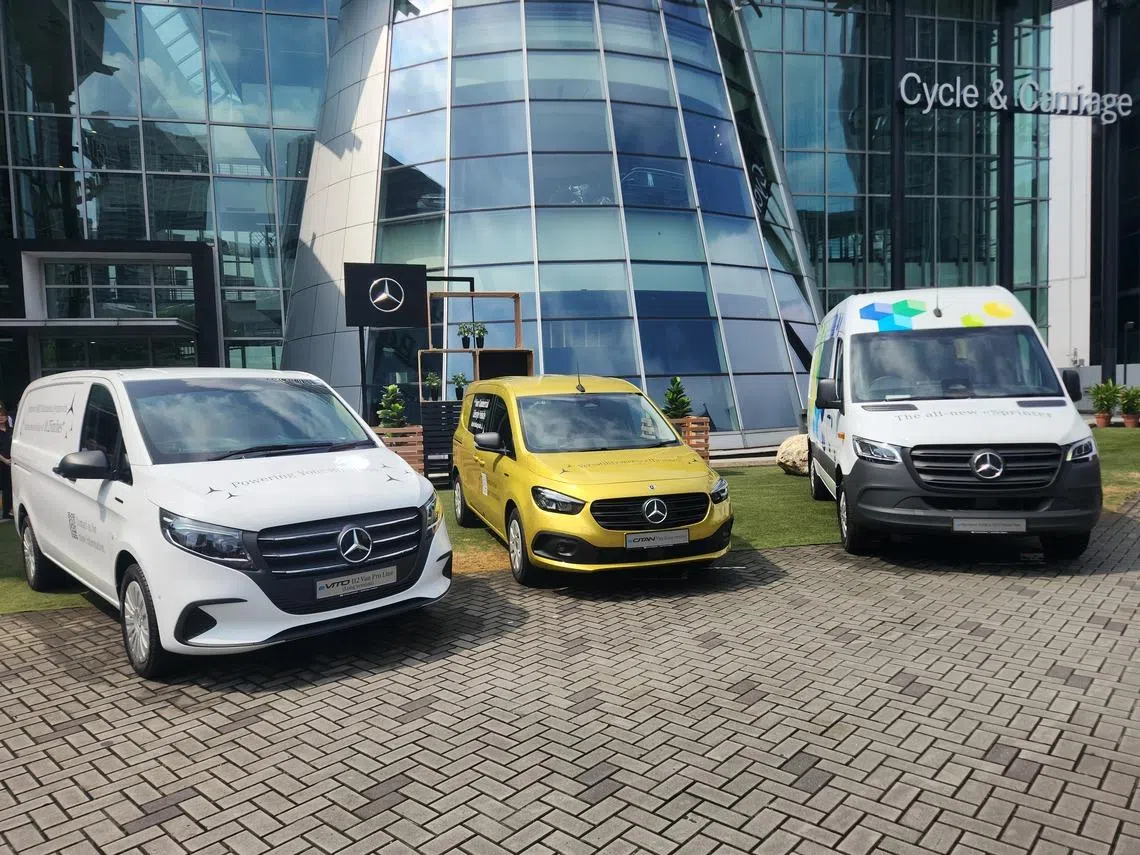
A highlight of C&C’s performance is its burgeoning commercial vehicle sales.
In 2025, the company’s roster took 30 per cent of the light goods vehicle segment in Singapore and its total commercial vehicle sales were up 74 per cent, thanks to Chinese brands Maxus and Zhongtong.
Dealing with policy changes and seeing new opportunities are exactly why C&C has managed to stay relevant and profitable, Foo argued – and also why any potential changes in ownership would favour preserving the company as it is.
“Considering that (the Singapore) market is by far the most complex in the world, selling the most expensive cars in the world, with a policy environment that is ever-changing, you need people (who) understand the fabric, where it came from, how it is and where it is going,” he said.
“People invest in successful businesses. If you were acquiring our business, you would want to keep it... successful for a long time to come.”