



Tankers exit Strait of Hormuz as Trump, Vance talk up Iran deal prospects
The US has been struggling to end the war it began with Israel nearly three months ago
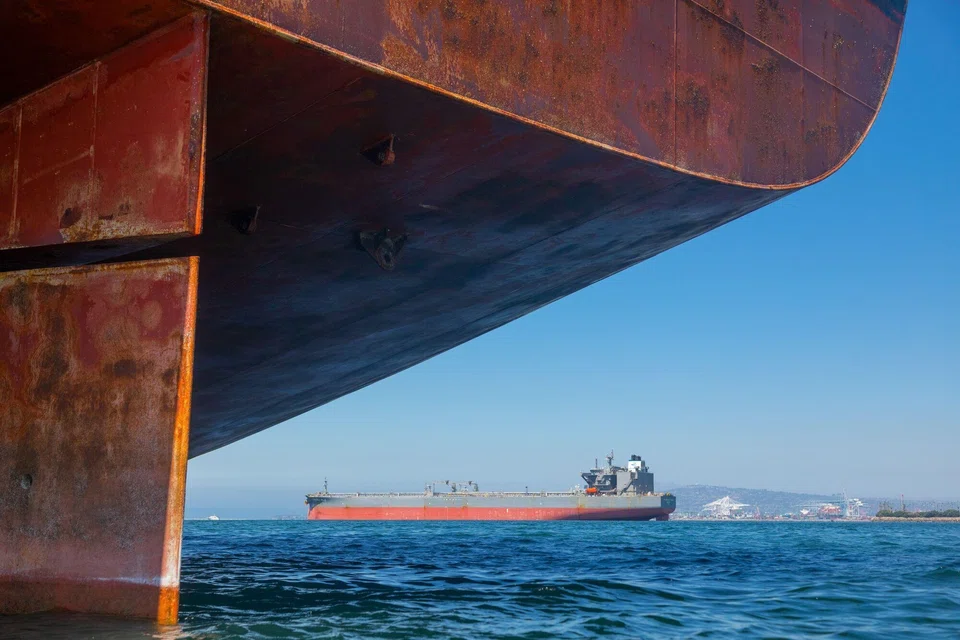
[SINGAPORE/WASHINGTON] Two Chinese tankers laden with oil exited the Strait of Hormuz on Wednesday (May 20), shipping data showed, brightening hopes that the US-Israeli conflict with Iran may soon be resolved after positive comments from the US president and his deputy.
US President Donald Trump said on Tuesday that the war would be over “very quickly” while Vice-President JD Vance talked up progress in talks with Teheran about an agreement to end hostilities.
“We are in a pretty good spot here,” Vance told a White House press briefing.
Trump made his comments a day after saying he had paused a planned resumption of hostilities following a new proposal by Teheran to end the conflict.
“I was an hour away from making the decision to go today,” Trump told reporters at the White House on Tuesday.
Iran’s leaders are begging for a deal, he said, adding that a new US attack would happen in the coming days if no agreement was reached.
The US has been struggling to end the war it began with Israel nearly three months ago. Trump has repeatedly said during the conflict that a deal with Teheran was close, and similarly threatened heavy strikes on Iran if it did not reach an accord.
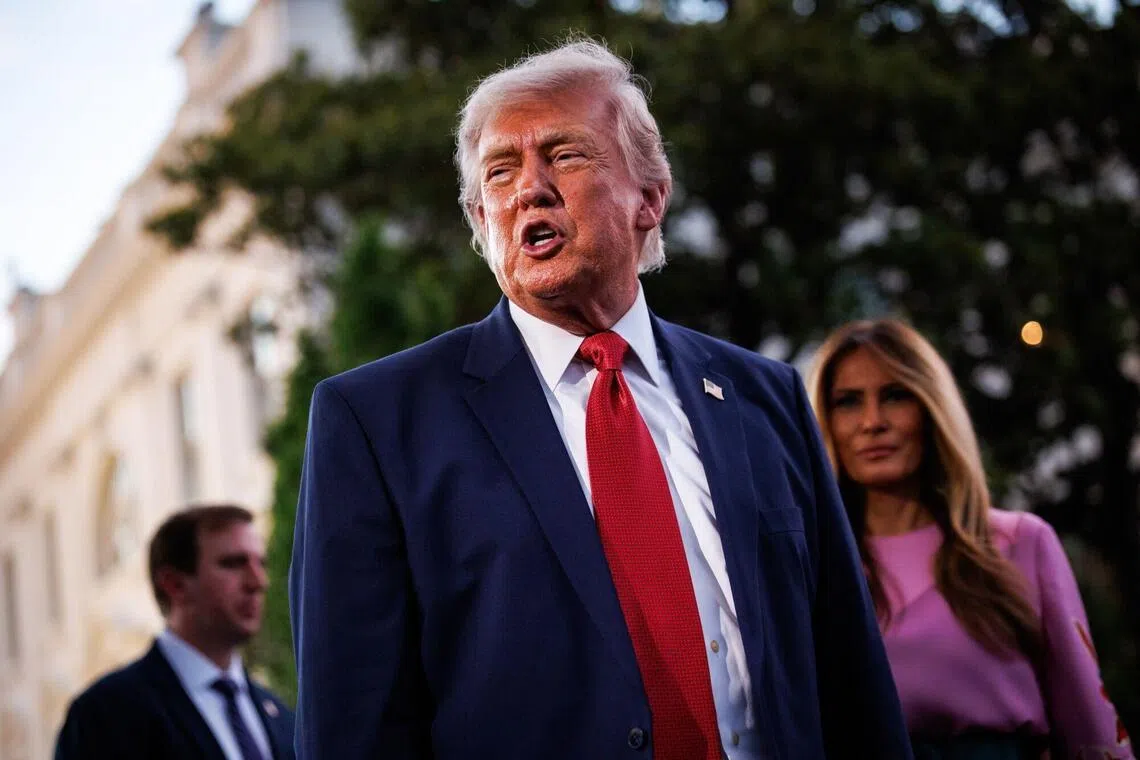
The US president is under intense political pressure at home to reach an accord that would reopen the Strait of Hormuz – a key route for global supplies of oil and other commodities. Petrol prices remain high and Trump’s approval rating has plummeted with congressional elections looming in November.
The conflict has caused the worst-ever disruption to global energy supplies, blocking hundreds of tankers from leaving the Gulf while damaging energy and shipping facilities across the region.
SEE ALSO
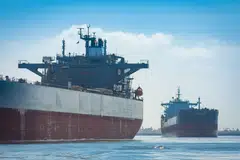
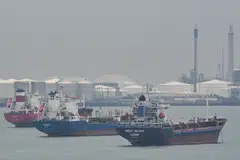
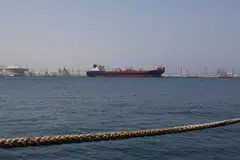
Two Chinese ships, among a handful of supertankers carrying Iraqi crude, exiting the Gulf this month, passed through the narrow strait carrying around four million barrels of crude, according to data from LSEG and Kpler.
Oil prices eased on the positive signals from the White House and in the Gulf, with Brent crude falling to as low as US$110.16 a barrel, before regaining much of its losses.
“Investors are keen to gauge whether Washington and Teheran can actually find common ground and reach a peace agreement, with the US stance shifting daily,” said Toshitaka Tazawa, an analyst at Fujitomi Securities.
Difficulties in negotiations
Speaking to reporters at a White House briefing, Vance acknowledged difficulties in negotiating with a fractured Iranian leadership. “It’s not sometimes totally clear what the negotiating position of the team is,” he said, so the US is trying to make its own red lines clear.
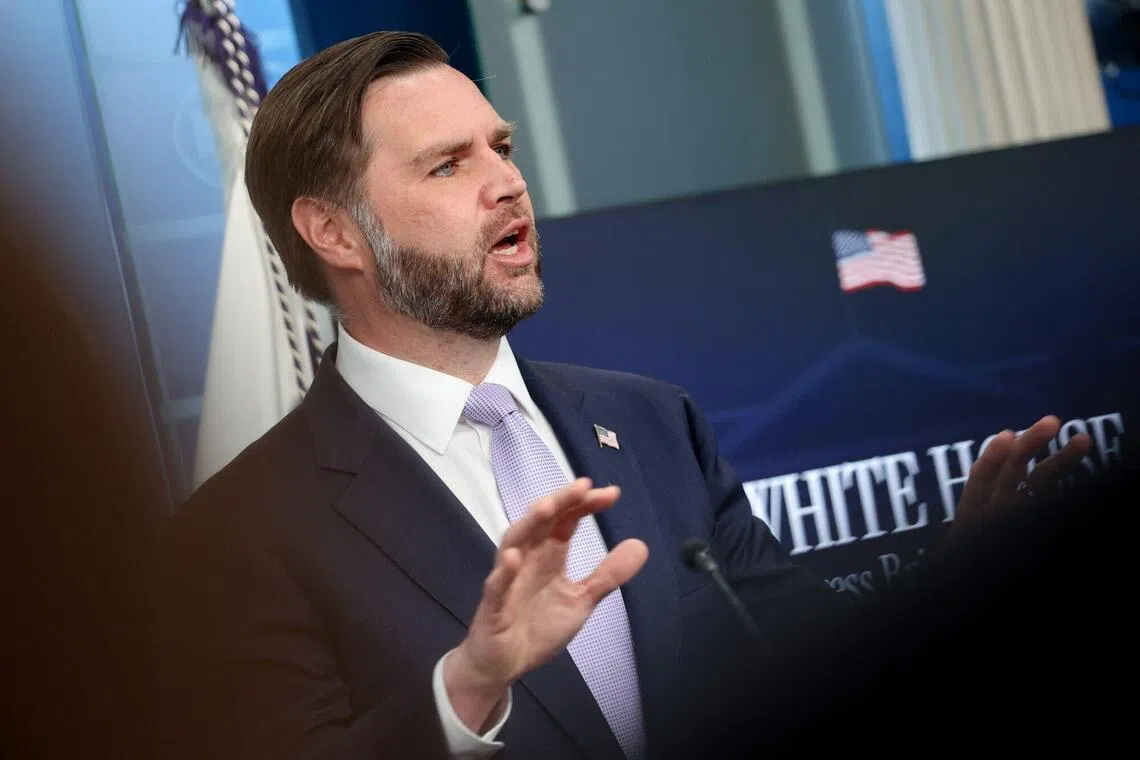
He also said that one objective of Trump’s policy is to prevent a nuclear arms race from spreading in the region.
Ebrahim Azizi, head of the Iranian parliament’s national security committee, said on X that Trump’s pausing of an attack was due to the realisation that any move against Iran would mean “facing a decisive military response”.
Iranian state media said that Teheran’s latest peace proposal involves ending hostilities on all fronts, including Lebanon, the exit of US forces from areas close to Iran, and reparations for destruction caused by the US-Israeli attacks.
Teheran also sought the lifting of sanctions, release of frozen funds and an end to the US marine blockade, according to Deputy Foreign Minister Kazem Gharibabadi as cited by IRNA news agency.
The terms as described in the Iranian reports appeared little changed from Iran’s previous offer, which Trump rejected last week as “garbage”.
Ceasefire mostly holding
The US-Israeli bombing killed thousands of people in Iran before it was suspended in a ceasefire in early April.
Israel has killed thousands more and driven hundreds of thousands from their homes in Lebanon, which it invaded in pursuit of the Iran-backed Hezbollah militia.
Iranian strikes on Israel and neighbouring Gulf states have killed dozens of people.
The Iran ceasefire has mostly held, although drones have lately been launched from Iraq towards Gulf countries, including Saudi Arabia and Kuwait, apparently by Iran and its allies.
Trump and Israeli Prime Minister Benjamin Netanyahu said that they launched the war to curb Iran’s support for regional militias, dismantle its nuclear programme, destroy its missile capabilities and create conditions for Iranians to topple their rulers.
But the war has yet to deprive Iran of its stockpile of near-weapons-grade enriched uranium or its ability to threaten neighbours with missiles, drones and proxy militias.
The Islamic Republic’s clerical leadership, which had faced a mass uprising at the start of the year, withstood the superpower onslaught with no sign of organised opposition. REUTERS
Decoding Asia newsletter: your guide to navigating Asia in a new global order. Sign up here to get Decoding Asia newsletter. Delivered to your inbox. Free.
Share with us your feedback on BT's products and services
TRENDING NOW

DBS, OCBC, UOB rout lops billions off STI as inflation, rate concerns spook investors

Grab CEO’s wife Chloe Tong on life with Anthony Tan and finding her purpose

OCBC sheds S$8 billion in value as shares close nearly 6% down; analysts cautious on banks

Deal between tycoon friends sparks scrutiny of Philippine power sector

