US and Iran review latest proposals from mediators
The fresh diplomatic efforts follow weeks of tensions, with both sides signalling potential attacks
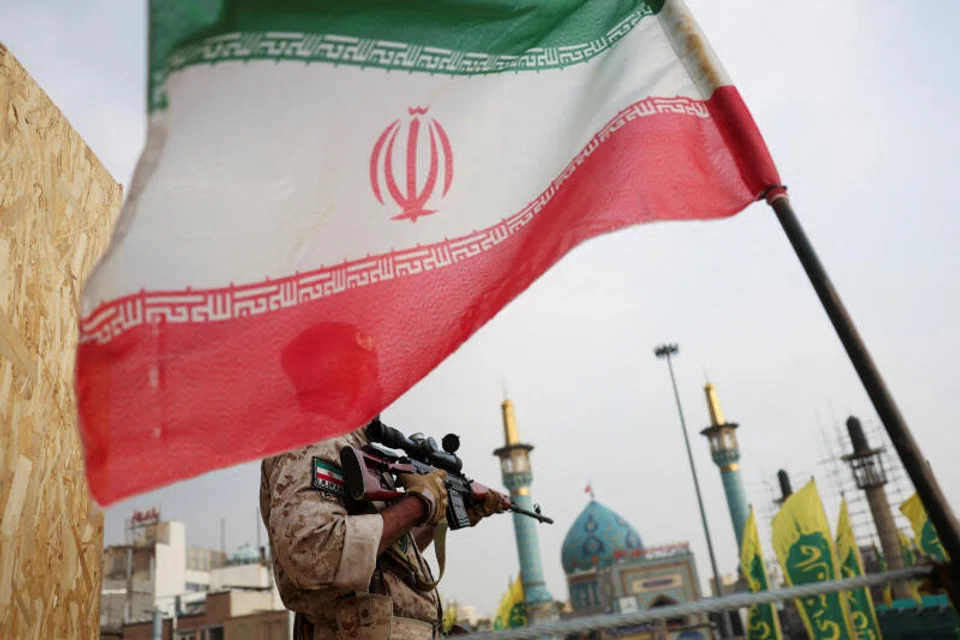
[DUBAI] Iran and the US are reviewing the latest proposals from mediators on how to bridge their divides and avert another round of all-out war, according to a diplomat briefed on the matter.
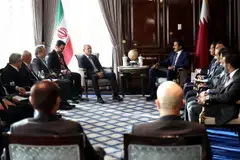
Qatari mediators flew to Teheran on Monday (Nov 2) for more talks with Iranian officials and returned late in the day, said the diplomat, who asked not to be named discussing sensitive matters. The talks in the Iranian capital were positive, the diplomat said.
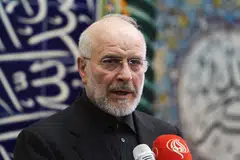
Mohammad Bagher Ghalibaf, Iran’s parliament speaker and a senior negotiator with the US, said his country had “delivered a strong and rational response to the American side”, according to a report from Iran’s Fars news agency.
“The ball is now in America’s court to prevent a war,” he added, reiterating Iran is ready to retaliate fiercely against any US-Israeli attacks.
The latest diplomatic efforts follow weeks of heightened tensions, with Iran stepping up strikes on ships around the Strait of Hormuz and US President Donald Trump signalling he could order a new bombing campaign against the Islamic Republic after Tuesday’s midterm elections, in which his Republican party is expected to lose many seats in Congress to the Democrats.
Israeli Prime Minister Benjamin Netanyahu has in recent weeks talked up the need for regime change in Iran. Axios reported on Sunday that he is pressing Trump to strike Iran right after the vote.

The US overnight struck targets on the Iranian island of Qeshm inside the strait, according to several American media outlets.
They were limited military actions, designed to help ships sail safely through the waterway, and, at least in once instance, were in response to Iran’s Islamic Revolutionary Guard Corps firing at an American jet, The Wall Street Journal reported, citing unidentified US officials.
The US has not announced the attacks.

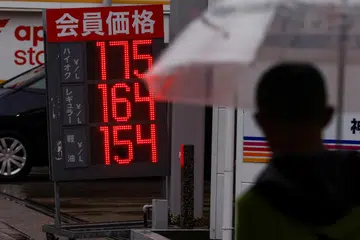
While oil prices have soared over the past month on worsening tensions – further hurting Trump’s political standing among Americans – they tumbled around 10 per cent on Monday on signs the White House is willing to allow more time for a diplomatic resolution.
Brent crude rose 1.7 per cent to US$106.50 a barrel in early trading on Tuesday, but remains far below last week’s close of almost US$118.
“They want to make a deal, and that could happen,” Trump told reporters in Washington during his closing message before the midterm elections. He added that oil prices had fallen because “it looks like that’s coming together very nicely”.
When a reporter shouted a question about whether he would resume military strikes after the elections, Trump mouthed: “No”.
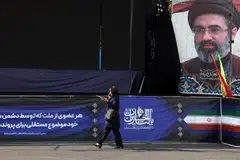
Earlier on Monday, Iran’s President Masoud Pezeshkian said his government has been granted more authority by Supreme Leader Mojtaba Khamenei to pursue peace talks.
“We are striving to resolve the issue through dialogue and, in this regard, the supreme leader has also granted certain powers to the government,” the state-run Islamic Republic News Agency cited Pezeshkian as saying.
The Iranian president did not clarify the extent of the new authority bestowed by Khamenei or whether it signals a broader shift for the Islamic Republic.
Trump has repeatedly said he will resolve the Iran conflict soon, either with a deal or by resuming extensive strikes.
The war began in late February when the US and Israel started bombing Iranian targets and assassinating senior officials in strikes, including former Supreme Leader Ali Khamenei.
US officials initially talked of a war lasting no more than four to six weeks and Trump has grown frustrated with Iran’s resilience.
It caused chaos across the Persian Gulf region with counter-strikes on American allies such as the United Arab Emirates, Saudi Arabia and Qatar.
And it effectively closed the Strait of Hormuz for a period by attacking ships, boosting oil and liquefied natural gas prices.
The rise in fuel costs, with diesel hitting a record in the US and petrol surpassing US$4 a gallon on average, contributed to Americans turning against the conflict.
Following a truce in early April, the sides have skirmished regularly, though with far less intensity than during the first phase of the war.
They agreed on a so-called memorandum on understanding in June that was meant to lead to a formal peace, but it broke down within about two weeks.
After his remarks on Monday, Trump wrote on social media that “Oil Prices are DROPPING LIKE A ROCK, down almost $10 a Barrel, A RECORD, because people feel that there will not be a War with Iran”.
Trump’s Vice-President JD Vance echoed the more dovish comments on Monday.
“We’ve had a number of good conversations with the Iranians,” he told reporters. “The president and I both feel pretty good about the prospects of potentially coming to a negotiated settlement. Of course, the Iranians are always a little unpredictable.”
Major differences seem to remain between the warring sides. Teheran wants a US naval blockade of its ports lifted and US pledges to ease sanctions and release frozen assets.
Washington is demanding concessions related to Iran’s nuclear programme.
“Consultations and deliberations have become highly intensive,” Iran Foreign Minister Abbas Araghchi said during a visit to Turkmenistan.
“We have presented our terms and plan, and everything depends on Washington’s political rationality. If they intend deception and military operations, they will face a response harsher and heavier than before.”
Key to Iran’s strategy is getting a deal that ensures there will be no future attacks by the US or Israel, according to Ali Vaez, director of the Iran Project at the International Crisis Group.
“Teheran is willing to negotiate an end to the war, but it wants more than a pause before the next round of hostilities,” he said. “It seeks a durable peace that restores its deterrence.”
Khamenei has ordered his top military commanders to prepare for renewed confrontation with the US and Israel and expand Teheran’s options for retaliation.
That has fuelled fears among Gulf Arab states that a better-prepared Iran could unleash an even more destructive war across the region, leaving them to pick up the pieces.
Iran’s foreign minister says talks with Saudi Arabia are ongoing
Talks between Iran and Saudi Arabia are ongoing as Teheran aims to reach new regional security arrangements for countries in the region without foreign military involvement, Iranian Foreign Minister Abbas Araqchi said on X on Tuesday (Nov 3).
Last week, top officials from Saudi Arabia, Turkey and Pakistan met Iranian officials in Teheran, the first high-level contact between Iran and the three nations since August.
The US-Israeli war on Iran started in late February and since then, fighting has spread to Saudi Arabia and Yemen.
Riyadh said the visit was intended to open negotiating channels to “prevent the return of military escalation”, as fighting between Saudi Arabia and Yemen’s Iran-aligned Houthis had intensified in recent weeks.
Houthi attacks on the kingdom escalated as the powerful militia advanced towards the Bab el-Mandeb Strait, a key shipping chokepoint that lies on the opposite side of the Arabian Peninsula from the Strait of Hormuz.
The Houthis have also attacked Saudi oil facilities and airports including Riyadh’s international airport, disrupting flights and oil exports and drawing Saudi airstrikes on Yemen in response.
Impoverished Yemen has been mired in a civil war since the Houthis pushed the internationally-recognised, Saudi-backed government out of the capital, Sanaa, in 2014. BLOOMBERG, REUTERS
Decoding Asia newsletter: your guide to navigating Asia in a new global order. Sign up here to get Decoding Asia newsletter. Delivered to your inbox. Free.
Share with us your feedback on BT's products and services