AI is buying Thailand time to fix tourism
The country is enduring a malaise because of a drop in demand from vital markets
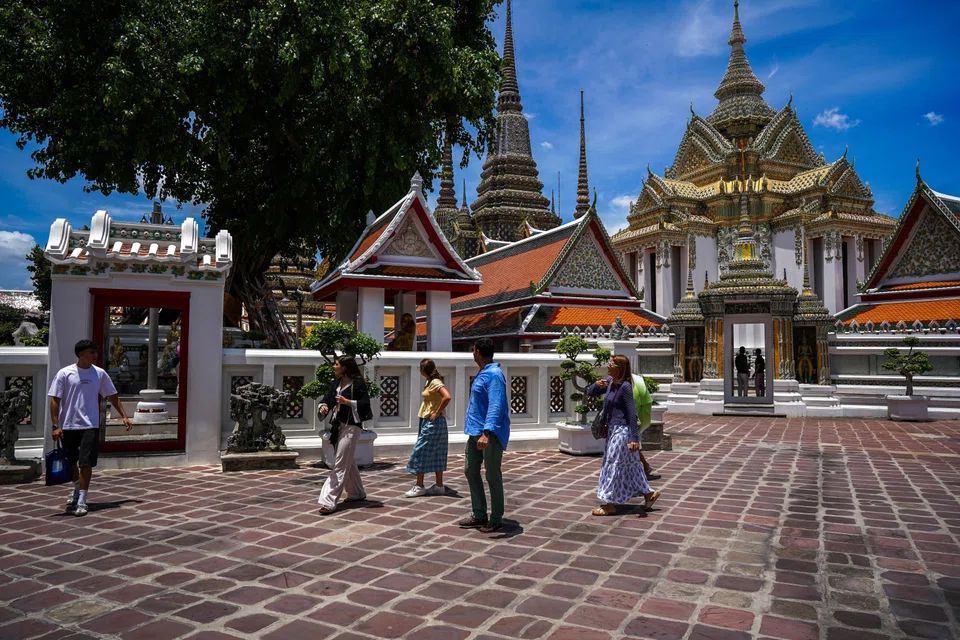
THAILAND’S tourism industry, long a rock for the economy, is hurting. Luckily, a surge in exports has come along at an opportune time.
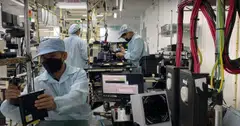
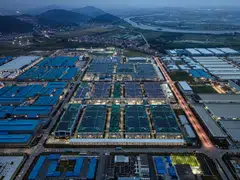
Shipments of electronics are propelling expansions across Asia, and masking soft spots that in a less turbocharged environment would warrant serious attention. Technology can’t cover for every shortcoming, but it’s giving the economy some breathing space … for now.
Given resilient global economic growth, the kingdom’s hospitality business ought to be doing better. Yet the number of new arrivals will likely decline for a second consecutive year, according to projections from the central bank. That’s a setback unseen since at least 1995, aside from the pandemic, when borders were effectively shut. There are a myriad of reasons from security concerns to higher oil prices and a Chinese slowdown that are weighing on the US$45 billion trade.
The former head of the country’s tourism authority recently likened the shortfall to a recession. If so, it’s one that’s yet to leave a big scar on the broader economy. In July to September, gross domestic product rose 2.9 per cent from a year earlier, a faster clip than in the second quarter. Exports soared, as did investment, buoyed by artificial intelligence. Still, household consumption underwhelmed and state spending fell.
The travel industry accounts for around 12 per cent of GDP and a fifth of total employment. While disruptions to schedules from the Iran war skewed some plans, the World Bank still sees a respectable year for global tourism. Thailand is enduring a malaise because of a drop in demand from vital markets. Visits from China, the largest source of tourists, have been constrained by concerns about safety (an actor disappeared near the border with Myanmar in 2025 and Chinese diplomats have warned about kidnappings tied to scam centres). Chinese also have been less inclined to splurge on travel or goods amid a lingering property market downturn.
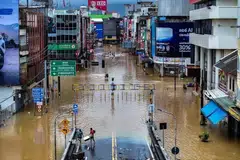
In December, record flooding in the south, where Thailand shares a border with Malaysia, spawned images of deluged cars in the gateway city of Hat Yai, deterring visitors from its second-biggest market. Armed border skirmishes with another neighbour, Cambodia, killed at least 150 people. This was an unfortunate trifecta over which hoteliers and airlines had no control.

But underlying conditions are also shifting – and not to Thailand’s advantage. Changes in travel patterns and the balance of commercial power in South-east Asia have caught up with it. Vietnam is not just enjoying a surge in growth based on exports, its bulking up tourist offerings, too, and busily expanding infrastructure. Tourism was embedded in the Thai economy well before the end of the Cold War and the opening of Vietnam’s Soviet-style economy that followed. The kingdom was vulnerable to a newcomer with the willingness to adapt quickly.
Thailand also benefited from patterns developed in previous generations that aren’t as prevalent today. It was well situated to capitalise on the rise of the so-called kangaroo route between Europe and Australia in the 1970s. The Boeing 747s that became ubiquitous needed to refuel, with South-east Asia a favourite stopover. Bangkok, Singapore and, to a lesser extent, Kuala Lumpur reaped dividends.
But the Middle East caught on, and Gulf states flush with petrodollars invested in state-of-the-art airports, lodging and fleets of new long-range aircraft. Singapore clung to its niche, in part because of long-term planning and a hold on business travel. For all the allure of temples, beaches and clubs, Thailand will struggle to rival the city-state as a financial centre or a place to conduct top-level meetings and negotiations.
SEE ALSO


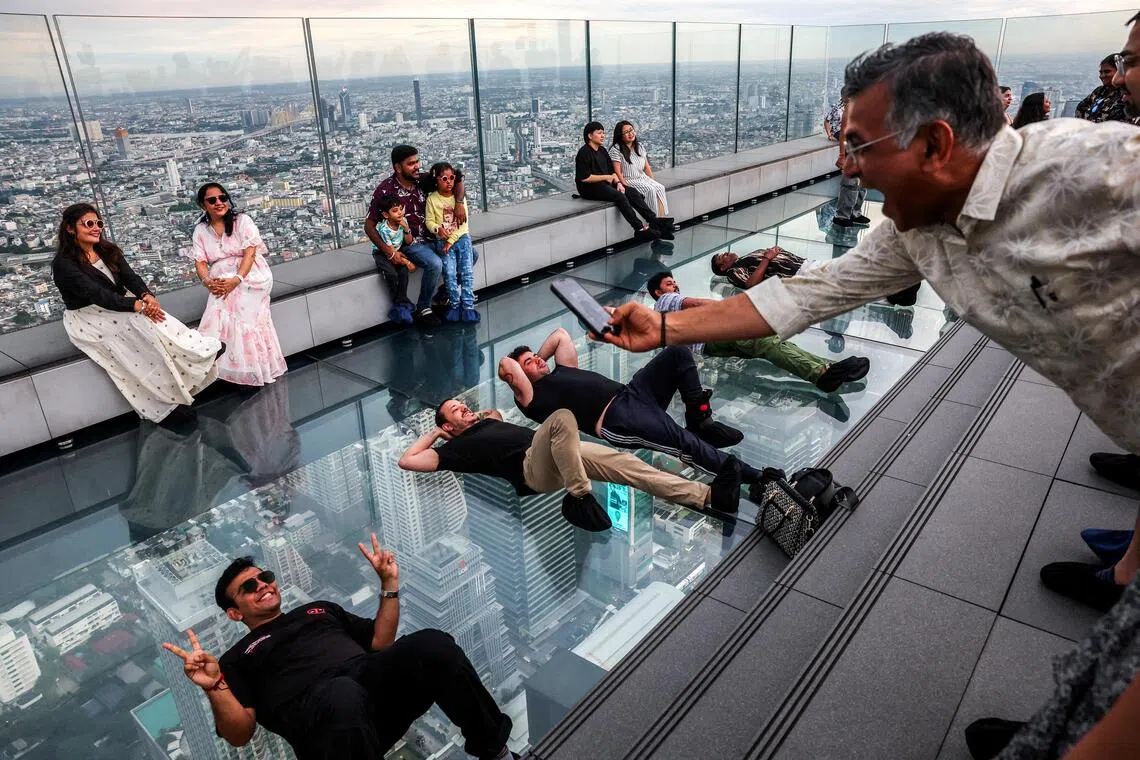
Thailand’s tourism industry is going through an identity crisis. Officials say they aren’t fazed by any fall off in budget tourists and will focus on wooing high-income travellers, including those who crave the kind of costly wellness experience like that depicted in the third season of the popular The White Lotus. (That season of the HBO series was filmed on the island of Koh Samui, sparking interest in vacationing there.)
It’s fine to say, as a Tourism Authority of Thailand executive told Bloomberg News earlier in 2026, that quality matters. But an industry built on mass-market attractions can’t pivot too easily even if it wants us to believe that “healing is the new luxury.”
That’s a convenient message to convey during a downdraught. But can it really support an industry that’s focused for so long on scale? Departing Bangkok’s main airport on a recent evening, normally a busy time, I was struck by how few people were in the shops and cafes. Coming out of passport control, staff handed out 500-baht (US$15) vouchers, two for each passenger.
Every industry must keep moving and adapt. Thank goodness AI is here to tide things over. When that surge subsides, as it eventually must, Thailand, will face the real test. BLOOMBERG
Decoding Asia newsletter: your guide to navigating Asia in a new global order. Sign up here to get Decoding Asia newsletter. Delivered to your inbox. Free.
Share with us your feedback on BT's products and services