

How the ultra-rich buy property
Brokers share insights and bust a couple of myths about the hallmarks of super prime residential transactions
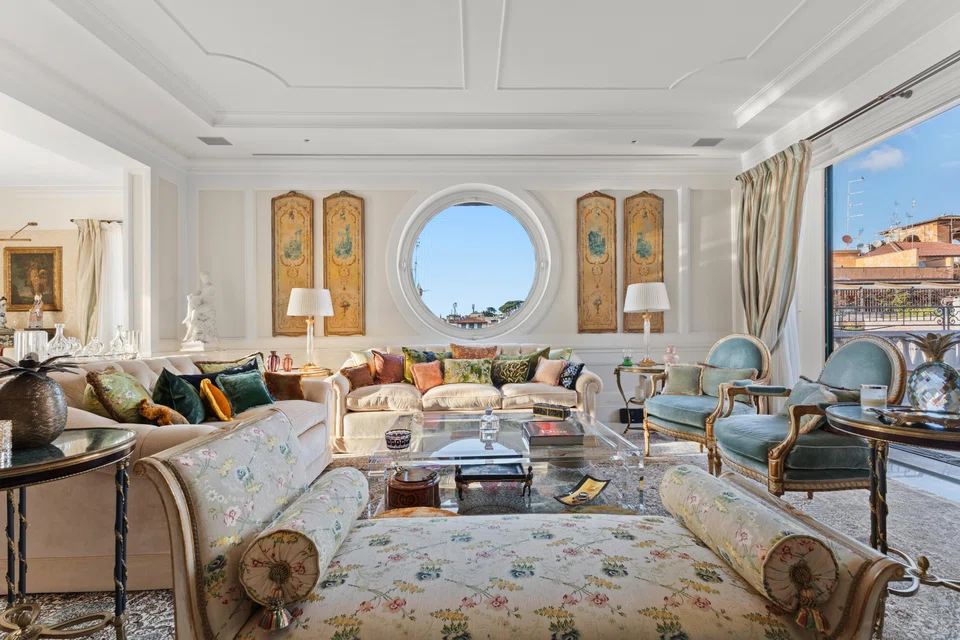
[SINGAPORE] Some imagine that for those with very deep pockets, purchasing property looks like this: Buyers fall in love with something they see and quickly – and coolly – place a deposit on it. Voila, the deal is done.
That, however, couldn’t be further from the truth. In reality, how ultra-high-net-worth (UHNW) individuals buy property looks less Hollywood and more like a very detailed Excel sheet comparing potential homes.
From there, decision-making is driven by careful considerations such as structuring for tax efficiency, wealth transfer and risk management, with input from advisers and family members.
Privacy, security, off-market mansions and the refusal to overpay are just some characteristics in the rarefied world of UHNW real estate deals.
Based on Knight Frank’s Wealth Report 2026, the Asia-Pacific is home to 31 per cent of UHNW individuals (with a net worth of US$30 million or more) and that proportion is expected to rise by 24.3 per cent over the next five years.
With Singapore, the Philippines, Australia, Vietnam and Indonesia all ranked in the top 10 globally for the fastest-growing UHNW-individual populations, this can only mean more big ticket deals to come.
Beyond being a home and a core asset class for wealth preservation across generations, property can be prestigious trophy assets that reflect a family’s “brand”, says Nicholas Keong, head of residential and private office at Knight Frank Singapore.
His team has brokered residences ranging from a S$5 million holiday home in New Zealand to a Good Class Bungalow (GCB) here for more than S$40 million.
Discretion and off-market mansions
Typically, intermediaries – whether they’re the buyers’ family office, banker or lawyer – approach a real estate broker, who needs to understand the motivations for the home search.

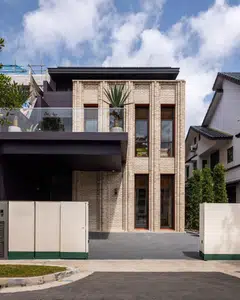
These include why the UHNW individuals are moving, whether they’re seeking a resort or urban home, and if they’re buying for business, tax, security or lifestyle reasons.
Non-disclosure agreements are typically signed at the start of the search process, which is always kept as discreet as possible.
“Usually, people are aware that an individual was looking for a home only after the transaction has taken place,” says Otto Twist, South-east Asia director for international residential sales at Savills Singapore.
Such property searches tend to start from US$10 million and can go all the way up to £270 million (S$465.3 million), he adds.

From there, brokers could source open listings on the global market or go off-market by approaching the owners of very unique properties.
“Sometimes, people have very specific requirements about the street or resort they want to live in,” says Twist, noting that female billionaires put twice as much of their wealth into real estate as their male counterparts.
“Within many families, the woman tends to be the key decision-maker on all things real estate.”
Extremely special overseas properties could also be privately introduced to a select group of 20 to 30 potential buyers on, say, a yacht in Singapore.
“That’s because buyers are not there on the ground, and it’s impossible to coordinate 20 people with money from Singapore to be in Phuket at the same time,” explains Felix Desjardins, head of acquisitions for Phuket and Koh Samui at List Sotheby’s International Realty Thailand.
“Gathering them in Singapore is already challenging.”
That said, Desjardins has had to fight the myth that “a Dubai prince or rich Chinese industrialist is going to come and fall in love with a property”.
“That guy does not exist. It’s never like ‘oh, I need to have this property’. It just doesn’t happen. Buyers are very good at negotiating, and I’ve never seen someone overpay.”
He remembers a case where a deal was close to being sealed, but the buyer refused to pay an additional US$150,000 or so to retain the furniture he wanted. “He said: ‘No, I’m not paying a dime more.’”
Instead, despite visiting multiple “amazing properties almost every day”, buyers will raise various objections. “They’ll ask why the sale of the home is stagnating – what’s the problem with it? But resort markets just move slower.”
And while some of the ultra-rich visit a property five or six times prior to their purchase, others never turn up physically for viewings or to sign transaction documents, though they still “ask a million questions”.
Depending on the country and the laws around privacy, ownership of the asset may be placed under a family trust, company name or special purpose vehicle.
“Many countries over the last two years have changed their rules on taxation or inheritance tax, so increasingly, tax advisers are discussing (with UHNW individuals) how to structure their purchases in the most efficient manner to either pass on to their children or sell in future,” says Twist.
And while the level of trust “varies from family to family”, it’s also not uncommon to see parents buying directly in their children’s names.
What they’re after
The ultra-rich typically already own three or four properties around the world and tend to spend a few months in each throughout the year.
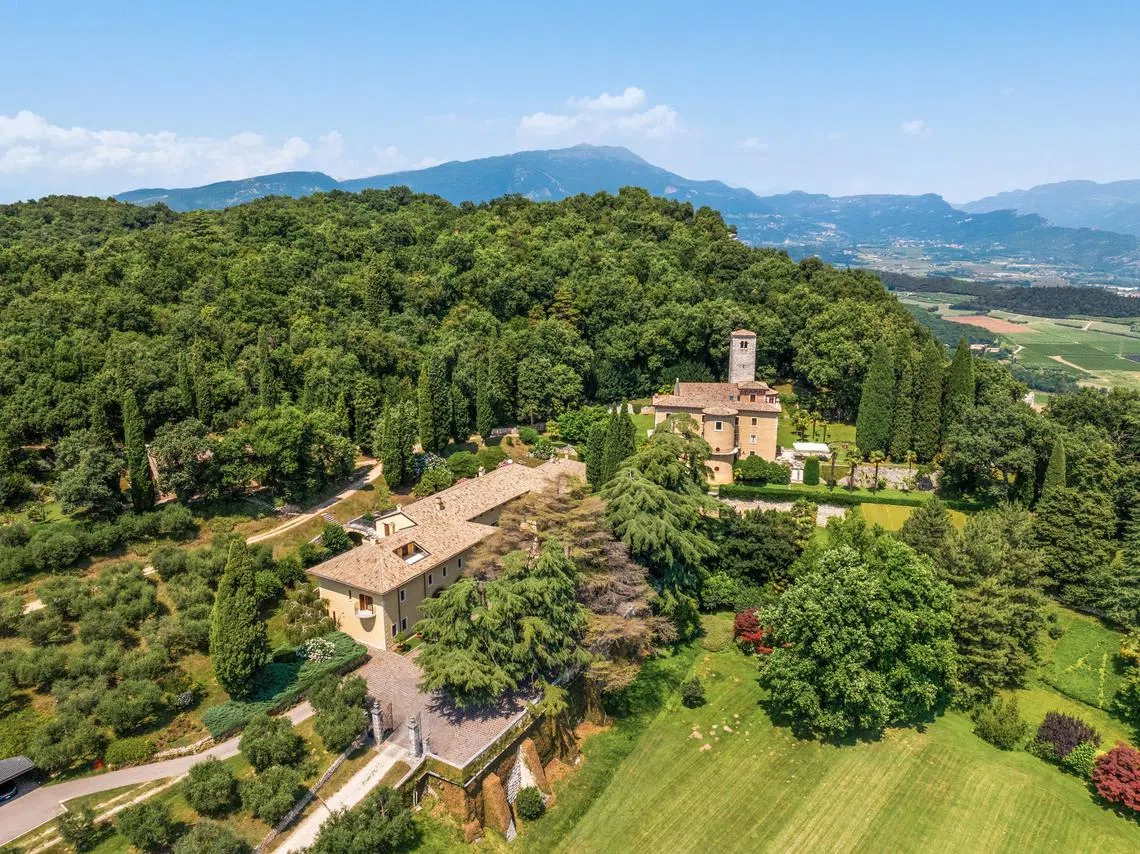
Within the two categories they buy – condominiums and villas – some prefer the lifestyles accompanying ultra-luxury branded residences. That’s because the likes of Aman, Mandarin Oriental and Four Seasons offer homes and privacy with all the benefits of a hotel.
Some buyers who love a specific brand also acquire residences from non-traditional hotel operators such as car and jewellery names, says Twist. Examples include Porsche and Bvlgari.
Obviously, privacy and security are essential, translating into homes that are secluded, discreet and legally shielded.
“Depending on their personal lifestyles, UHNW individuals seek out countryside manors, alpine chalets, waterfront estates or even private islands which offer natural buffers limiting access and visibility,” says Keong.
“In more urban locations like Singapore, they often look for exclusive landed enclaves, especially GCBs, and low-density developments with excellent security, concierges and private lifts and entrances in prime but quiet neighbourhoods.”
Also important are homes designed by renowned architects that age well, perched on elevated positions hidden from public view and surrounded by dense landscaping.
Internal layouts must also be good, offering separate staff quarters and entrance areas.
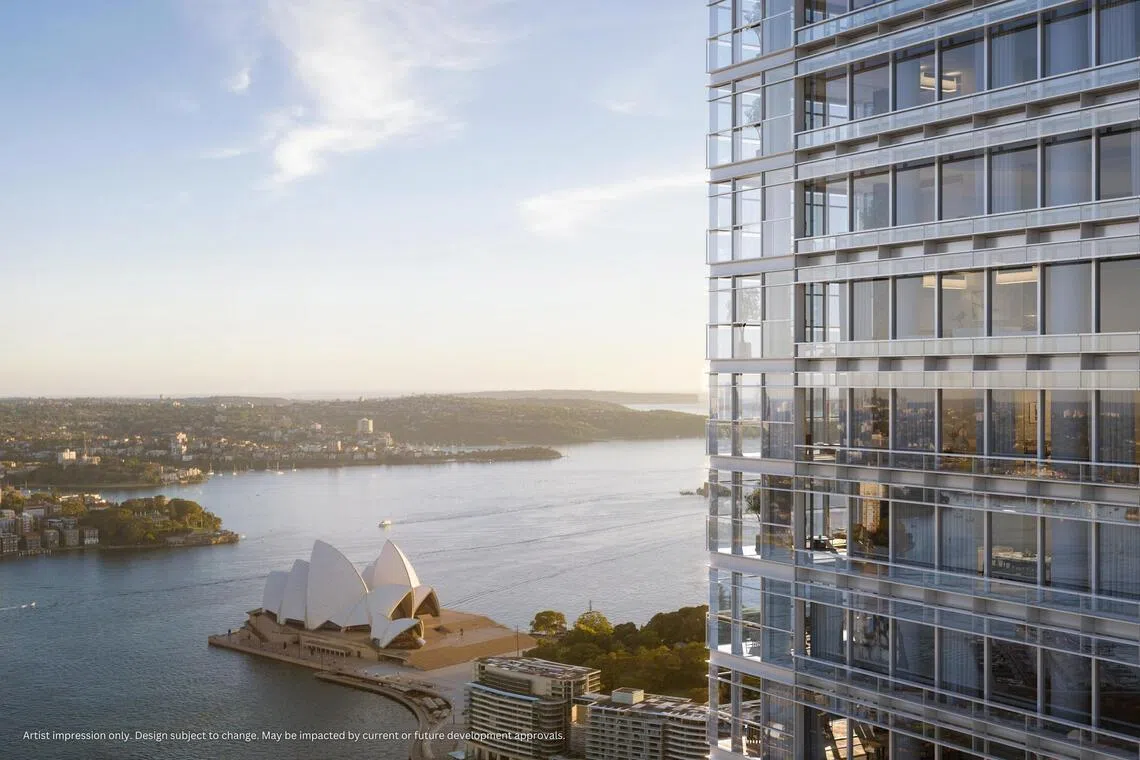
In condominiums, security is a big focal point, with some allowing entry via biometric facial recognition. For penthouses, there may be a private basement car park attached to the unit that can be accessed only by the owner, with exclusive direct lift access to their home.
“Within these super prime or ultra-high-end developments, your car number plate would have to be recognised a few times as you pass two to three gates to get to the basement, with the gate closing behind you to ensure that there’s no access behind,” says Twist.
“You can get to your apartment without being seen by anyone else in the building.”
Alternatively, UHNW individuals buy up all the units on an entire floor, to ensure only their family is on that level. As for landed homes, there is on-site security and owners know who their neighbours are and what the boundary access to their property is.
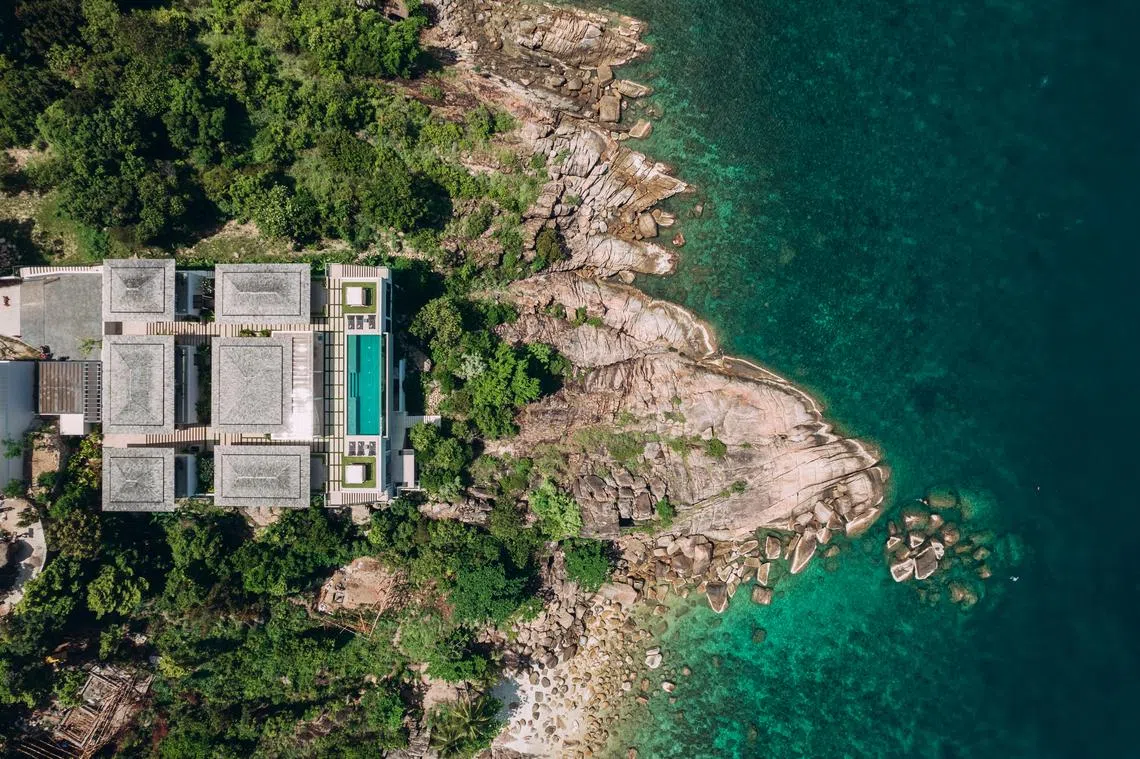
But while they want security, buyers of extremely lavish properties do not necessarily want a semblance of Fort Knox.
“Rather than armed personnel – which I have also seen – they want private chauffeurs with some defensive training,” says Desjardins, noting that resale villas tend to come with a team of staffers in place.
“They would be indistinguishable from anyone else, drive a Toyota rather than a Range Rover, and take the owners’ children to beach clubs and keep an eye on them without drawing attention.”
The deal-breakers
While every property is unique, Keong says the most common deal-breaker is its “fengshui”.
And despite the objective factors that determine if a property is the right one, purchase decisions can still involve psycho-emotional factors.
“It’s the vibes buyers get when they enter a property,” says Desjardins.
“If there’s something going wrong at the entrance, such as the sight of a garbage bag, sound of a dog barking like crazy, or whiff of a bad smell, then they’re just looking at things to justify discarding it. But if everything goes well, then they’re looking for positives.”
Mansions past their prime, with owners who want to exit without doing proper home improvements, are another red flag. After all, the ultra-rich buying overseas homes want something in move-in condition, rather than undertake the risks, costs and delays of a renovation project.
“Ownership of resort properties go through a cycle of 10 to 15 years. That’s the time it takes for people to get excited about it, with the kids, grandparents and business partners visiting. Then, the intensity fades as the children go to school in London or work in New York.”
That’s when owner fatigue sets in, and the property starts to decline and possibly enter the rental pool to cover operational and maintenance costs. By then, it’s no longer a home, nor does it have “the amazing original furniture”.
“The reality is that buyers don’t want to pay US$10 million or US$15 million and have to rip out the old Gaggenau kitchen,” says Desjardins.
And surprisingly, properties with home automation systems are another “massive headache”. “People with money already went through home automation, like, 20 years ago, when it first started,” he adds.
When the technology became obsolete, they were stuck with systems that no longer function. “So no, people want to have something relatively analogue that works.”
Decoding Asia newsletter: your guide to navigating Asia in a new global order. Sign up here to get Decoding Asia newsletter. Delivered to your inbox. Free.
Copyright SPH Media. All rights reserved.
TRENDING NOW

Once staunchly pro-China, Malaysian Chinese businesses are now distancing themselves from Beijing

Looking beyond looming CEO succession, should UOB potentially pursue a transformative merger?

Could stablecoins be the future of money?

Grab CEO’s wife Chloe Tong on life with Anthony Tan and finding her purpose

