



Asean strengthens ties at annual summit; World Bank warns of emerging challenges for region

This week in Asean:
- Vietnam: Trump Organization partners with Kinhbac City for US$1.5 billion golf resort project
- Malaysia: World Bank urges cuts blanket petrol subsidy to achieve budget targets
- Thailand: Government to launch tourism campaign aimed at generating 3.5 trillion baht
Dear BT reader,
Today marks the conclusion of the Asean Summit in Vientiane, Laos, which began on Oct 6. This year’s gathering has centred on pressing regional issues, notably the civil war in Myanmar and escalating tensions in the South China Sea.
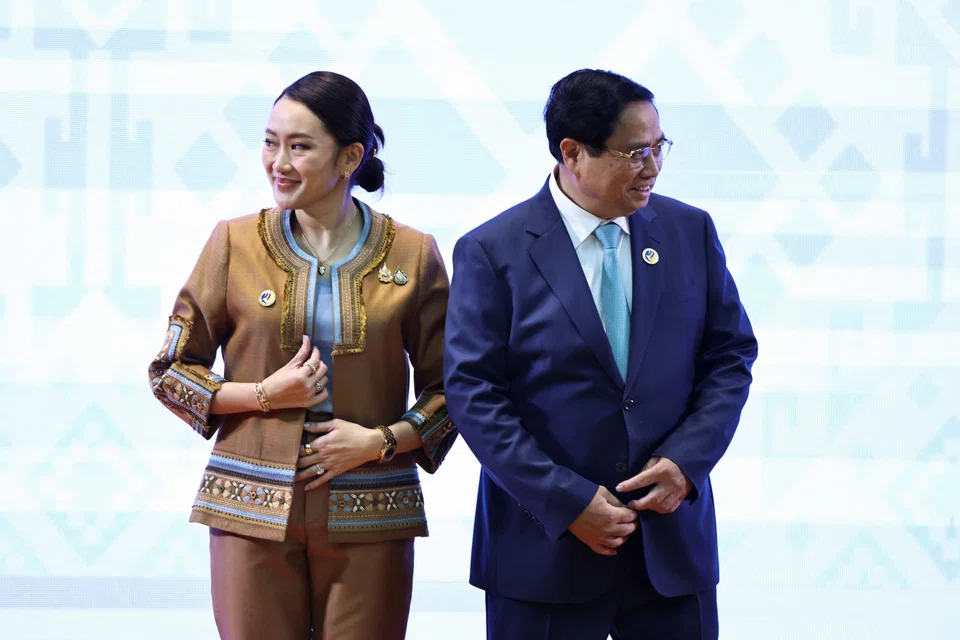
This summit is particularly significant as it welcomes several newly appointed leaders within Asean, including Thailand’s Prime Minister Paetongtarn Shinawatra and Vietnam’s Prime Minister Pham Minh Chinh.
Key agreements emerged, including a commitment between Singapore and Thailand to enhance cooperation across various sectors, such as the economy, tourism, defence and food security, reports BT journalist Goh Ruoxue from Vientiane.
Asean member states and China have also finalised negotiations to enhance their free trade area, focusing on digital and green economies, a move that both sides feel will provide a much needed boost to trade and support international supply chains. Meanwhile, the World Bank’s latest report highlights emerging challenges for South-east Asian economies such as Vietnam, Malaysia and Thailand amidst global supply chain shifts.
Traditionally acting as economic connectors between major trading partners such as China and the US, these nations now face a shrinking role due to more restrictive trade policies.
While these countries have leveraged on Chinese imports to boost US-bound exports, they have not seen similar success with US investments leading to increased exports to China. Tighter rules of origin and export restrictions further limit this role.
The World Bank urged these countries to focus on deeper domestic reforms and form strong trade agreements to sustain long-term growth, as they navigate global trade dynamics.
I hope you have enjoyed this week’s reads. Be sure to explore more stories in the sections below, and see you next Friday!
Trending
What’s going on? South-east Asia’s largest economy is heading for a leadership change with Prabowo Subianto set to be inaugurated as Indonesia’s president on Oct 20.
The 72-year-old faces the tough challenges, including managing a value-added tax hike and reducing fuel subsidies, which may trigger public backlash and inflation while striving for economic growth, writes our Indonesia correspondent Elisa Valenta.
Why it matters? Prabowo is aiming for an ambitious 8 per cent gross domestic product growth during his five-year term. An influential business leader believes this target is achievable but emphasises the need for essential reforms at state-owned enterprises.
Asean in brief
- Indonesia retailers cheer Temu ban as big win in battle to stem tide of cheap imported goods Major players Shopee and Lazada suspended cross-border services in the country following the recent ban. Read more
- Thai consumer confidence falls to 17-month low in September A survey indicates sluggish sentiment stems from concerns over slow economic growth and flooding in the country. Read more
- MMC Port said to be weighing mega Malaysia IPO valued at up to RM7 billion The port operator, owned by Malaysian tycoon Syed Mokhtar Al-Bukhary, manages seven ports along the busy Strait of Malacca. Read more
- Vietnam says it aims to deploy two undersea internet cables, 5G services The strategy also includes ambitions to establish AI data centres and hyperscale data centres by 2030. Read more
- Bank Indonesia intervenes in FX markets after rupiah slump The central bank intervenes in the spot, non-deliverable forwards and bond markets to balance currency supply. Read more
- Thailand eyes 10 trillion baht gas field frozen by Cambodia dispute Prime Minister Paetongtarn Shinawatra has placed the negotiations as one of her administration’s top 10 urgent goals. Read more
- Thailand’s B.Grimm eyes clean power projects in China and Greece The company plans to expand total generation capacity to 10 gigawatts by 2030, up from the current 4 gigawatts. Read more






