

The end of abundance
The decades ahead will be shaped by a contest for natural resources, making the world more prone to stagflation
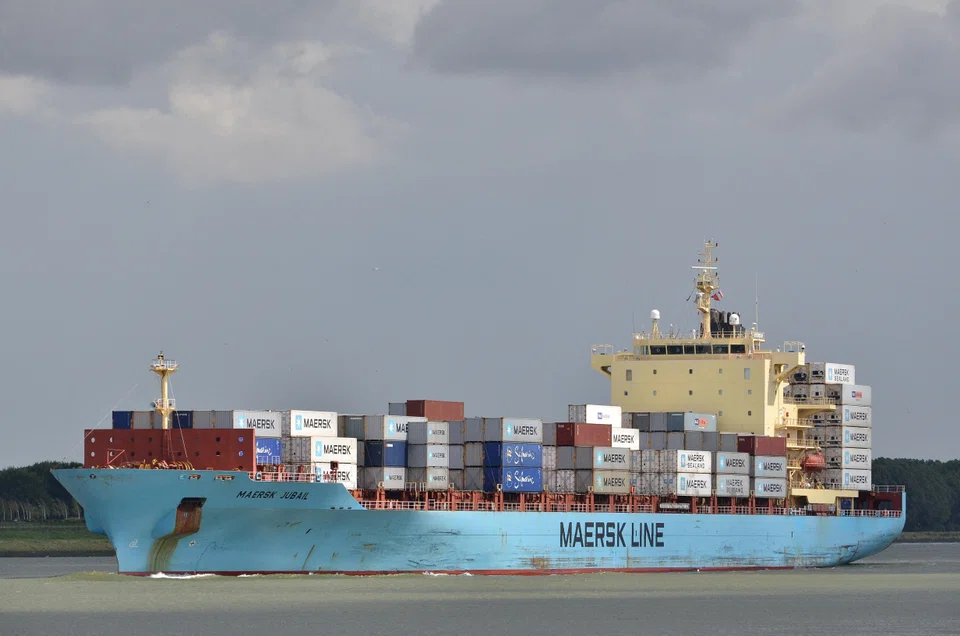
[NEW DELHI] From the early 1980s until the Covid-19 pandemic hit in 2020, the world economy enjoyed unusually good conditions. The Cold War ended, defence budgets shrank and hundreds of millions of workers joined the global market.
Energy and metals were mostly cheap, and supply chains stretched across borders on the assumption that goods would always move freely. Inflation was on a downward trend, owing partly to central banks and partly to the strong tide of peace, globalisation and plentiful supply they were swimming in.
That tide has turned. The decades ahead will be shaped by a geopolitical contest for energy supplies, industrial metals, rare earths, critical minerals and semiconductor chips. Water and food may eventually join the list. The competition will be fierce and, at times, violent.
TRENDING NOW
Keppel Reit to buy 51% stake in Keppel South Central for S$610.9 million

Singapore to use ‘every legal and regulatory lever’ against companies linked to haze: Shanmugam

Mi Material focusing on ‘things that we can control’ as it launches S$215 million SGX IPO

Once staunchly pro-China, Malaysian Chinese businesses are now distancing themselves from Beijing

