Singapore can be a diversified source of supply for countries seeking alternatives: Grace Fu
Shifts in the global trading environment have allowed businesses to capture new areas of growth
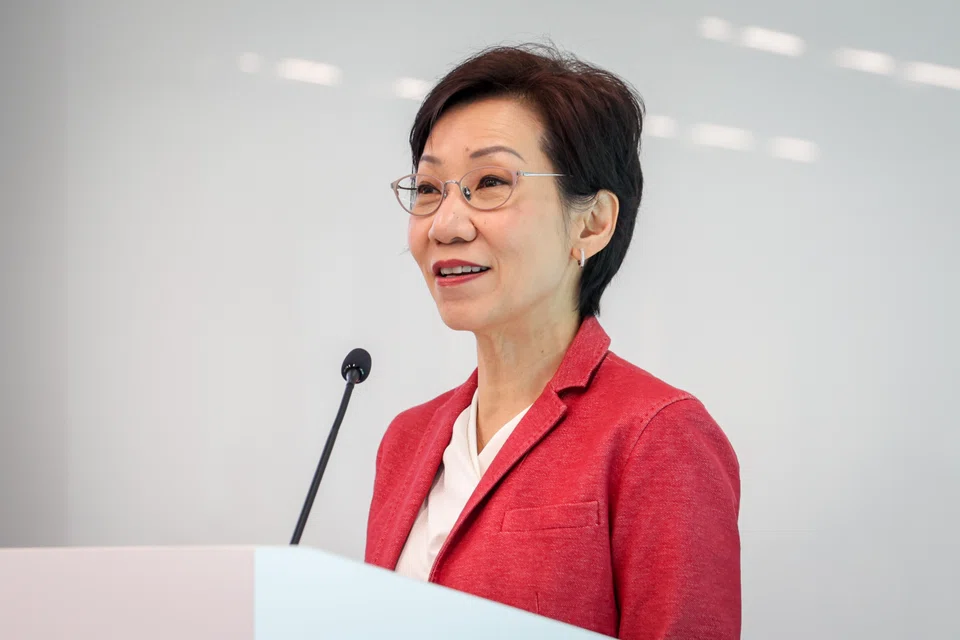
[SINGAPORE] As countries look to diversify their supply chains, Singapore should position itself as a place where international businesses can find alternative sources of supply, said Minister-in-charge of Trade Relations Grace Fu on Wednesday (Sep 30).
“There are countries that are looking for diversification, and Singapore can be that place where they find diversified sources of supply,” she said during a fireside chat at the Singapore Business Federation’s Future of Trade Forum at the Shangri-La Singapore.
The shift works both ways, she noted. Singapore companies have also been exploring new sources of food from Latin America, despite it not being an easy market.
As companies and countries prioritise economic security – moving from “just in time” to “just in case” – Singapore’s search for new food sources represent an opportunity for Latin American suppliers, Fu pointed out.
Singapore also has some advantages in South-east Asia, and should make its rules and processes seamless and low-cost enough that sourcing through the city-state makes sense for others, she said.
More broadly, she urged local businesses to not stay with the status quo, as markets, rules and product flows are shifting.
She encouraged them to join overseas market trips with Enterprise Singapore (EnterpriseSG) and trade associations; make full use of government grants; and tap Singapore’s free trade agreements (FTAs) to lower the cost of international trade.
Opportunities in new markets
Fu, who is also minister for sustainability and the environment, made a similar point in her speech earlier at the forum.
She said that shifts in the global trading environment have created opportunities for businesses to diversify their markets, strengthen their supply chains and capture new areas of growth.
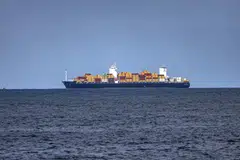
To help businesses seize these opportunities, Singapore will deepen and diversify its own trade partnerships.
For instance, its FTAs with the Pacific Alliance and the Southern Common Market (Mercosur) are already opening new opportunities in Latin America.
Singapore is also negotiating an FTA with Bangladesh and exploring one with the Eastern African community.
These partnerships matter because in times of uncertainty, businesses place a higher premium on clear rules, reliable institutions and trusted partners, added the minister.
Harnessing technology, being future-ready
Deepening and diversifying trade ties is one of three fronts Singapore is focusing on to remain that trusted partner. The other two are harnessing technology to make trade more seamless, and building future-ready workforce capabilities.
On technology, Fu said that artificial intelligence can help businesses navigate increasingly complex trade rules and compliance obligations.
She cited the Singapore Business Federation’s Trade AI Advisor platform, supported by EnterpriseSG, which provides real-time guidance on navigating the Republic’s 29 FTAs.
She also highlighted BizSG, a whole-of-government initiative by the Ministry of Trade and Industry (MTI) and EnterpriseSG that uses emerging technologies to make government support easier to find and use.
Its first offering, the BizSG portal, went live on Wednesday and recommends grants based on a business’ needs and plans. The aim is for BizSG to be a “digital concierge” for small and medium-sized enterprises, said Fu.
On workforce capabilities, she said that Singapore’s foundational value is being a trusted, reliable and resilient place for business.
When disruptions to trade rules force companies to rearrange their supply chains, Singapore is where they will do it, given its infrastructure, processes and shipping connectivity, pointed out the minister.
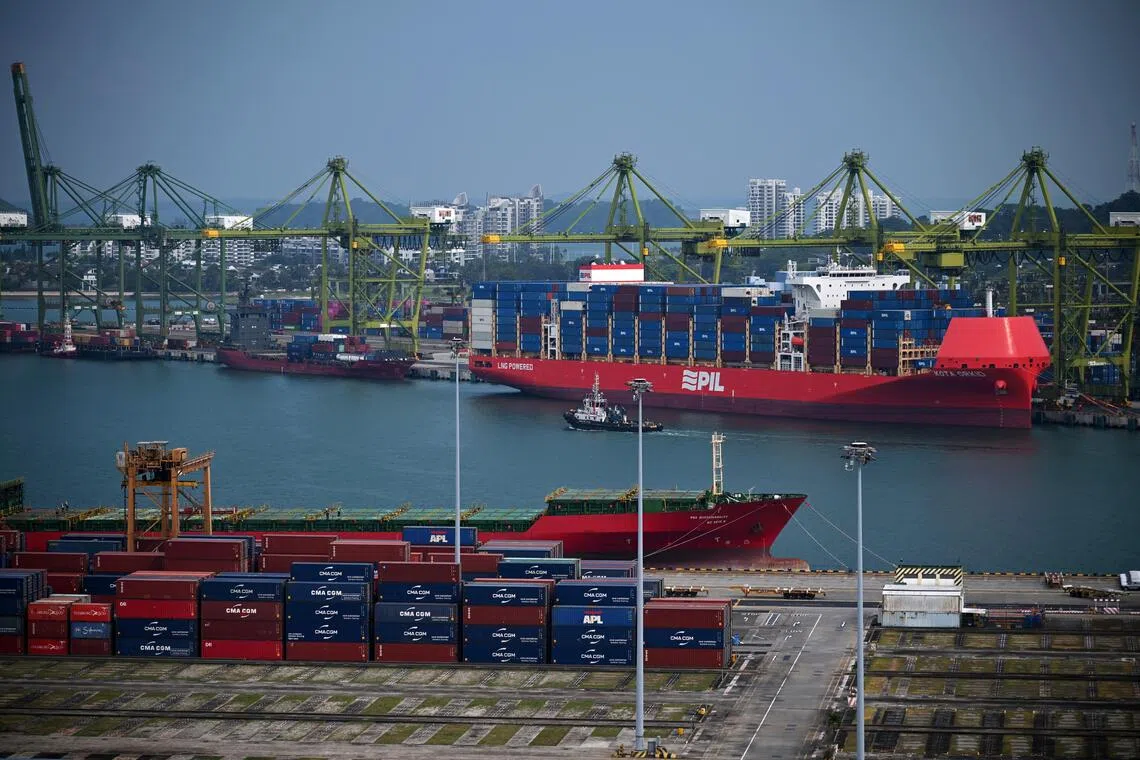
Another area where the Republic can be a trusted partner is in AI, said Fu. Singapore can be a place where AI can be adopted safely, with guardrails that protect users and companies’ data.
AI-related services such as cybersecurity, data policy and auditing could also be growth areas, she added.
With the pull to onshore investments growing stronger, Singapore will focus on sectors where it has deep strengths. This includes semiconductors, advanced manufacturing and healthcare.
The country will also double down on R&D to build ecosystems that give companies reason to stay.
Separately, new digital and green economy agreements are plugging gaps in global trade rules, as World Trade Organization rules do not cover areas such as e-commerce, paperless trade and AI, while environmental considerations are increasingly creeping into trade regulations.
”The work is never done because conditions are changing,” noted Fu, adding that MTI and EnterpriseSG want to hear from businesses on where they face uncertainty.
Decoding Asia newsletter: your guide to navigating Asia in a new global order. Sign up here to get Decoding Asia newsletter. Delivered to your inbox. Free.
Copyright SPH Media. All rights reserved.